How to Fix Slow Wi-Fi After Router Reset
Resetting your router is often the first step to solving internet problems, but sometimes things don’t go as expected. Many users report that their Wi-Fi becomes sluggish after a reset, leaving them frustrated with buffering videos, delayed downloads, or poor connectivity. If you’re wondering why your Wi-Fi is slow after router reset and how to get back the fast internet you expect, you’re in the right place.
Why Wi-Fi Becomes Slow After Router Reset
When a router is reset, it goes back to its default settings. This can lead to misconfigured networks, weak signal coverage, or conflicts with connected devices. Another common reason is that the router firmware may need updating after a reset. Sometimes, the reset may clear saved configurations like channel selections, frequency settings, or custom DNS, forcing your router to use automatic modes that aren’t always optimal. Interference from neighboring networks, outdated devices, or poor placement of your router may also contribute to slow Wi-Fi speeds.
How to Fix Wi-Fi Slow After Router Reset
Improving your Wi-Fi performance after a reset requires a combination of troubleshooting and optimization. Let’s walk through the most effective methods step by step.
Reconfigure Router Settings
After a reset, your router returns to factory settings, which may not be ideal. Log in to your router’s admin panel using the default IP address, usually something like 192.168.1.1. Change the SSID (network name) and set a strong password. Adjust your frequency band: 2.4 GHz offers wider coverage but slower speeds, while 5 GHz offers faster speeds over shorter distances. Setting the right channel manually instead of automatic can also reduce interference from nearby networks.
Update Router Firmware
Firmware is the software that runs your router, and outdated firmware can cause sluggish performance. Visit your router manufacturer’s website or check within the admin panel to see if updates are available. Installing the latest firmware often improves security, stability, and speed.
Optimize Router Placement
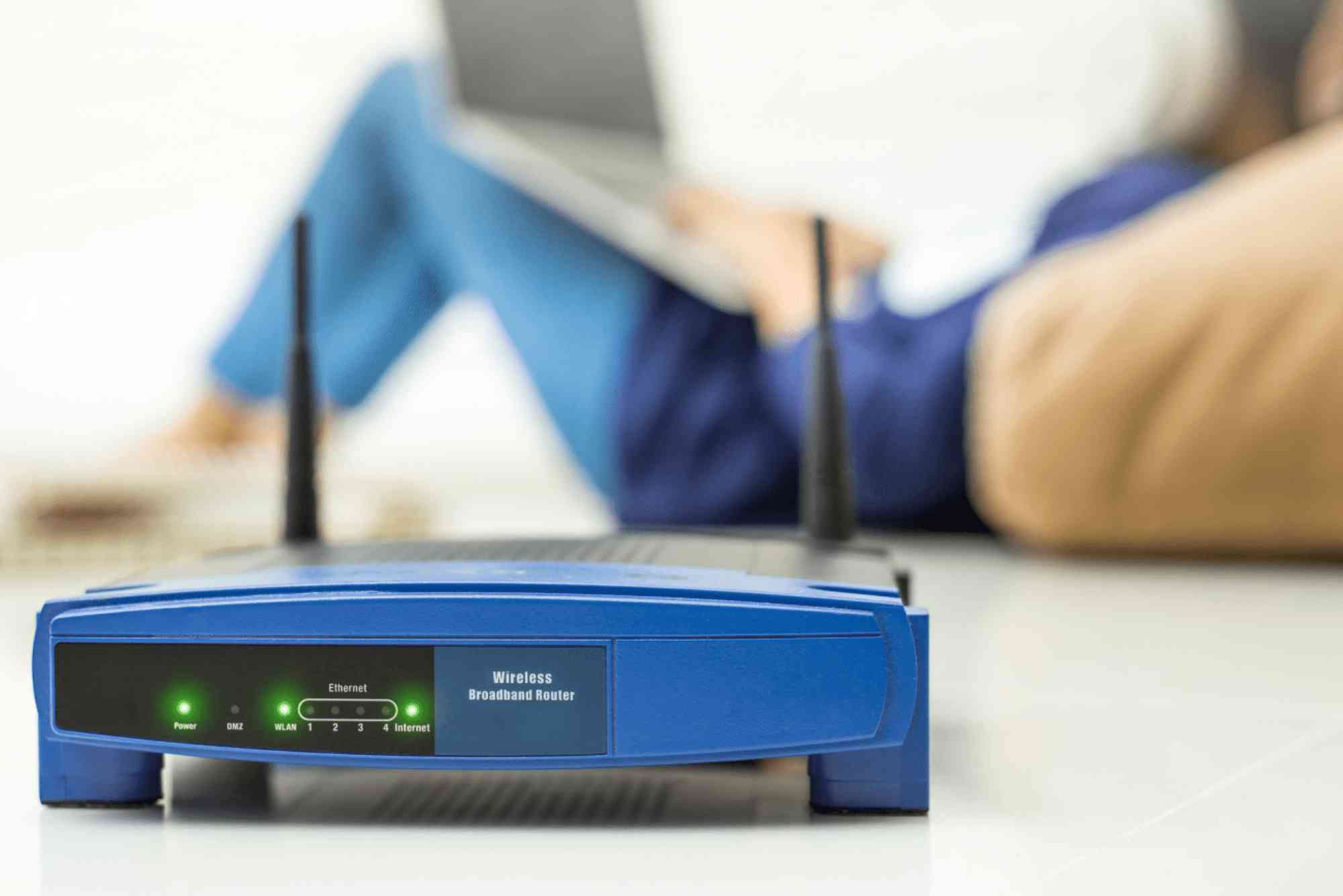
Router placement plays a huge role in Wi-Fi speed. Place your router in a central location, away from walls and electronic devices that cause interference. Avoid keeping it near microwaves, cordless phones, or metal surfaces. Elevating the router slightly above ground level also helps in distributing the signal more evenly across your home.
Check Device Compatibility
Sometimes the issue is not with the router but with the devices connected to it. Older laptops, phones, or smart TVs may not support higher speed protocols like Wi-Fi 5 or Wi-Fi 6. If your device only connects to the 2.4 GHz band, speeds will naturally be slower. Upgrading devices or ensuring they support modern Wi-Fi standards can significantly improve performance.
Restart Devices and Network
After a router reset, your devices may still be holding onto old configurations. Restart your computer, smartphone, or smart home devices to establish a fresh connection. Power cycling the modem and router together can also resolve synchronization issues with your internet service provider.
Adjust DNS Settings
Routers often revert to default DNS settings after a reset, which may not be the fastest option. Switching to a public DNS like Google DNS (8.8.8.8 and 8.8.4.4) or Cloudflare (1.1.1.1) can speed up browsing and reduce latency. These settings can be changed either in your router’s admin panel or on individual devices.
Check for Bandwidth Hogs
If Wi-Fi is slow after router reset, it could be due to background apps or devices consuming bandwidth. Streaming, gaming, and large downloads can choke your network, especially if multiple users are active at once. Use the router’s Quality of Service (QoS) settings to prioritize certain activities like video calls or work-related tasks over others.
Secure Your Network
An unsecured network can attract unauthorized users, slowing down your Wi-Fi. Always enable WPA3 or WPA2 encryption and avoid leaving your network open. After a reset, check your connected devices list to ensure only your devices are using your bandwidth.
Contact Your ISP
Sometimes the issue lies beyond your home network. If you’ve tried all the above fixes and your Wi-Fi remains slow, contact your internet service provider. They can run diagnostics, check for outages, or upgrade your plan if necessary. Local providers like Dhanote Internet Services offer fast and reliable connections with customer support that can help troubleshoot persistent speed issues.
Advanced Tips for Faster Wi-Fi
For those who want to go the extra mile in ensuring top-notch Wi-Fi speeds, here are additional techniques.
Use a Mesh Wi-Fi System
If you have a large house or multiple floors, one router may not be enough. Mesh systems use multiple access points to blanket your home with consistent coverage. This eliminates dead zones and ensures faster connections throughout your space.
Limit Connected Devices
Every device connected to your network consumes bandwidth, even when idle. Smart home devices like cameras, thermostats, or speakers can strain your Wi-Fi. Disconnect unused devices or consider upgrading to a higher bandwidth plan if your household has many active connections.
Monitor for Interference
Your Wi-Fi signal may compete with nearby networks or devices using similar frequencies. Use Wi-Fi analyzer apps to scan your environment and choose the least crowded channel for your router. This can instantly boost speeds by reducing interference.
Enable MU-MIMO Technology
Modern routers come with MU-MIMO (Multi-User, Multiple Input, Multiple Output) technology that allows simultaneous data streams to multiple devices. Ensure this feature is enabled for smoother connectivity when multiple users are online.
Consider Wired Connections
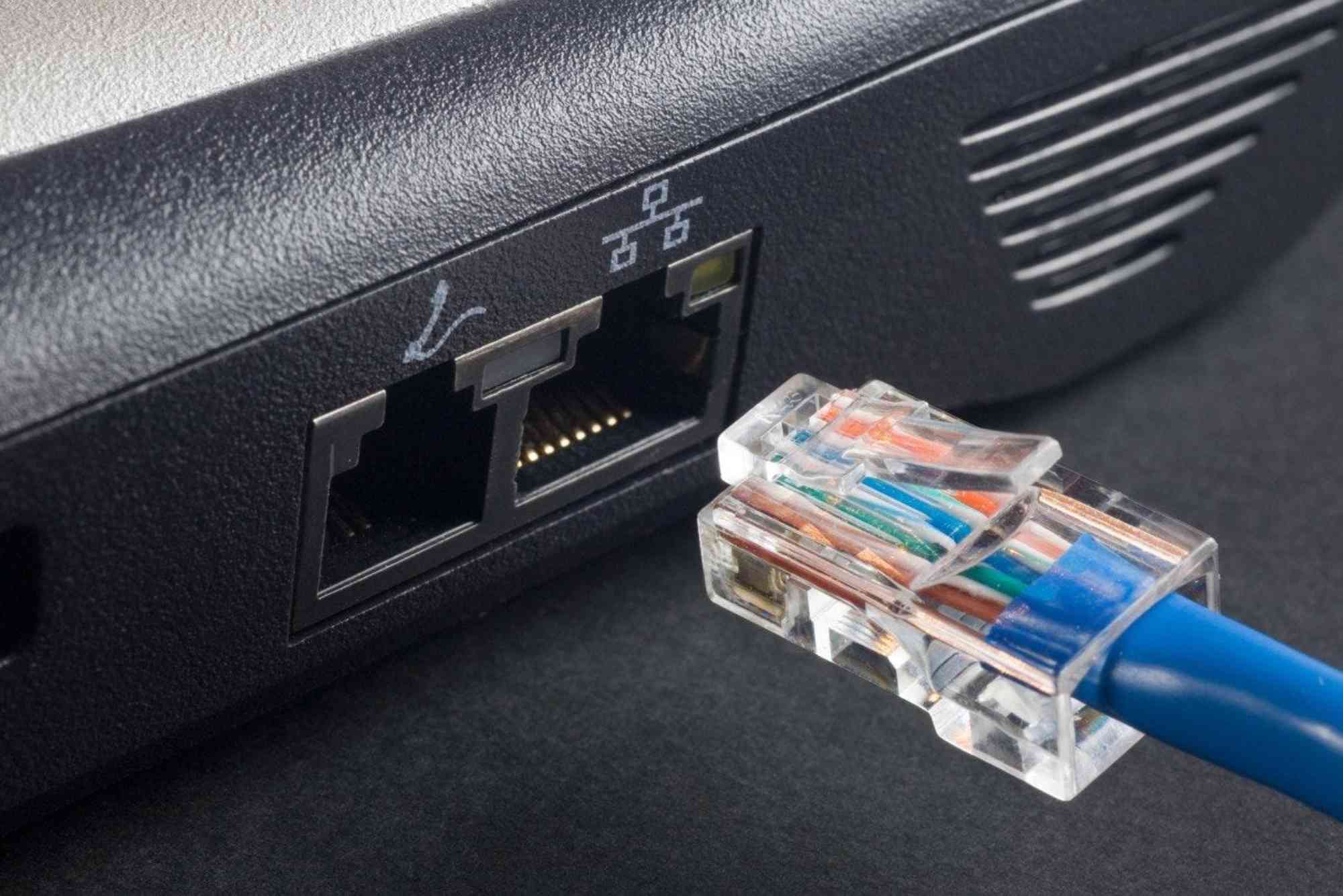
For activities that require stability and speed, such as gaming or video conferencing, a wired Ethernet connection is still the best option. Connecting a few critical devices directly to your router frees up wireless bandwidth for other devices.
Get Back to Fast, Reliable Wi-Fi
Experiencing Wi-Fi slow after router reset can be frustrating, but the good news is that most issues are fixable with proper adjustments. From updating firmware and optimizing placement to changing DNS settings and securing your network, these steps will help restore fast, stable internet. If problems persist, consider upgrading your equipment or reaching out to professionals like Dhanote Internet Services for expert solutions tailored to your needs. Don’t settle for slow Wi-Fi—take action today and enjoy the smooth browsing, streaming, and gaming experience you deserve.
FAQs
Why does Wi-Fi get worse after resetting the router?
Resetting removes custom settings like channels, DNS, or frequency bands. The router defaults may not be optimal, leading to slower speeds.
How long does it take for Wi-Fi to stabilize after a reset?
Usually, Wi-Fi should stabilize within a few minutes, but it may take up to 24 hours for ISPs to re-sync fully.
Can resetting a router improve speed?
Yes, in many cases, a reset clears memory and resolves temporary glitches, improving performance. But it can also slow things down if reconfiguration is skipped.
Should I use 2.4 GHz or 5 GHz after reset?
Use 2.4 GHz for wider coverage and 5 GHz for faster speeds in shorter range. Ideally, enable both and let devices choose automatically.
What if none of these fixes work?
If Wi-Fi remains slow after router reset, the problem may be with your ISP, outdated hardware, or line issues. Contact your provider for further help.