Introduction
A reliable Wi-Fi connection is essential in today’s digital world. However, dead zones and weak signals can cause frustration, especially in larger homes or offices. This is where Wi-Fi range extenders play a vital role. They amplify your existing network, ensuring broader coverage. Yet, just like any tech device, extenders sometimes experience problems. That’s where a Wi-Fi range extender troubleshooting guide comes in handy.
In this detailed article, we’ll explore the most common issues with Wi-Fi range extenders, their causes, and step-by-step solutions. Whether your extender refuses to connect, shows odd light indicators, or delivers poor performance, this guide will help you restore seamless connectivity.
Why You May Need a Wi-Fi Range Extender Troubleshooting Guide
Wi-Fi extenders are designed to boost coverage, but they can face interruptions due to firmware glitches, placement errors, interference, or outdated settings. Without proper troubleshooting, you might end up with slow speeds, dropped connections, or devices that won’t connect at all. Understanding how to fix these problems saves both time and money.
Common Issues With Wi-Fi Range Extenders
Connectivity Problems
Sometimes the extender fails to connect to your router. This may happen due to incorrect setup, wrong password, or outdated firmware.
Blinking or Solid Indicator Lights
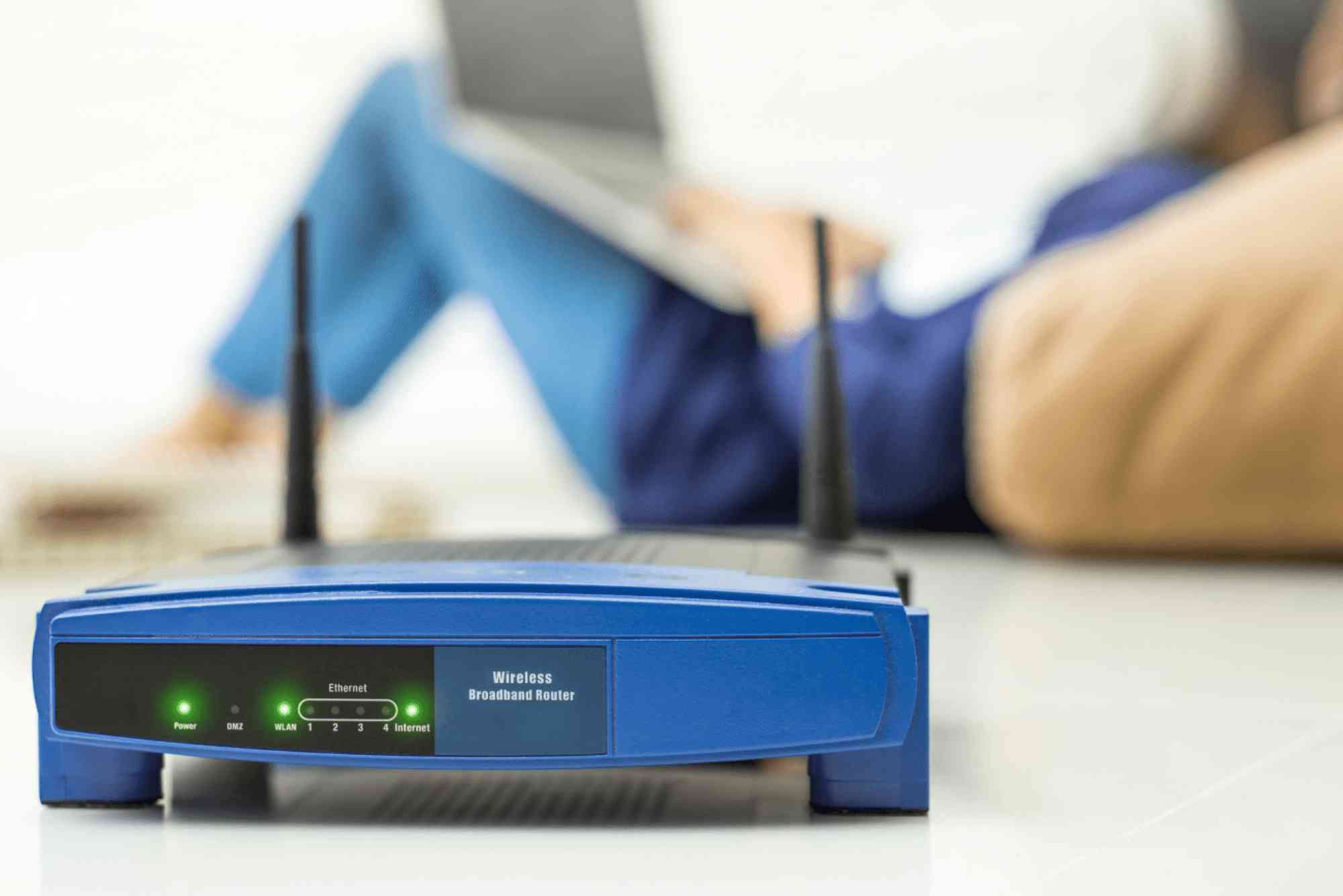
Indicator lights signal extender health. A blinking orange or red light often means poor connectivity, while green or blue usually indicates strong signals.
Weak Signal Strength
Even after setup, you may notice slow internet speeds. This often results from poor placement or interference from walls, microwaves, and electronic devices.
Device Compatibility Issues
Some devices, especially older ones, may struggle to connect if the extender uses different frequency bands (2.4 GHz vs. 5 GHz).
Slow Internet Speeds
Extenders can sometimes deliver slower speeds than expected. This could be due to bandwidth division or interference in the signal path.
Step-by-Step Wi-Fi Range Extender Troubleshooting Guide
Check Power and Cables
Ensure your extender is properly plugged in. A loose cable or weak power supply can prevent it from working.
Verify Placement
The extender should be halfway between your router and the weak signal zone. Avoid placing it near metal objects, microwaves, or cordless phones.
Restart the Extender and Router
Restarting often fixes temporary glitches. Turn both devices off, wait for 30 seconds, and turn them back on.
Reconnect to the Router
If the extender isn’t connecting, re-run the setup process. Double-check the Wi-Fi password entered is correct.
Update Firmware
Manufacturers regularly release updates to fix bugs and improve performance. Check the extender’s admin panel and install the latest firmware.
Reset the Extender
If troubleshooting doesn’t work, reset the extender to factory settings. Then, configure it again using the WPS button or web-based setup.
Reduce Interference
Keep the extender away from walls, large appliances, or Bluetooth devices that may disrupt the signal.
Switch Frequency Bands
If the extender supports dual-band Wi-Fi, connect to the 5 GHz network for faster speeds or the 2.4 GHz band for longer range.
Test Internet Speeds
Use online speed tests to compare performance with and without the extender. This helps identify whether the extender is improving coverage.
Advanced Troubleshooting Tips
Assign a Static IP
In some cases, setting a static IP address prevents connection drops and improves stability.
Change the Wi-Fi Channel
Routers and extenders often share crowded channels. Switching to a less congested one can improve signal quality.
Use Ethernet Backhaul
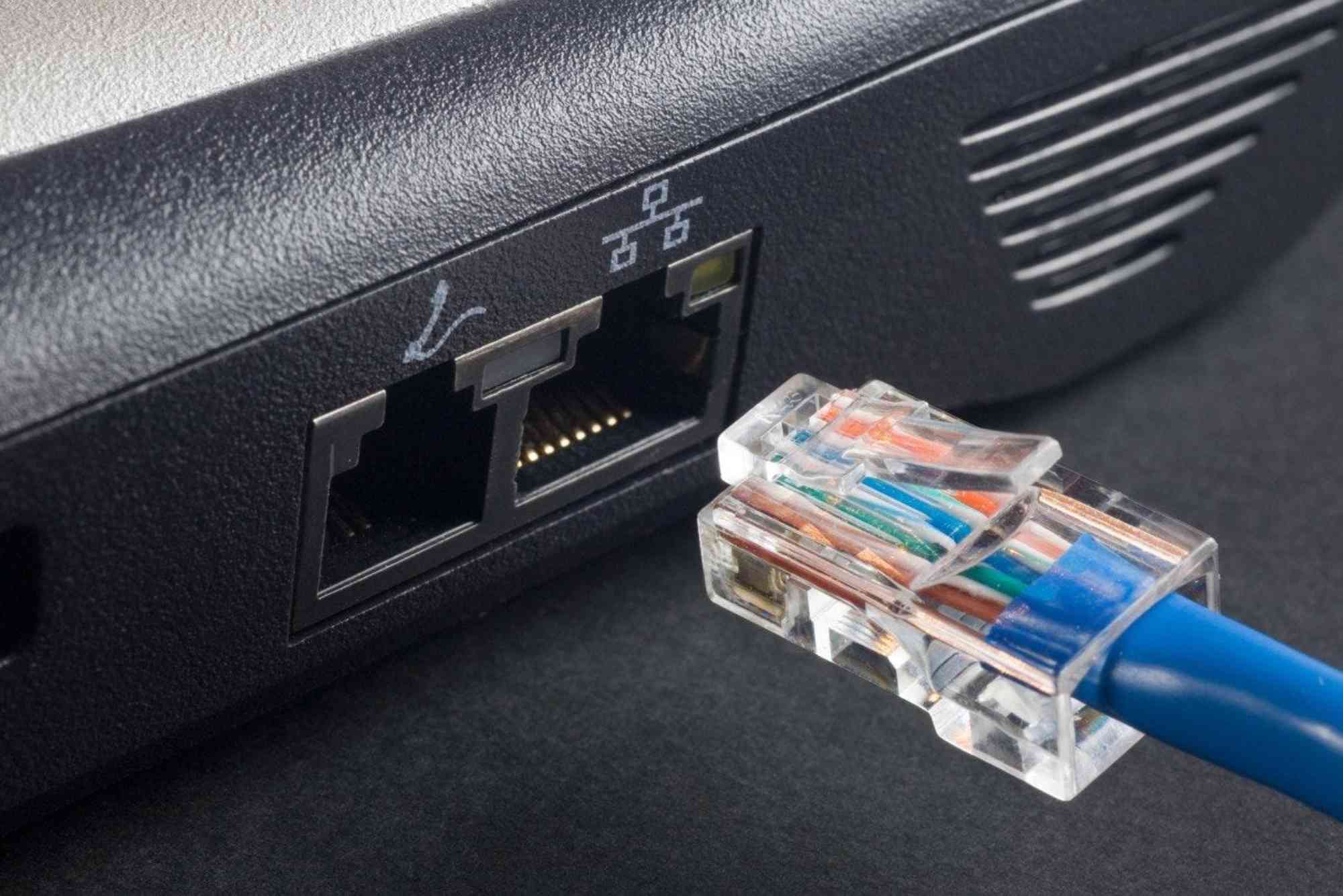
If your extender supports Ethernet, connect it directly to the router. This ensures maximum speed and reduces interference.
Check for Firmware Conflicts
If you’re using both a router and extender from different brands, compatibility issues may occur. Updating both devices usually helps.
Contact ISP Support
Sometimes the issue isn’t with your extender, but with your internet provider. For example, companies like Dhanote Internet Services provide troubleshooting support to help ensure your connection stays reliable.
Best Practices to Avoid Extender Problems
Keep Devices Updated
Always keep your router and extender firmware up to date.
Use Strong Passwords
Prevent unauthorized users from slowing down your network.
Limit Connected Devices
Too many devices connected to an extender can strain bandwidth.
Consider Mesh Wi-Fi
For large homes or offices, a mesh Wi-Fi system may work better than traditional extenders.
FAQs
Why does my Wi-Fi extender keep disconnecting?
This often happens due to poor placement, signal interference, or outdated firmware. Repositioning and updating usually fix the issue.
How do I know if my Wi-Fi extender is working?
Check the signal indicator lights. If your devices connect seamlessly in previously weak zones, the extender is functioning properly.
Why is my Wi-Fi extender showing a red light?
A red or orange light typically means poor connectivity to the router. Try moving the extender closer or resetting it.
Do Wi-Fi extenders reduce internet speed?
Yes, extenders may cut speeds in half because they relay signals. However, proper placement and configuration minimize this effect.
What is better, a Wi-Fi extender or a mesh system?
Extenders are affordable and good for small fixes. Mesh systems are better for large homes needing seamless coverage.
Wi-Fi range extenders are useful for eliminating dead zones, but occasional issues are inevitable. With this Wi-Fi range extender troubleshooting guide, you can resolve common problems like connectivity errors, weak signals, or slow speeds. By following best practices such as proper placement, regular updates, and minimizing interference, you ensure smoother and more reliable internet performance.