Ways to Boost Mesh Wi-Fi Range: Complete Expert Guide
Improving whole-home wireless coverage matters more than ever as homes rely on multiple devices. Many users struggle with weak zones, buffering, or inconsistent signals even after installing a mesh network. This guide explains practical, real-world ways to boost mesh Wi-Fi range using setup improvements, hardware tuning, and environment optimization. These strategies work with popular systems like Google Nest Wi-Fi, TP-Link Deco, ASUS ZenWiFi, and others.
Whether you want smoother streaming or better stability in distant rooms, this guide will help you enhance coverage without unnecessary upgrades. These steps come from real setup experience and common troubleshooting patterns most users face when deploying mesh systems in homes and offices.
Understanding Why Mesh Wi-Fi Range Drops
Every mesh system has strengths, but performance depends heavily on placement, interference, and the quality of the backhaul between nodes. Many homes have thick walls, metal structures, or electrical interference sources that weaken signals. Some mesh setups also lose efficiency when too many devices join, especially if nodes are placed incorrectly.
Knowing these issues helps you apply ways to boost mesh Wi-Fi range more effectively. Small adjustments can often deliver surprisingly big improvements.
Optimize Node Placement for Maximum Coverage
Node placement is the biggest factor in mesh network performance. Many users place nodes too far apart or too close together.
Place Nodes in Open Areas
Keep each node in an open, elevated position. Avoid hidden corners or low shelves.
Avoid Obstructions
Walls, appliances, and doors reduce signal strength. Move nodes away from:
Large metal furniture
Microwave ovens
Aquariums
Refrigerators
Keep Nodes 25–35 Feet Apart
Spacing nodes too far reduces backhaul quality, while placing them too close narrows coverage. The sweet spot is often around 25 to 35 feet indoors.
Use Mobile App Signal Tests
Most mesh systems include signal tools. Test the link between nodes and adjust until you see a “strong” or “excellent” rating.
Optimized placement alone can improve Wi-Fi coverage by 20–40% in many homes.
Enhance Backhaul Strength for Better Range
The system’s backhaul is the connection between nodes. A weak backhaul reduces your total range and performance.
Use Wired Ethernet Backhaul When Possible
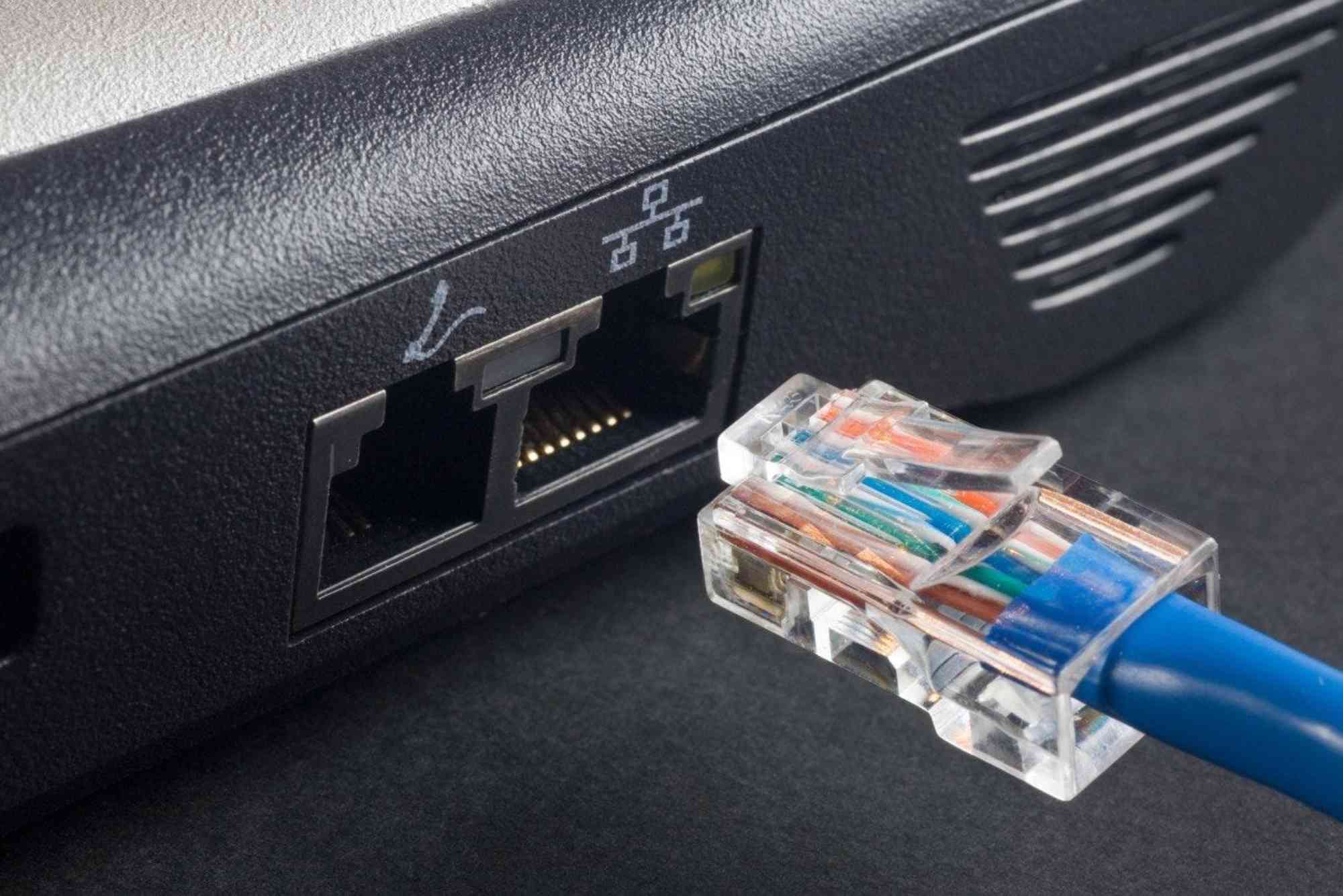
This is the most reliable method. Connecting each node with Ethernet gives full bandwidth and excellent stability.
If running cables is a challenge, local providers such as Dhanote Internet Services can offer setup help:
Avoid Obstacles Between Nodes
Try to maintain a clear path between nodes whenever possible.
Choose a Dual- or Tri-Band Mesh System
Tri-band systems include a dedicated 5 GHz band for backhaul. This helps boost mesh Wi-Fi range significantly, especially in larger or multi-story homes.
Optimize Router and Node Settings
Many mesh systems include optional settings to enhance performance. These can help extend range and reduce congestion.
Enable Band Steering
Band steering moves devices automatically to the best band. This prevents 2.4 GHz crowding and improves coverage.
Enable Fast Roaming
This lets devices switch smoothly between nodes. It’s helpful in homes with many mobile users.
Use Channel Optimization Tools
Most mesh apps include auto-channel selection. Turning this on reduces interference from nearby networks.
Separate 2.4 GHz Only When Needed
Some smart devices require 2.4 GHz. Creating a temporary 2.4 GHz network helps setup without weakening entire network performance.
Reduce Interference to Improve Signal Strength
Interference is a silent killer of Wi-Fi range. It weakens both speed and coverage.
Keep Mesh Nodes Away From Electronic Devices
Avoid placing nodes near:
TVs
Bluetooth speakers
Baby monitors
Cordless phones
Switch to Less Crowded Channels
Use your mesh app or a Wi-Fi analyzer tool to identify congested channels.
Limit Microwave Interference
Microwaves leak 2.4 GHz interference. Try to keep nodes several feet away from them.
These simple changes can noticeably boost mesh Wi-Fi range in crowded environments.
Upgrade Antennas or Add Additional Nodes
Sometimes coverage issues occur because the home layout is challenging. Large homes, basements, and multi-level structures may require extra nodes.
Add Another Mesh Point
A fourth or fifth node can improve coverage in long hallways or distant rooms.
Use High-Gain External Antennas (If Supported)
Some advanced routers allow antenna upgrades for extended reach.
Avoid Mixing Old and New Mesh Models
Mixing generations can reduce performance. Keep nodes from the same series when expanding your network.
Optimize Your Home Layout for Better Wi-Fi Flow
Your home’s physical structure plays a big role in Wi-Fi performance.
Avoid Thick Brick or Concrete Walls
If unavoidable, place nodes near doorways or staircases to route signals more easily.
Use Central Pathways
Hallways and open rooms are ideal for node placement.
Elevate Nodes Above Furniture
Height helps signals travel further. Bookshelves or wall mounts work well.
Use Quality Internet Service for Best Performance
No mesh system can perform well with unstable or slow internet. Local ISPs that offer reliable speeds make a big difference.
For users in supported regions, Dhanote Internet Services provides stable connectivity suitable for mesh networks.
Maintain Your Mesh System for Long-Term Performance
Just like any tech device, mesh systems need maintenance.
Update Firmware Regularly
Manufacturers release updates that improve range, stability, and security.
Restart Nodes Occasionally
A quick reboot clears cached issues that may slow performance.
Replace Outdated Hardware
Older Wi-Fi 4 or Wi-Fi 5 systems may struggle with modern devices. Upgrading to Wi-Fi 6 or Wi-Fi 7 can significantly boost mesh Wi-Fi range.
Check for Device Overload
Too many connected devices can slow your network.
Disconnect Unused Devices
Idle devices still consume bandwidth and airtime.
Use Guest Networks
Guest networks help separate heavy-use devices from your main network.
Limit IoT Device Clutter
Some smart home devices are noisy on 2.4 GHz. Keep their number reasonable or consider wired alternatives.
Use Mesh-Compatible Extenders or Outdoor Nodes
Homes with large yards or outdoor areas need specialized equipment.
Outdoor Mesh Nodes
These extend coverage to gardens, patios, or garages.
Avoid Regular Indoor Extenders
Mixing extenders with mesh systems often creates double NAT issues or speed loss.
Leverage App Tools for Fine-Tuning
Your mesh app has diagnostics that help you find weaknesses.
Test Device Signal Strength
Move nodes if too many devices show “weak” or “fair” strength.
Monitor Network Load
Check which devices consume the most bandwidth.
Use Health Checks
Many apps provide automated suggestions based on your environment.
FAQs
Why is my mesh Wi-Fi signal weak in some rooms?
Weak signals usually come from bad node placement, thick walls, or interference. Moving nodes to open areas and reducing obstacles can help.
How far apart should mesh Wi-Fi nodes be?
Most homes perform best when nodes are 25–35 feet apart. This distance keeps backhaul strong while extending coverage.
Does adding more mesh nodes improve range?
Yes, extra nodes can increase range if placed correctly. Each node expands coverage, but too many can cause overlap or congestion.
Is Ethernet backhaul better than wireless?
Yes, Ethernet backhaul offers faster and more stable connections. It boosts mesh Wi-Fi range by freeing wireless bands for client devices.
Can mesh Wi-Fi reach outside?
Mesh Wi-Fi can cover outdoor spaces with outdoor-rated nodes. Indoor nodes work too, but thick walls may reduce coverage.
You now know the most reliable ways to boost mesh Wi-Fi range using placement improvements, interference reduction, router settings, and backhaul upgrades. Most of these techniques cost little or nothing, yet they can transform weak areas into fast, stable zones.