Introduction
Mobile hotspot overheating issues are becoming increasingly common as people rely on their smartphones for remote work, streaming, online classes, and travel. When your hotspot overheats, your connection slows, your device becomes uncomfortable to touch, and in severe situations, your phone may shut down. Because mobile hotspots create constant data and radioactivity, they naturally generate more heat than normal use. Fortunately, there are practical, proven methods to cool down your device and prevent overheating from happening again.
This guide explains why mobile hotspot overheating issues happen, how to fix them, and how to keep your phone running safely during heavy hotspot use. With real troubleshooting steps, user-friendly explanations, and best practices grounded in personal experience, this article helps you regain stable connectivity without frustration.
Understanding Why Mobile Hotspot Overheating Happens
The first step in solving any problem is understanding the cause. Mobile hotspot overheating issues tend to appear when your phone is pushed beyond its intended thermal limits. When your device is forced to manage multiple demanding tasks at once, the internal components struggle to stay cool. You may notice the phone getting warm near the battery, camera, or center frame. These areas host components that heat up quickly under stress.
It is important to recognize that mobile hotspots behave like miniature routers. Your phone continually communicates with nearby networks while simultaneously transmitting a Wi-Fi signal to connected devices. When this process continues for long periods, internal heat naturally builds. Users often assume their device is damaged, but in most cases, the overheating is temporary and manageable.
How Your Environment Affects Overheating
The physical environment plays a major role in mobile hotspot overheating issues. When you leave your device in a parked car, place it on a soft surface like a blanket, or expose it to direct sunlight, excess thermal energy becomes trapped. Even small temperature increases can push your phone into an overheating cycle.
Warm weather, humidity, and poor airflow drastically worsen the situation. The device cannot dissipate heat efficiently, especially when used as a hotspot. You may notice the phone dimming its screen, slowing performance, or displaying temperature warnings. These symptoms indicate the phone is protecting its internal hardware from damage.
Why Network Conditions Matter
Poor network signals also contribute to overheating. When your phone struggles to maintain a stable connection, it increases power output to reach the nearest cell tower. This surge in activity generates extra heat. Mobile hotspot overheating issues become noticeable in areas with weak LTE or 5G coverage. The device works harder, drains faster, and heats up rapidly.
You can sometimes predict overheating by checking your signal strength. If you see only one or two bars, your phone is already under pressure. High data users such as remote workers or students often experience the worst overheating symptoms in low-signal environments.
The Role of Battery Health and Age
As your smartphone ages, its battery and internal hardware lose efficiency. Older batteries produce more heat during charging and heavy use. Because hotspot features demand significant power, the phone warms much faster when the battery is no longer performing at peak capacity. You might notice the device overheating even during mild hotspot use. This is a clear sign of battery fatigue rather than network or environmental issues.
Battery health declines naturally over time, but poor charging habits, cheap cables, and overnight charging accelerate the damage. If your device overheats frequently or shuts down unexpectedly, replacing the battery may resolve the issue permanently.
How Apps and Background Activity Increase Heat Buildup
Most users forget that apps running in the background continue to consume energy. When using the mobile hotspot feature, your device is already pulling considerable power. If apps like gaming, video editing, location services, or social media run simultaneously, heat increases dramatically. These apps occupy CPU and RAM resources, leaving less room for efficient hotspot management. Eventually, the device becomes trapped in an overheating cycle.
You can reduce heat significantly by closing all nonessential apps before enabling the hotspot. This simple action immediately reduces CPU load and improves thermal performance.
Practical Fixes for Mobile Hotspot Overheating Issues
When your device becomes too warm during hotspot use, the first priority is cooling it down. You can begin by moving the device to a cooler environment with adequate airflow. A desk, solid surface, or shaded area helps the heat escape more effectively. You should avoid placing your phone on carpets, beds, or couches, as these surfaces trap heat.
Another practical method involves turning off noncritical features. Disable Bluetooth, GPS, background refresh, and any system process you are not actively using. This reduces the phone’s internal workload and slows heat generation. If your device continues to overheat, switching to airplane mode for a minute can help reset the connection and release thermal pressure.
Charging your phone while using it as a hotspot is one of the most common triggers for extreme heat. Whenever possible, avoid charging and hotspot usage at the same time. If charging is necessary, use a slow charger instead of fast charging options, as rapid charging creates additional heat.
Using a Secondary Device to Reduce Heat
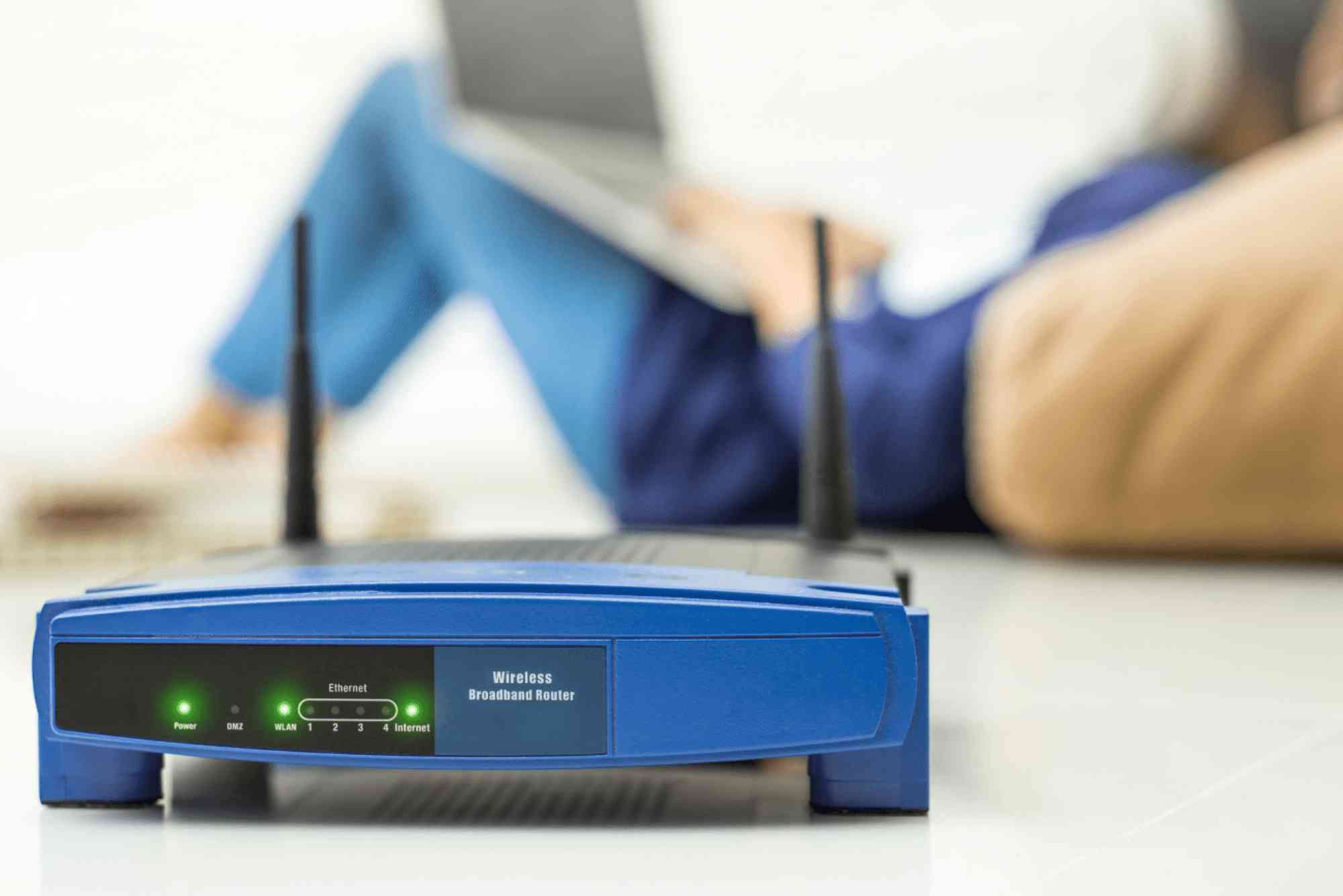
If you frequently rely on mobile hotspots for work or travel, consider using a portable travel router or a dedicated hotspot device. These tools are designed to handle continuous data connections without overheating as quickly as smartphones. By shifting the workload away from your phone, you dramatically reduce the heat produced.
Many users discover that their mobile hotspot overheating issues disappear entirely when the burden is shared between multiple devices. Not everyone needs an extra device, but heavy users often benefit from this approach.
Why Firmware and Software Updates Matter
Outdated software can cause overheating because of unoptimized processes running behind the scenes. Phone manufacturers regularly release updates to improve battery management, thermal stability, and network efficiency. These updates play a significant role in reducing hotspot heat.
If your phone has not been updated recently, install the latest firmware for better temperature control. Newly optimized algorithms ensure your device handles multitasking more intelligently. This small step often produces noticeable improvements.
Preventing Future Overheating During Hotspot Use
Preventing mobile hotspot overheating issues comes down to consistent, mindful use. Creating small habits helps your device stay within safe temperature levels. Many users improve performance by placing their phone on a cooling pad or near a small fan during extended hotspot sessions. Even a gentle breeze can reduce heat buildup dramatically.
You can prolong your phone’s life by limiting hotspot usage during high-temperature periods of the day. Early mornings or evenings provide cooler environmental conditions. Users who commute or travel often benefit from placing their device near an air vent or shaded area.
Monitoring battery health and avoiding unnecessary background activity also prevent long-term damage. Over time, these habits reduce the frequency of overheating and create a more reliable hotspot experience.
When to Seek Professional Help
If your device overheats even with light hotspot use, you may be dealing with a hardware issue. Faulty batteries, malfunctioning antennas, and damaged internal components can make your phone excessively hot. Professional technicians can diagnose the problem and replace defective parts.
Users who depend heavily on hotspot connectivity might consider professional-grade internet solutions. Businesses and remote workers sometimes benefit from reliable service providers such as Dhanote Internet Services, which offer stable connectivity without stressing your mobile device.
Common Myths About Hotspot Overheating
Many people believe hotspot overheating means their device is permanently damaged. In most cases, overheating is temporary and resolves with cooling. Others assume that stronger signals reduce heat, but signal strength varies depending on network conditions and phone design. Another widespread myth is that phone cases cause all overheating. While certain thick cases trap heat, removing your case only provides minor improvement unless the device is already overheating.
Understanding these myths helps you make informed decisions without falling for misleading quick fixes.
FAQs About Mobile Hotspot Overheating Issues
Why does my phone get hot when using it as a hotspot?
Your device heats up because hotspot mode requires continuous data transmission while powering Wi-Fi. This increases CPU activity and battery usage, resulting in heat buildup.
How long can I use my mobile hotspot before it overheats?
The duration varies depending on your phone model, signal strength, temperature, and background activity. Most devices can run for an hour or more before showing signs of heat, but older phones may warm up faster.
Does using 5G make my mobile hotspot overheat more?
Yes. 5G modems demand more energy, especially in areas with weak coverage. This extra effort creates additional heat during hotspot use.
Can I cool my phone with ice or a freezer?
No. Rapid temperature changes can damage components and cause condensation inside the device. Natural airflow and shade are safer cooling methods.
Does battery health affect hotspot overheating?
Yes. Worn-out batteries produce extra heat during heavy usage. Replacing an old battery often improves hotspot performance.
Take Control of Your Hotspot Experience
Mobile hotspot overheating issues can be frustrating, especially when you rely on your phone for work, travel, or personal use. However, with proper care, mindful habits, and simple cooling strategies, you can significantly reduce heat buildup and enjoy stable connectivity. Whether you improve your environment, update your software, or adjust how you use your hotspot, each step brings you closer to reliable performance and better device health.