Introduction
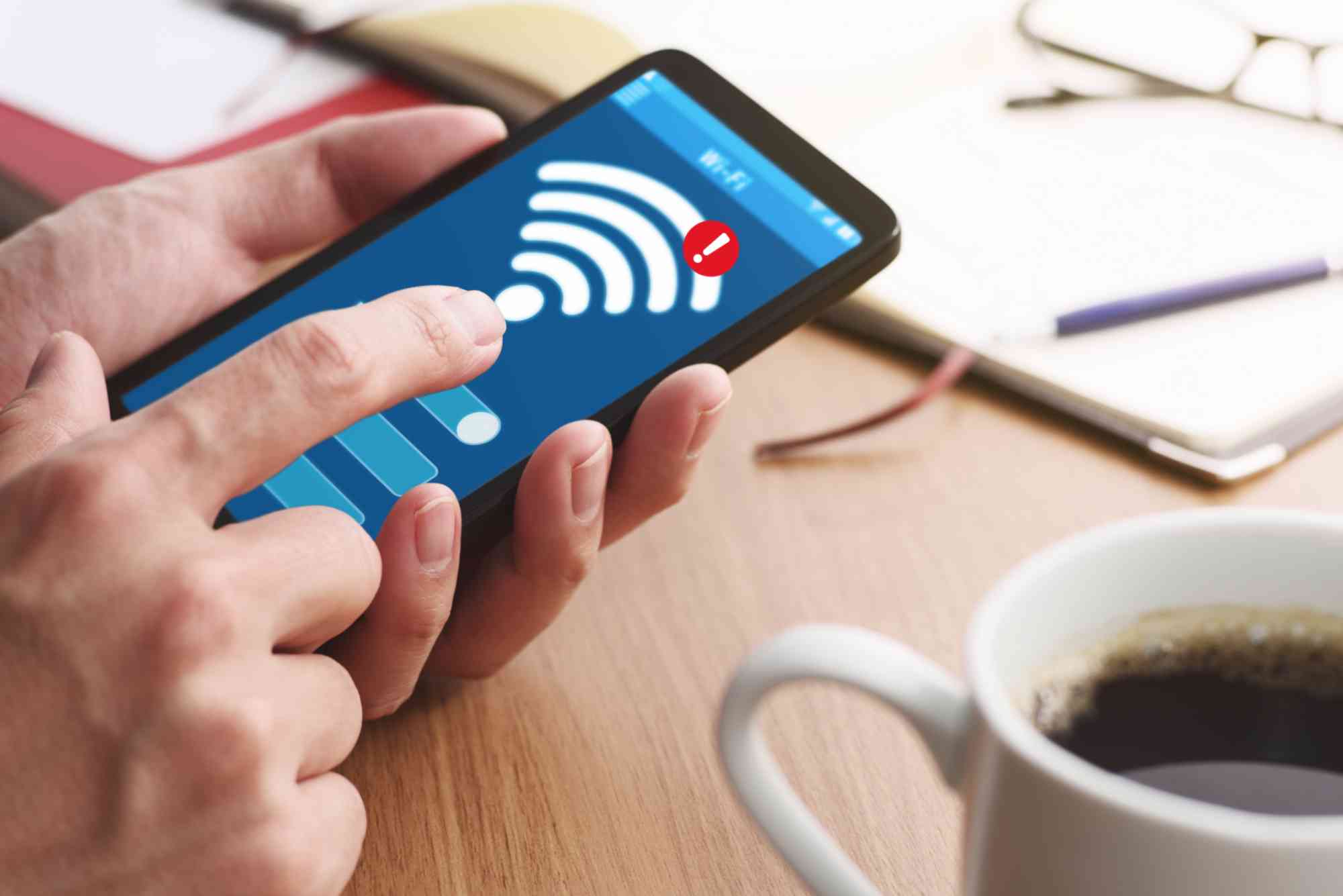
Mobile hotspots are essential tools for staying connected, especially in today’s increasingly digital world. Whether you’re working remotely, attending an Orange Theory class in Mountain View, or simply traveling, understanding the mobile hotspot device limit can save you frustration. Many users assume a hotspot can handle unlimited devices, but each device you connect impacts speed, performance, and reliability. In this article, we’ll explore how mobile hotspots work, what determines their connection limits, and tips to optimize usage.
Understanding Mobile Hotspots
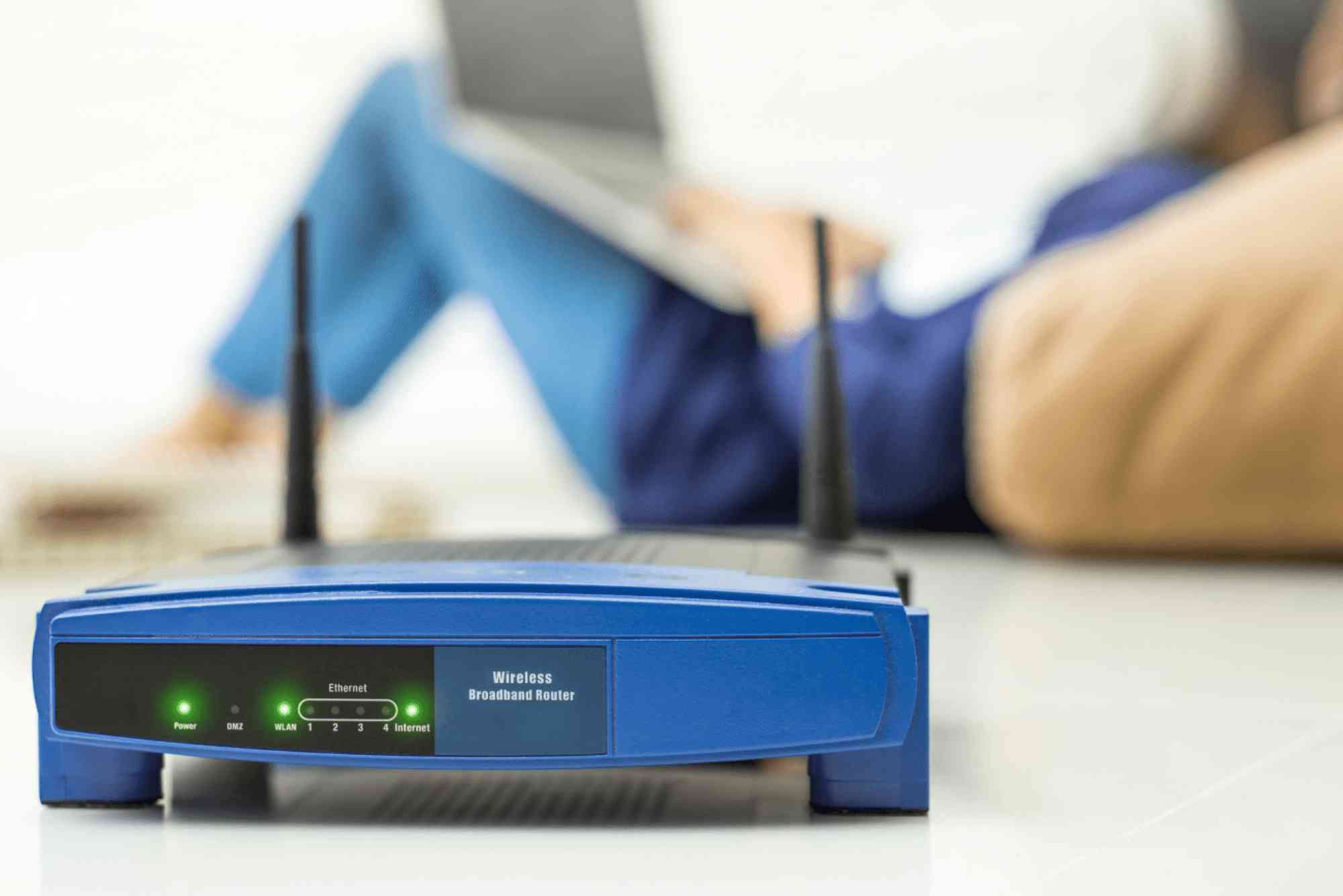
A mobile hotspot turns your smartphone or dedicated device into a mini Wi-Fi router. It uses cellular data to provide internet access to nearby devices such as laptops, tablets, or smart TVs. Mobile hotspots are convenient for locations without fixed broadband, and they allow multiple users to share a single connection. However, the number of devices a hotspot can support is not unlimited.
How Hotspot Connections Work
When a device connects to your hotspot, it consumes part of your available bandwidth. The more devices connected, the slower each device’s internet speed becomes. High-bandwidth activities like streaming videos or video conferencing can quickly saturate the hotspot, even with fewer devices.
Factors Influencing Device Limits
The device limit is determined by a combination of hardware, network provider restrictions, and the type of hotspot. Smartphones often allow fewer simultaneous connections than dedicated hotspot devices. Some high-end devices can manage over 20 connections, but most smartphones top out between five and ten.
Mobile Hotspot Device Limit by Device Type
Different devices have varying hotspot capacities.
Smartphones
Most modern smartphones allow 5 to 10 devices to connect at once. Android and iOS devices have different internal limits based on hardware and software optimizations. Performance will drop if multiple devices stream HD content simultaneously.
Dedicated Hotspot Devices
Dedicated mobile hotspot devices or Mi-Fi routers often support more connections, sometimes up to 30 devices. They usually have stronger antennas and better thermal management to maintain stable connections for multiple users.
Laptops and Tablets
While not common, some laptops and tablets with hotspot capabilities can act as secondary Wi-Fi hubs. Their connection limits are usually smaller due to hardware limitations, averaging 5–8 devices.
Why the Device Limit Matters
Understanding your hotspot’s device limit prevents slowdowns and connectivity issues. If you exceed the recommended number of connections, devices may experience dropped connections, slower browsing, or buffering during streaming. This is especially important in high-traffic scenarios like co-working spaces or group workouts at Orange Theory in Mountain View, where many users might rely on a single hotspot.
Balancing Speed and Connectivity
The key is balancing speed and the number of connected devices. Even if a hotspot allows ten devices, optimal performance may occur at only five or six devices. Monitoring usage patterns helps ensure everyone connected receives reliable speeds without interruptions.
Impacts on Battery Life
Using a smartphone as a hotspot drains its battery faster than regular usage. More connected devices accelerate battery consumption and can cause the device to heat up. External battery packs or dedicated hotspot devices mitigate this issue for prolonged usage.
Tips for Optimizing Hotspot Usage
Maximizing your hotspot performance involves understanding both hardware and software limitations.
Limit High-Bandwidth Activities
Streaming videos, online gaming, or large downloads can quickly overwhelm a hotspot. Encourage users to prioritize lighter activities like browsing and messaging when multiple devices are connected.
Position Your Hotspot Strategically
Signal strength affects connection quality. Place your hotspot device in a central, elevated location for even coverage. Avoid barriers like walls or thick furniture that can block Wi-Fi signals.
Update Device Firmware
Hotspot performance can improve with firmware updates. Manufacturers often optimize device capabilities and address connectivity issues, which can indirectly increase your device limit’s efficiency.
Consider a Dedicated Device
If multiple devices need simultaneous connections frequently, a dedicated hotspot device or Mi-Fi router provides better performance and reliability than a smartphone hotspot.
Common Questions About Mobile Hotspot Device Limits
How Many Devices Can I Connect to My Mobile Hotspot?
Most smartphones support 5–10 devices, while dedicated hotspot devices can handle up to 30. Performance may degrade if too many devices connect simultaneously.
Does the Carrier Affect Hotspot Device Limits?
Yes. Some network providers impose restrictions regardless of your device’s hardware. Checking your carrier’s hotspot policy ensures you don’t exceed allowed limits.
Can I Improve My Hotspot Performance for Multiple Devices?
Yes. Reducing high-bandwidth activities, using a dedicated hotspot device, and positioning the hotspot for optimal signal strength can improve performance.
Will My Phone Overheat With Many Connections?
High traffic through a smartphone hotspot can increase temperature and drain the battery faster. Using external power sources and limiting simultaneous devices helps prevent overheating.
Knowing the mobile hotspot device limit is crucial for maintaining fast, reliable internet connections. Whether at home, traveling, or attending Orange Theory Mountain View classes, respecting these limits ensures every connected device performs optimally. For users who frequently share connections, investing in a dedicated hotspot device is a wise decision.
For reliable internet services and guidance on hotspot optimization, explore Dhanote Internet Services. Stay connected, avoid slowdowns, and make the most of your mobile hotspot experience.