Why Mesh Wi-Fi Signal Is Weak in Some Rooms and How to Fix
A strong and stable internet connection is essential for work, streaming, and gaming. Yet, many users face a common issue: their mesh Wi-Fi signal strength is weak in some rooms. This problem can be frustrating, especially when you’ve invested in a mesh system expecting seamless coverage.
In this guide, we’ll explain why this happens, how to diagnose it, and proven methods to fix it. By the end, you’ll know exactly what steps to take to ensure strong Wi-Fi everywhere in your home.
Understanding Mesh Wi-Fi Systems
Mesh Wi-Fi systems use multiple nodes placed around your home. Each node communicates with the others to deliver consistent coverage. Unlike traditional routers, mesh systems eliminate “dead zones” by extending the signal through strategically placed units.
But even with this advanced setup, some rooms may still suffer from weak signal. Let’s explore the main reasons.
Why Is Mesh Wi-Fi Signal Strength Weak in Some Rooms?
Distance Between Nodes
Mesh systems work best when nodes are within optimal range. If a room is too far from the nearest node, the signal weakens.
Interference from Walls and Materials
Thick concrete, metal structures, or tiled walls can block signals. Bathrooms, basements, and garages often have weaker connectivity due to dense materials.
Electronic Interference
Microwaves, cordless phones, and baby monitors use similar frequencies to Wi-Fi. This overlap can reduce mesh Wi-Fi signal strength in some rooms.
Poor Node Placement
Placing a node in a corner, behind furniture, or near metal objects reduces coverage. Placement errors are one of the most common reasons for weak mesh signals.
Band Steering and Frequency Shifts
Mesh systems switch between 2.4 GHz and 5 GHz bands. Some devices may struggle with auto-switching, causing signal drops in certain rooms.
Network Overload
If multiple devices stream, game, or download in one area, bandwidth splits. As a result, weaker rooms may see reduced performance.
How to Fix Mesh Wi-Fi Signal Strength Weak in Some Rooms
Now that you know the causes, let’s dive into practical solutions.
Optimize Node Placement
-
Place nodes in open areas, away from walls and furniture.
-
Ensure line of sight where possible.
-
Position nodes halfway between the main router and weak-signal rooms.
Add Extra Nodes
If your house is large, invest in an additional node. More nodes reduce dead zones by extending coverage to far rooms.
Adjust Frequency Bands
Some devices work better on 2.4 GHz, which travels farther through walls. Switch devices in weak rooms to 2.4 GHz manually if needed.
Reduce Interference
-
Keep nodes away from microwaves, cordless phones, and Bluetooth hubs.
-
Use wired backhaul if supported, so nodes communicate without wireless interference.
Update Firmware
Manufacturers release updates to improve stability. Regularly check your mesh system’s app for firmware updates.
Use Ethernet Backhaul
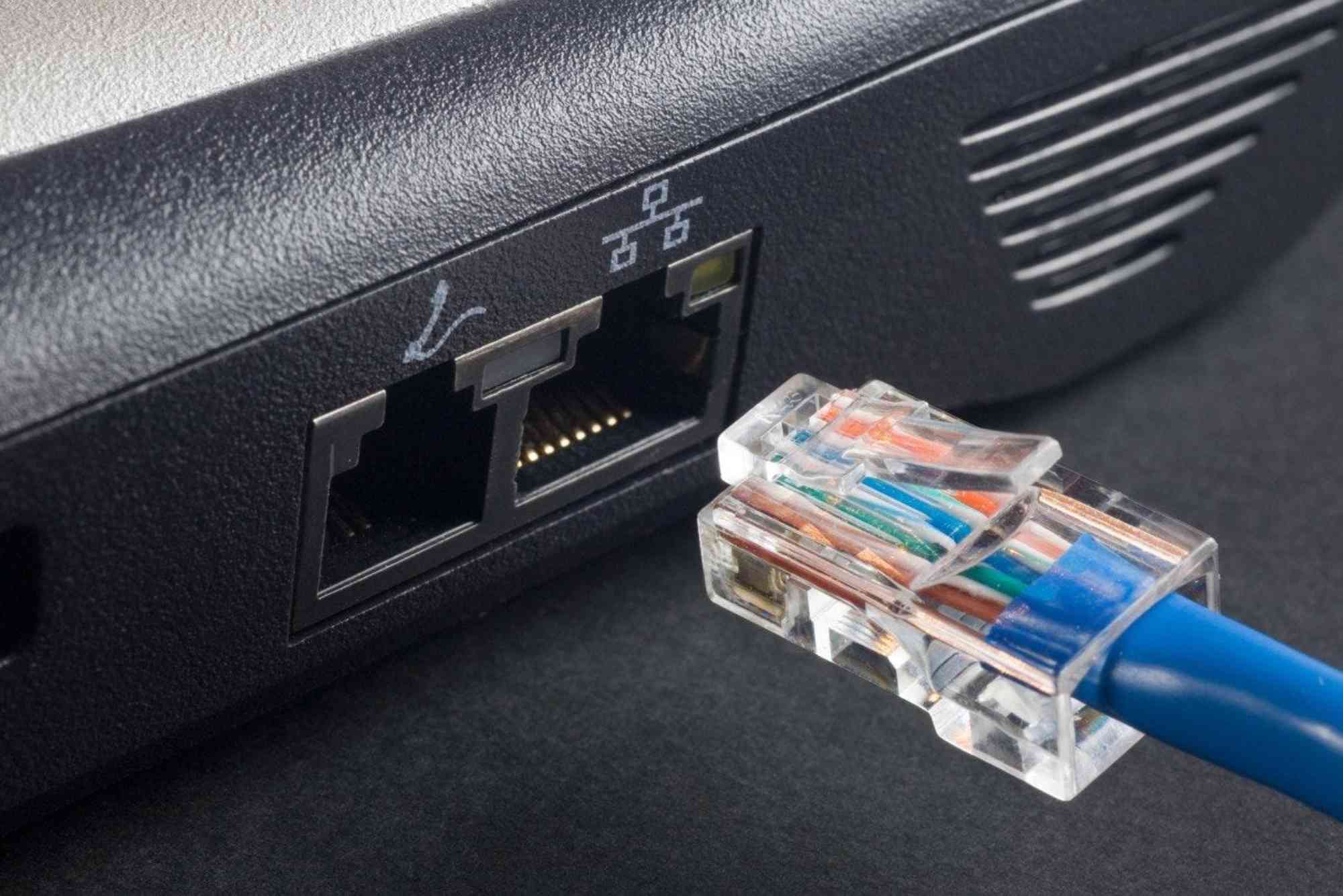
Connecting nodes with Ethernet cables ensures stable, interference-free communication between units. This is ideal for multi-story houses.
Limit Network Overload
Enable QoS (Quality of Service) in your mesh settings. This feature prioritizes essential activities like video calls and reduces lag.
Consider ISP Speed and Reliability
Sometimes, the issue isn’t your mesh system. A weak internet supply from your provider can affect overall performance. Services like Dhanote Internet Services provide reliable high-speed internet that complements mesh setups.
Advanced Fixes for Persistent Weak Signal
Relocate Your Router
If your main router is in a basement or corner, move it to a central location.
Use Powerline Adapters
For homes with thick walls, powerline adapters can transmit signals using electrical wiring.
Create Device Groups
Some mesh systems let you assign devices to specific nodes. This ensures weaker rooms always connect to the nearest unit.
FAQs: Mesh Wi-Fi Signal Weakness
Why is my mesh Wi-Fi signal weak upstairs?
Signals often weaken upstairs due to thick floors and distance from the main node. Place a node on each floor for better coverage.
Does mesh Wi-Fi work in large houses?
Yes, but you’ll need enough nodes. Large homes may require 4–6 nodes, depending on structure and layout.
Should I use 2.4 GHz or 5 GHz for weak rooms?
Use 2.4 GHz in rooms far from nodes. It travels farther through walls, though at slower speeds.
How do I know if my node placement is wrong?
If the signal is strong in some areas but weak in others, the node may be too far from the main router. Apps from brands like Google Nest or TP-Link often provide placement guidance.
Can too many devices slow down mesh Wi-Fi?
Yes, heavy streaming and downloads split bandwidth. Use QoS to prioritize important devices.
Strengthen Your Mesh Wi-Fi Today
A mesh Wi-Fi signal strength weak in some rooms usually comes down to placement, interference, or insufficient nodes. By optimizing setup, reducing interference, and ensuring reliable ISP service, you can enjoy smooth internet in every corner of your home.
If weak signals continue despite troubleshooting, consider upgrading your provider. Reliable services like Dhanote Internet Services ensure your mesh Wi-Fi system performs at its best.
Ready to fix your Wi-Fi once and for all? Start optimizing today and enjoy seamless connectivity in every room.