What Is Mesh Wi-Fi Band Steering and How Does It Work?
A fast and stable internet connection is no longer a luxury—it’s a necessity. With multiple devices competing for bandwidth, ensuring reliable Wi-Fi across your home can be a challenge. This is where mesh Wi-Fi band steering comes in. In this article, you’ll find mesh Wi-Fi band steering explained in detail: what it is, how it works, and why it can transform your online experience.
Understanding the Basics of Mesh Wi-Fi
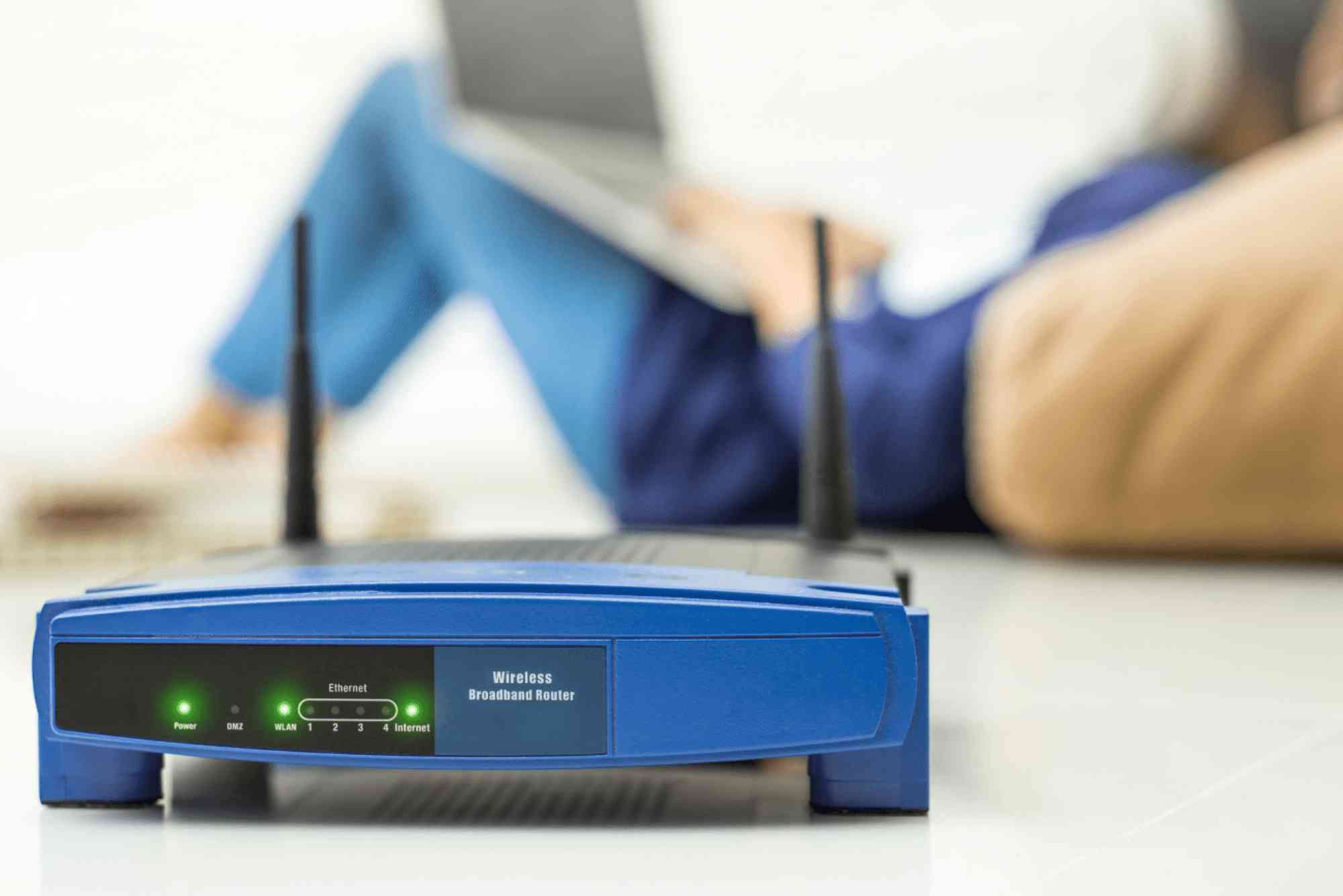
Before diving into band steering, it’s important to understand how mesh Wi-Fi systems work. Unlike traditional routers that rely on a single access point, mesh Wi-Fi uses multiple nodes or satellites. These nodes work together to create one unified network, eliminating dead zones and ensuring seamless coverage.
Why Traditional Routers Struggle
A single router often fails in large homes or buildings with thick walls. This leads to weak signals, buffering, and frustration. Mesh systems solve this by spreading the signal evenly across all areas.
How Mesh Networks Benefit Users
-
Stronger signal throughout the house
-
Single network name (SSID) for easy device connection
-
Self-healing technology if one node goes down
-
Flexibility to add more nodes as needed
Now that we understand mesh systems, let’s focus on the key feature: band steering.
Mesh Wi-Fi Band Steering Explained
So, what is band steering? In simple terms, it’s a smart feature in mesh Wi-Fi systems that guides your devices to connect to the best available frequency band.
Most routers and mesh systems broadcast two frequency bands: 2.4 GHz and 5 GHz. Some newer systems also use 6 GHz (Wi-Fi 6E).
-
2.4 GHz: Offers longer range but slower speeds.
-
5 GHz: Delivers faster speeds but has a shorter range.
-
6 GHz: Ultra-fast speeds, best for modern devices, but limited range.
Without band steering, your device may connect randomly—sometimes sticking to the slower 2.4 GHz even when 5 GHz is available. Band steering fixes this.
How Band Steering Works in Mesh Wi-Fi
-
Device Detection – The system checks your device’s Wi-Fi capabilities.
-
Signal Evaluation – It evaluates distance, speed, and stability.
-
Smart Assignment – Your device is automatically directed to the best band.
-
Dynamic Switching – If conditions change, the system can move your device to a better band without interrupting your connection.
This ensures you always get the fastest and most stable connection possible.
Benefits of Mesh Wi-Fi Band Steering
Optimized Internet Speeds
By balancing devices across multiple bands, congestion is reduced. This results in faster browsing, smoother streaming, and lag-free gaming.
Better Coverage for Smart Homes
Many smart home devices, like cameras or sensors, work best on 2.4 GHz. Band steering keeps them there, while laptops and phones enjoy faster 5 GHz or 6 GHz speeds.
Seamless Roaming
When you move around your home, band steering ensures your device connects to the best node and band without drops.
Improved Network Efficiency
Instead of overcrowding one band, the system distributes devices intelligently. This makes your network more efficient.
Is Mesh Wi-Fi Band Steering Always Perfect?
While powerful, band steering isn’t flawless. Sometimes, a device may stubbornly stick to 2.4 GHz even if 5 GHz is better. This usually happens with older devices. Most modern mesh systems, however, handle these issues with advanced algorithms.
How to Enable Band Steering on Your Mesh Wi-Fi
Most mesh Wi-Fi systems have band steering turned on by default. However, if you want to double-check:
-
Log in to your mesh system’s mobile app or web dashboard.
-
Go to Wi-Fi settings.
-
Look for Band Steering, Smart Connect, or Automatic Band Selection.
-
Ensure it’s enabled.
If you’re unsure, consult your system’s support page. For example, Dhanote Internet Services provides reliable Wi-Fi solutions with easy-to-use mesh setups.
Real-Life Example: Streaming and Gaming
Imagine you’re watching Netflix on a smart TV while someone else is gaming online. Without band steering, both devices might use 2.4 GHz, leading to buffering and lag. With band steering, the TV streams smoothly on 5 GHz, while the gaming console enjoys low-latency performance.
FAQs About Mesh Wi-Fi Band Steering
What does mesh Wi-Fi band steering mean?
Mesh Wi-Fi band steering explained simply: it’s a feature that directs your devices to the best frequency band for speed and stability.
Is band steering the same as load balancing?
No. Load balancing distributes traffic evenly across nodes, while band steering decides which frequency band each device should use.
Can I turn off band steering?
Yes, most systems allow you to disable it. However, it’s recommended to keep it on for the best performance.
Does band steering work with all devices?
Most modern devices support it. Older devices may not fully benefit, but they will still connect to the network.
How is band steering different in mesh Wi-Fi vs. traditional routers?
In mesh Wi-Fi, band steering is more effective because multiple nodes provide seamless roaming and stronger coverage.
Why Band Steering Matters
Now that you’ve seen mesh Wi-Fi band steering explained, it’s clear why it’s such a valuable feature. It improves speed, coverage, and efficiency, making your home network smarter and more reliable.
If you’re tired of dead zones, slow speeds, and unstable connections, consider upgrading to a mesh system with band steering. Explore solutions like Dhanote Internet Services for dependable and high-performance connectivity.
Ready to boost your Wi-Fi? Invest in a mesh Wi-Fi system with band steering and experience the difference today.