Ways to Stop Mesh Wi-Fi Signal Drops
Mesh Wi-Fi networks are designed to provide seamless internet coverage across large homes and offices. However, even the best systems can suffer from signal drops, leaving devices disconnected or slowing down your network. Understanding the causes of these interruptions and how to fix them is essential for maintaining a smooth online experience. This guide explores practical solutions to address mesh network signal problems, helping you enjoy reliable Wi-Fi everywhere.
Understanding Mesh Network Signal Problems
Mesh networks consist of multiple nodes working together to cover every corner of your home or office. While they offer superior coverage compared to traditional routers, several factors can interfere with their performance. Signal drops often occur due to interference, poor node placement, hardware issues, or outdated software. Identifying the source is the first step toward a stable connection.
Common Causes of Mesh Wi-Fi Signal Drops
Physical Obstacles
Walls, floors, and large furniture can block Wi-Fi signals. Materials like concrete, metal, or brick are particularly disruptive. Nodes placed too far apart may struggle to communicate effectively.
Wireless Interference
Other electronic devices, like microwaves, cordless phones, and baby monitors, can interfere with Wi-Fi signals. Neighboring Wi-Fi networks may also cause congestion, especially on the 2.4 GHz band.
Network Overload
Too many devices connected simultaneously can strain your mesh network. Streaming, gaming, and large downloads all demand bandwidth, leading to temporary signal drops.
Outdated Firmware or Hardware
Mesh systems rely on regular firmware updates to improve performance. Using outdated nodes or routers can create connectivity issues and affect overall network stability.
How to Fix Mesh Network Signal Problems
Addressing mesh network signal problems requires a combination of strategic placement, software updates, and network optimization.
Optimize Node Placement
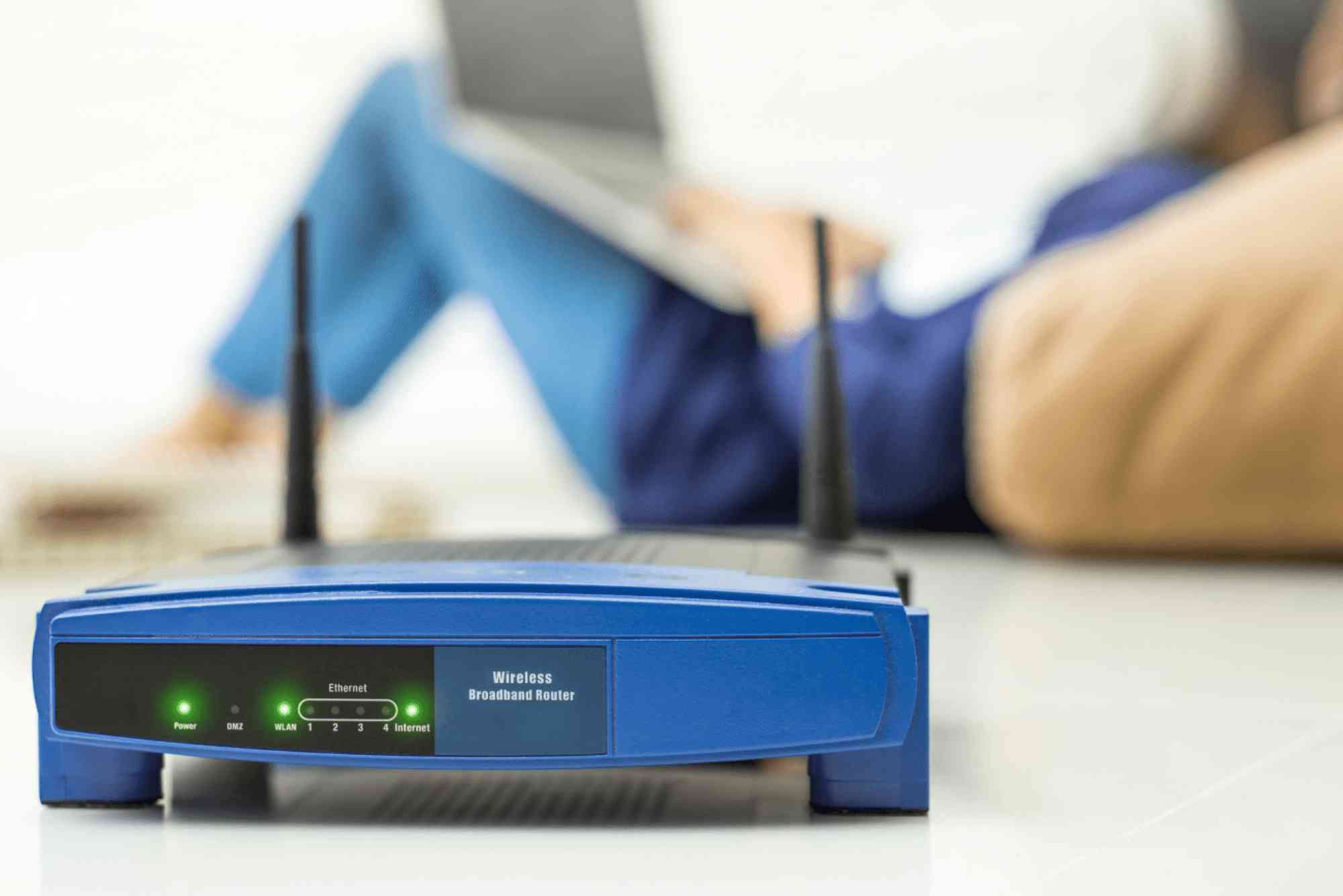
Proper placement is crucial for consistent Wi-Fi coverage. Nodes should be positioned in open spaces, away from walls and large furniture. Avoid corners, closets, or areas near metal objects. Ideally, place nodes at a central height, like on a shelf, to maximize signal reach.
Reduce Interference
Minimize interference by keeping nodes away from devices that emit strong electromagnetic signals. Switch to less congested Wi-Fi channels using your mesh system’s app or management interface. Dual-band or tri-band systems can help balance traffic across multiple frequencies.
Update Firmware Regularly
Manufacturers often release firmware updates to fix bugs and improve connectivity. Regularly check your mesh system’s app or website for updates. Updated software ensures compatibility with new devices and enhances overall network performance.
Manage Connected Devices
Too many connected devices can overload your network. Prioritize critical devices for bandwidth or schedule usage during off-peak hours. Some mesh systems allow you to create separate networks for guests or smart home devices to reduce strain.
Use Wired Backhaul When Possible
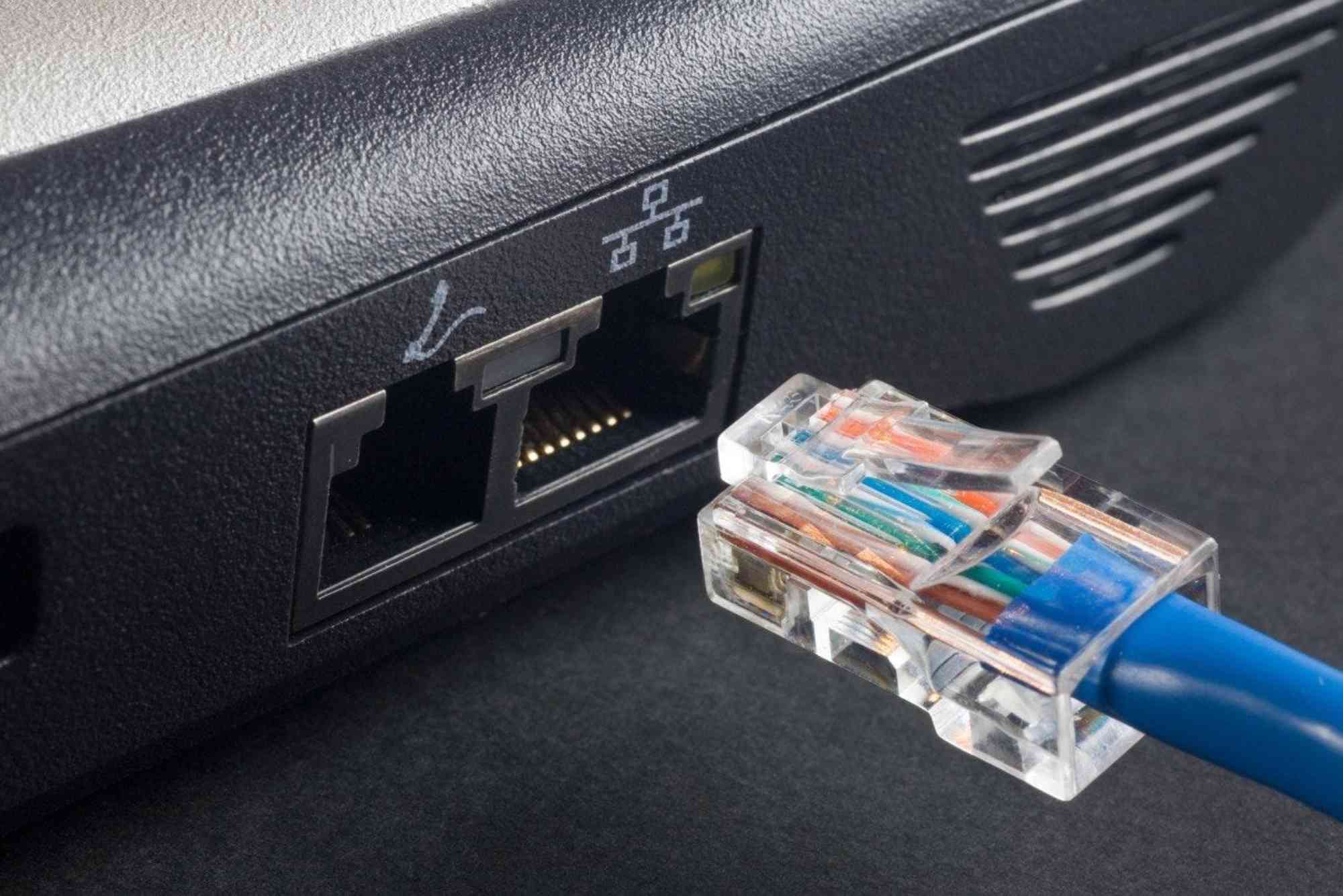
Some mesh systems support wired connections between nodes. Using Ethernet cables for backhaul significantly reduces signal drops and improves overall network stability. This is especially useful in large homes or offices with multiple floors.
Monitor Network Performance
Regularly monitor your network using the mesh system’s app or tools like speed tests. Identify weak signal areas and adjust node placement as needed. Continuous monitoring helps prevent problems before they become severe.
Additional Tips for a Stable Mesh Network
- Avoid placing nodes near thick walls or metal objects.
- Use a dedicated 5 GHz band for high-speed devices.
- Restart nodes periodically to clear temporary glitches.
- Consider upgrading older nodes for improved coverage.
For professional guidance and reliable internet solutions, services like Dhanote Internet Services can help optimize your mesh network for consistent performance.
Mesh Wi-Fi networks offer excellent coverage, but mesh network signal problems can disrupt your online experience. By optimizing node placement, minimizing interference, updating firmware, and managing connected devices, you can significantly reduce signal drops. A stable network ensures smooth streaming, gaming, and work-from-home activities without frustration.
Take control of your Wi-Fi today and enjoy uninterrupted connectivity with these practical solutions. For expert assistance and advanced network setup, reach out to Dhanote Internet Services to keep your mesh network running flawlessly.
FAQs
Why does my mesh Wi-Fi keep dropping?
Signal drops often occur due to interference, poor node placement, outdated firmware, or too many connected devices.
How far apart should mesh nodes be?
Nodes should typically be 30–50 feet apart in open spaces, but walls and obstacles may require closer placement.
Can firmware updates improve Wi-Fi stability?
Yes. Updates often fix bugs, enhance performance, and ensure compatibility with newer devices.
Is wired backhaul better than wireless?
Using Ethernet for node connections reduces signal drops and improves stability, especially in large homes or offices.
How can I reduce interference from other devices?
Keep nodes away from microwaves, cordless phones, and metal objects. Switch Wi-Fi channels and use dual or tri-band systems to balance traffic.