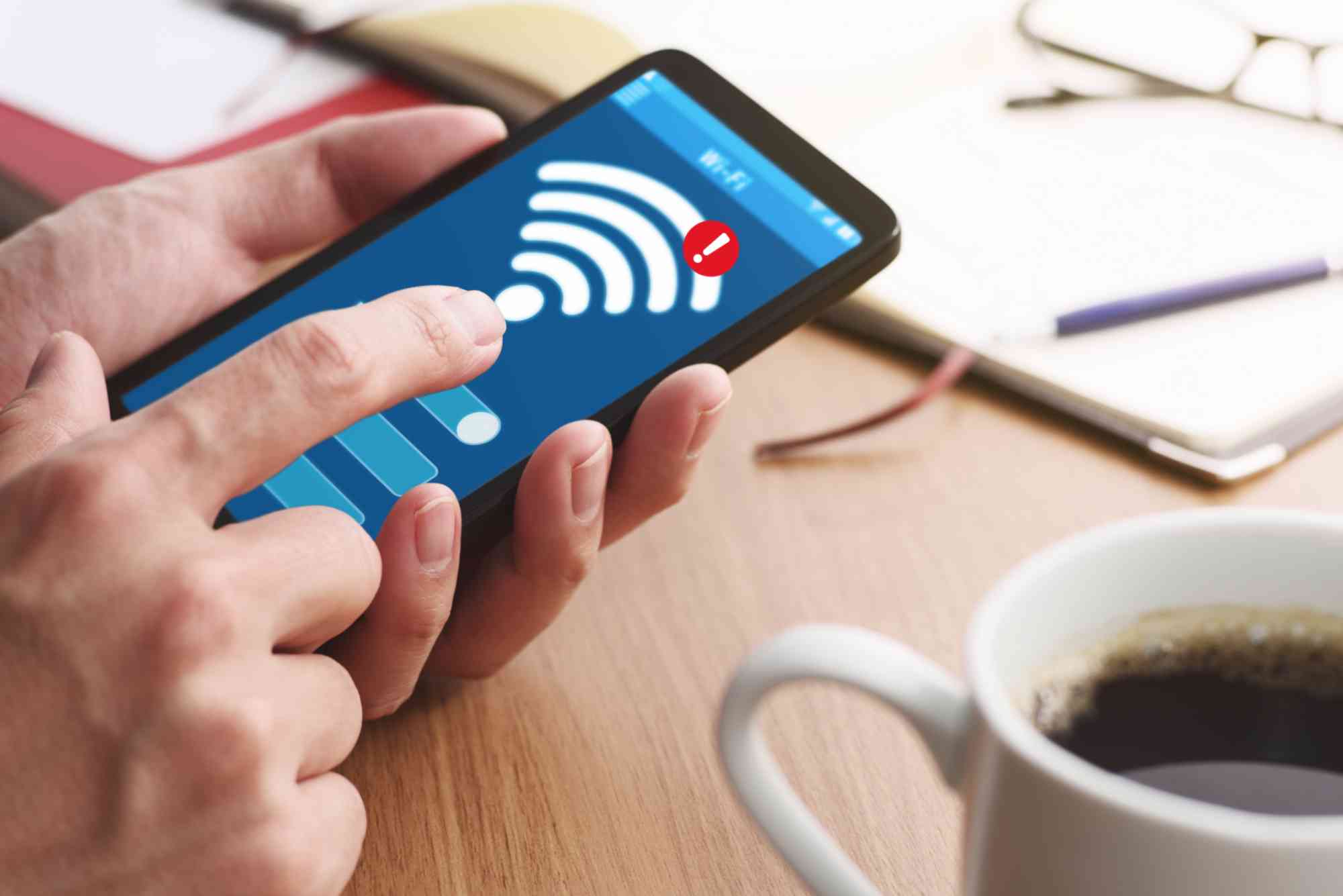
How to Secure Your Mobile Hotspot Network
In today’s connected world, mobile hotspots are essential for staying online on the go. However, unsecured hotspots can put your data at risk. Knowing how to secure mobile hotspot networks is crucial to protect personal information and prevent cyber threats. This guide provides practical, expert advice to keep your hotspot safe and reliable.
Understanding Mobile Hotspots
A mobile hotspot allows devices to connect to the internet using cellular data. While convenient, hotspots can be vulnerable to hackers if left unprotected. Cybercriminals can intercept traffic, steal passwords, or even install malware. Securing your hotspot ensures your internet sessions remain private and your devices are safe.
Why Securing Your Hotspot Matters
Hotspots are easy targets for cyberattacks. Unprotected networks can:
-
Expose sensitive personal and financial data.
-
Allow unauthorized users to consume your data.
-
Lead to malware infections on connected devices.
Knowing how to secure mobile hotspot helps prevent these risks, giving you peace of mind while working remotely or traveling.
Steps to Secure Your Mobile Hotspot
Enable Strong Password Protection
Always use a strong, unique password for your hotspot. Avoid default passwords, which are easy for hackers to guess. A good password should combine letters, numbers, and special characters. Regularly update your password to maintain security.
Use WPA3 or WPA2 Encryption
Encryption protects the data transmitted through your hotspot. Use WPA3 if your device supports it; otherwise, WPA2 is the minimum. Avoid WEP, as it is outdated and easily bypassed by attackers.
Limit Device Connections
Restrict your hotspot to only trusted devices. Many smartphones allow you to set a maximum number of connected devices. Limiting connections reduces the risk of unauthorized access.
Hide Your Network Name (SSID)
Hiding your SSID makes your hotspot less visible to outsiders. While this doesn’t make it invisible to hackers, it adds a layer of difficulty for unauthorized users trying to connect.
Enable Two-Factor Authentication
For devices or accounts accessed via your hotspot, enable two-factor authentication. This adds an extra security step, making it harder for attackers to compromise your data.
Turn Off Hotspot When Not in Use
An active hotspot is always discoverable. Turn it off when you don’t need it to prevent unauthorized access. This simple step significantly reduces your exposure to potential threats.
Keep Software Updated
Ensure your smartphone and hotspot software are always updated. Manufacturers release updates to patch security vulnerabilities. Outdated software can leave your hotspot exposed to attacks.
Monitor Connected Devices
Regularly check which devices are connected to your hotspot. Disconnect any unfamiliar devices immediately. Most smartphones provide an option to view and manage connected devices under hotspot settings.
Avoid Public Places
Using your hotspot in crowded areas increases the risk of interception. Hackers can exploit unprotected networks in cafes, airports, or public transport. Whenever possible, connect in private locations or use a VPN for added security.
Consider Using a VPN
A virtual private network (VPN) encrypts your internet traffic, making it difficult for hackers to intercept data. Using a VPN alongside your hotspot adds an extra layer of protection, especially on public networks.
Common Mistakes to Avoid
Using Weak Passwords
Passwords like “123456” or “password” are extremely insecure. Always create a complex, unique password for your hotspot.
Leaving Hotspot Always On
An always-on hotspot is a constant invitation to attackers. Turn it off when it’s not needed.
Sharing Hotspot Publicly
Avoid posting your hotspot credentials on social media or sharing with untrusted users. Sharing increases the risk of misuse.
Ignoring Updates
Neglecting updates leaves your hotspot vulnerable. Enable automatic updates whenever possible to stay protected.
Tools and Apps to Enhance Hotspot Security
-
Mobile security apps can detect intrusions and unauthorized devices.
-
Password managers help create and store complex passwords.
-
VPN services protect your internet traffic from interception.
For reliable internet services and guidance on secure connectivity, consider consulting providers like Dhanote Internet Services.
Securing your mobile hotspot is essential for protecting your data, devices, and online privacy. By using strong passwords, encryption, device monitoring, and turning off your hotspot when idle, you can minimize the risk of cyberattacks. Take action today and make your mobile hotspot safer.
Stay vigilant, update your devices, and consider using additional tools like VPNs for maximum protection. Your online safety depends on proactive security measures.
Start securing your mobile hotspot now and browse with confidence.
FAQ
How do I make my mobile hotspot secure?
Use strong passwords, enable WPA2 or WPA3 encryption, limit device connections, and turn off the hotspot when not in use.
Can someone hack my mobile hotspot?
Yes, if it is unsecured. Hackers can intercept traffic, steal passwords, or access connected devices. Strong security settings prevent this.
Should I hide my hotspot SSID?
Yes, hiding your SSID makes your network less visible, adding an extra layer of security.
Is it safe to use a public hotspot?
Public hotspots are risky. Use a VPN for encryption and avoid accessing sensitive accounts on public networks.
How many devices should connect to my mobile hotspot?
Limit connections to trusted devices only. Many smartphones allow you to set a maximum number of devices to enhance security.