Introduction
If you’ve ever been in the middle of an intense match only to lose because of lag, you already know how frustrating high Wi-Fi latency can be. Online gaming relies heavily on a stable, low-latency connection. While a fast internet speed helps, latency—or the delay between your action and the server’s response—plays an even bigger role in ensuring smooth gameplay.
In this guide, you’ll learn how to reduce Wi-Fi latency for gaming. We’ll cover practical solutions that anyone can implement at home, explain the technical reasons behind lag, and highlight the tools and settings that make the biggest difference. Whether you’re a casual gamer or someone striving for competitive play, reducing latency is a game-changer.
What is Wi-Fi Latency and Why It Matters in Gaming?
Latency is the delay that occurs when data travels from your device to the gaming server and back. In gaming, latency is measured in milliseconds (ms). Lower latency means faster responses to your in-game actions, while higher latency results in delays, lag spikes, or rubberbanding.
Unlike internet speed, which measures how much data you can download or upload, latency measures how fast data packets move between you and the server. Even with a high-speed plan, poor latency can ruin the experience.
How to Reduce Wi-Fi Latency for Gaming
Optimize Your Router Placement
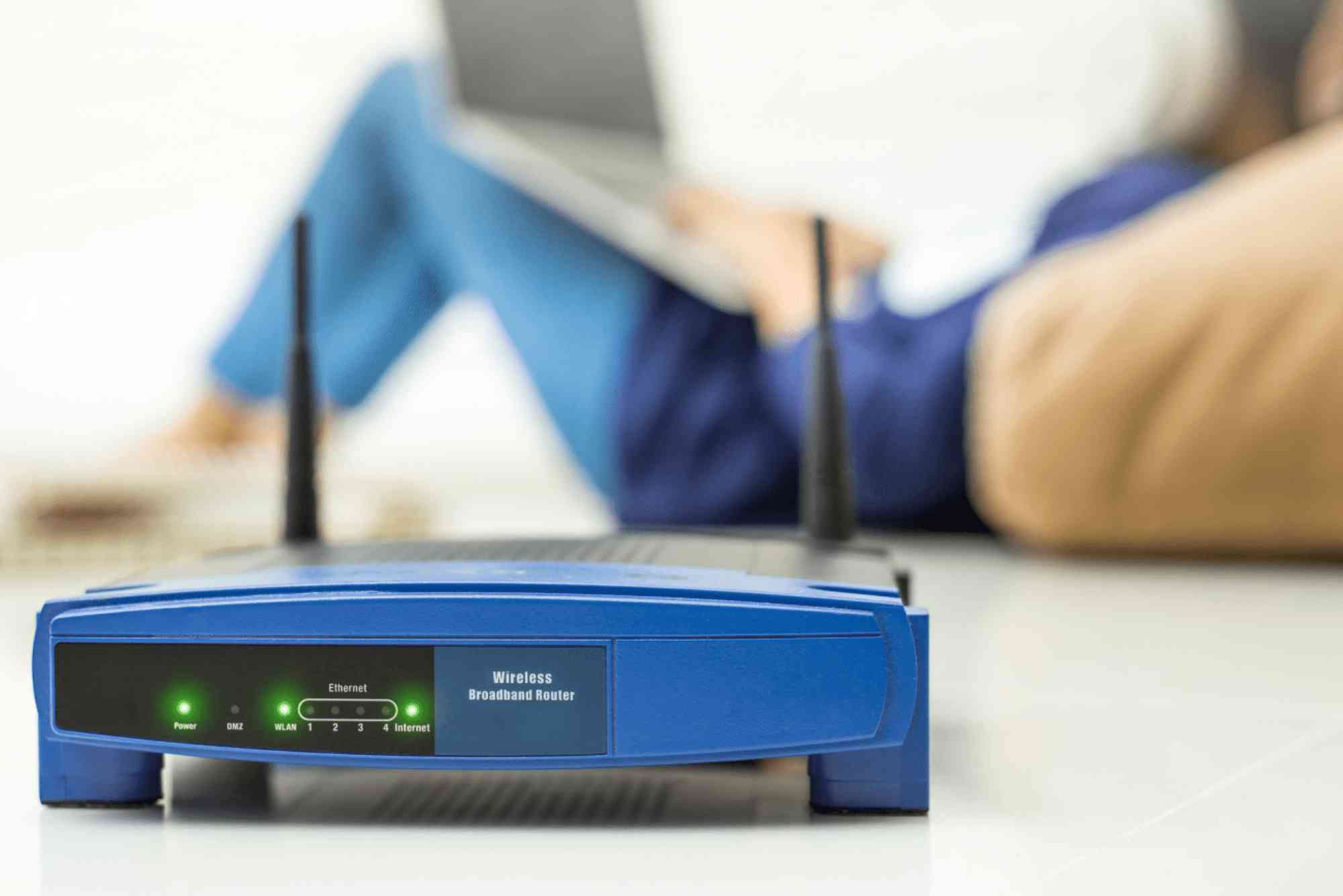
The placement of your router is often overlooked but it has a significant impact. A router hidden behind walls or placed in a corner struggles to deliver consistent signals. Move your router to a central, elevated position in your home. Ensure there are minimal obstructions between your gaming device and the router.
Switch to the 5GHz Band
Most modern routers offer both 2.4GHz and 5GHz frequency bands. The 2.4GHz band covers longer distances but is often crowded with interference from other devices. The 5GHz band offers faster speeds and lower latency, ideal for online gaming. Switching your device to 5GHz can instantly reduce ping times.
Limit Bandwidth Usage
If multiple people in your home are streaming videos, downloading files, or attending video calls, your connection will experience congestion. Prioritize your gaming sessions by asking others to limit heavy usage or setting up Quality of Service (QoS) on your router to prioritize gaming traffic.
Use a Wired Ethernet Connection
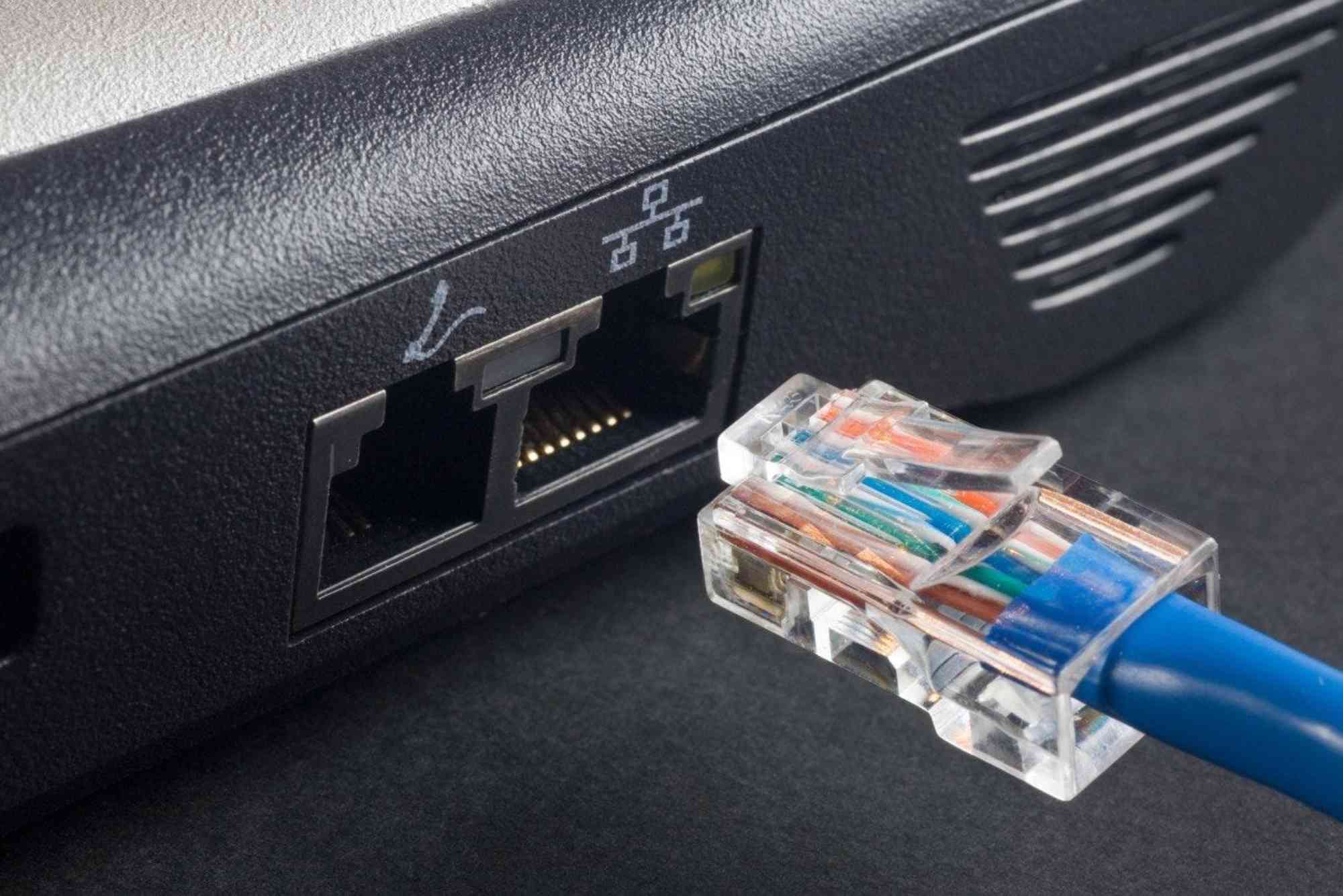
While Wi-Fi offers convenience, wired Ethernet is still the gold standard for gaming. Ethernet cables eliminate signal interference and provide a direct connection to your router, reducing latency significantly. If your setup allows it, connect your console or PC with a cable instead of relying on wireless signals.
Update Router Firmware and Drivers
Routers and network cards regularly receive firmware and driver updates. These updates fix bugs, improve stability, and enhance performance. Check your router’s manufacturer website and your device’s network settings to ensure everything is up to date.
Restart Your Router Regularly
Over time, routers accumulate background processes and memory leaks that can slow down connections. Restarting your router once a week clears the cache and helps maintain optimal performance.
Reduce Interference from Other Devices
Microwaves, cordless phones, and even Bluetooth speakers can interfere with Wi-Fi signals. Place your router away from these devices and avoid channel overlap by selecting a less congested Wi-Fi channel.
Enable Gaming Mode on Your Router
Some modern routers come with a “Gaming Mode” or built-in traffic prioritization. When enabled, your gaming traffic is given higher priority over other online activities, ensuring smoother performance during play.
Advanced Tips to Reduce Wi-Fi Latency
Invest in a Gaming Router
Gaming routers are designed with advanced features like MU-MIMO, beamforming, and QoS settings. These features ensure stable connections even in busy households. While more expensive, they are a worthwhile investment for serious gamers.
Consider a Mesh Wi-Fi System
For larger homes, dead zones can cause major latency issues. A mesh Wi-Fi system distributes signals more evenly using multiple nodes, ensuring your gaming device always receives a strong connection.
Use a VPN (Strategically)
Surprisingly, in some cases, using a gaming-focused VPN can reduce latency. If your ISP routes traffic inefficiently, a VPN can create a more direct path to the game server. However, results vary, and not every VPN improves latency.
Common Causes of High Wi-Fi Latency
High latency can result from multiple factors:
-
Network congestion from other users or devices.
-
Distance from the router or server location.
-
Outdated hardware or poor router placement.
-
ISP throttling or routing inefficiencies.
Understanding the cause of your latency issues helps you apply the most effective fix.
External and Internal Resources
If you want to dig deeper into internet optimization, PCMag’s Wi-Fi optimization guide offers more advanced troubleshooting tips.
For reliable, local connectivity solutions, consider exploring Dhanote Internet Services for faster, stable internet packages.
FAQs About Reducing Wi-Fi Latency
How do I test my Wi-Fi latency?
You can test latency by running a ping test using the Command Prompt or using free tools like Speedtest.net.
Does internet speed affect latency?
Not directly. High speeds don’t always mean low latency. Latency is about delay, not bandwidth.
Is Wi-Fi 6 better for gaming latency?
Yes. Wi-Fi 6 offers lower latency and better performance in crowded environments compared to older Wi-Fi standards.
Can using a mobile hotspot reduce latency?
It depends. In some cases, a 5G hotspot can provide lower latency, but stability may be inconsistent.
Reducing Wi-Fi latency is essential for smooth online gaming. From optimizing router placement to investing in a wired connection, each adjustment brings you closer to lag-free play. Advanced options like mesh systems or gaming routers take performance even further.
Now that you know how to reduce Wi-Fi latency, it’s time to apply these strategies. Test your connection, fine-tune your setup, and enjoy uninterrupted gameplay. If you’re seeking professional-grade solutions, explore Dhanote Internet Services for tailored internet packages designed for performance-driven users.