How to Fix DNS Server Not Responding Error
Internet connectivity is essential for both work and leisure, but encountering errors can be frustrating. One of the most common issues users face is the “DNS server not responding” error. This problem can prevent you from accessing websites, streaming content, or working online. The good news is that it is usually fixable with some straightforward steps. In this guide, we’ll explain what the error means, why it happens, and how to fix DNS server not responding on different devices.
What Does DNS Server Not Responding Mean?
The DNS, or Domain Name System, acts like the phonebook of the internet. When you type a website name into your browser, the DNS translates it into an IP address that your device can understand. If the DNS server fails to respond, your device cannot load the requested website. Instead, you see the error message indicating that the DNS server is not responding. This problem can be temporary, such as a server outage, or it may result from misconfigured settings, faulty hardware, or software conflicts. Understanding the root cause is the first step to solving it.
Common Causes of DNS Server Not Responding Error
Several reasons can trigger this error, including outdated network settings, router issues, DNS server problems, antivirus software conflicts, or temporary ISP outages. Sometimes the problem is as simple as a slow internet connection or a misconfigured DNS address.
How to Fix DNS Server Not Responding
There are multiple ways to fix this error depending on your operating system and network setup. Let’s go through the most effective methods one by one.
Restart Your Modem or Router
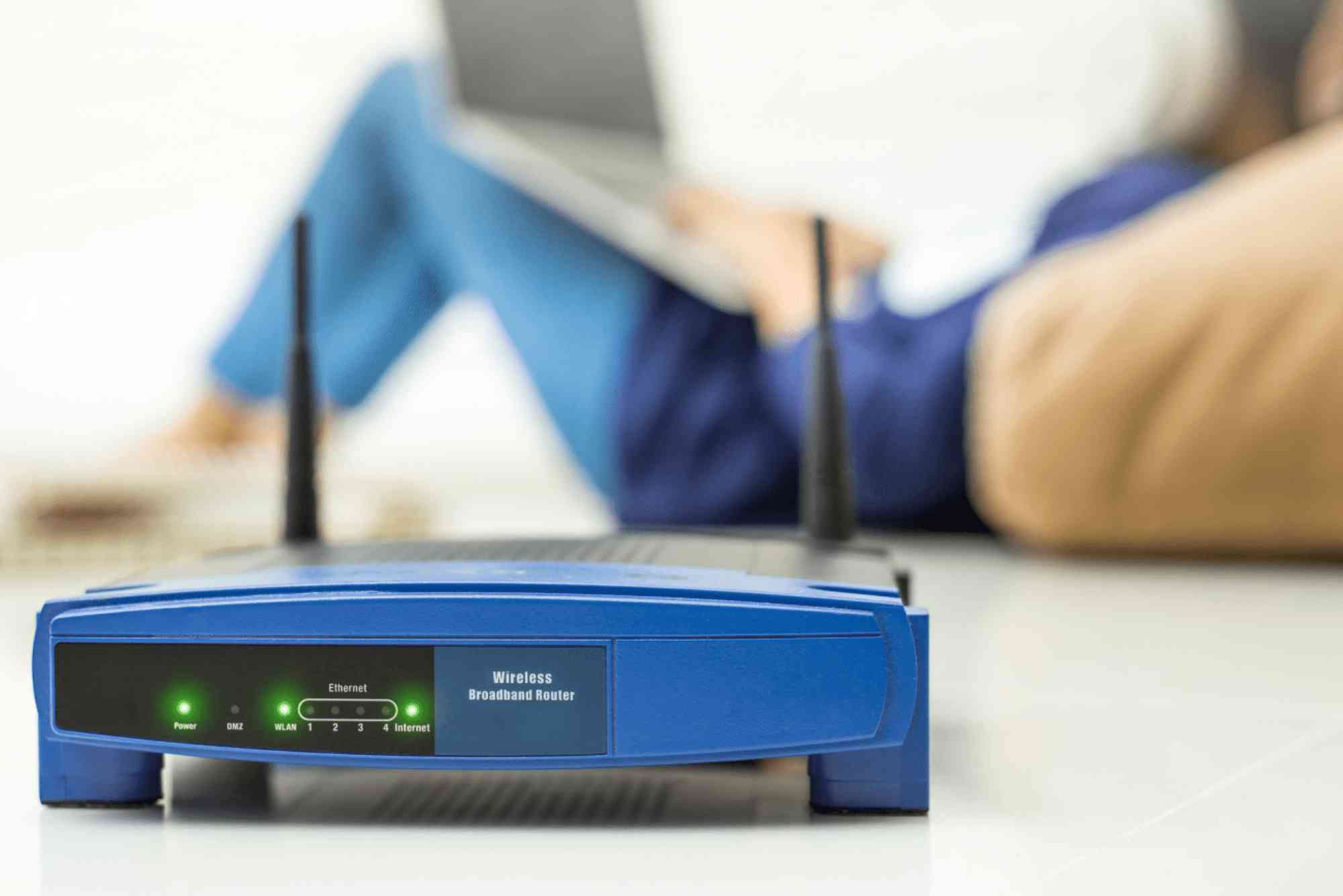
One of the simplest fixes is restarting your modem or router. Power it off, wait for at least 30 seconds, and turn it back on. This refreshes the connection and often resolves temporary glitches.
Switch to Another Browser
If the error appears only in one browser, try switching to another one. For example, if you’re using Chrome, test the website on Firefox or Edge. This helps confirm whether the issue is browser-related. Clearing cache and cookies or resetting the browser may also help.
Disable Antivirus and Firewall Temporarily
Sometimes, security software interferes with DNS connections. Temporarily disable your antivirus or firewall and try accessing the internet again. If this fixes the issue, adjust the settings of your security software to allow DNS communication.
Change DNS Server Settings
Manually setting up DNS can fix the error. Many people switch to public DNS services like Google DNS or Cloudflare for better reliability and speed.
For Windows:
Open Control Panel, go to Network and Internet, then Network and Sharing Center. Select your network, click Properties, and find Internet Protocol Version 4 (TCP/IPv4). Check “Use the following DNS server addresses” and enter 8.8.8.8 and 8.8.4.4 for Google DNS or 1.1.1.1 and 1.0.0.1 for Cloudflare.
For Mac:
Open System Preferences, go to Network, select your active connection, and click Advanced. Go to the DNS tab and add new DNS servers such as 8.8.8.8 or 1.1.1.1.
Flush DNS Cache
Your device stores DNS data temporarily. If the cache becomes corrupted, it may cause connection problems. Flushing the cache clears old data.
On Windows: Open Command Prompt and type ipconfig /flushdns. Press Enter.
On Mac: Open Terminal and type sudo killall -HUP mDNSResponder.
Update Network Drivers
Outdated or corrupt drivers may prevent proper DNS communication. Go to Device Manager on Windows, expand Network Adapters, right-click your network device, and select Update driver. Restart your PC afterward.
Restart in Safe Mode
Booting your computer in safe mode helps determine if third-party software is causing the problem. If the error does not appear in safe mode, uninstall recently installed applications or drivers that may be interfering.
Disable Secondary Connections
Sometimes, having multiple network connections active can confuse your system. Go to Network Connections on Windows and disable all networks except the one you use. On Mac, remove unused connections from the Network settings.
Try a Different Device
To confirm if the issue is with your device or your network, try connecting with another device. If the second device also cannot connect, the issue is likely with your router or internet service provider.
Contact Your ISP
If none of the fixes work, the problem may lie with your internet service provider. Contact their customer support for further assistance. Reliable providers like Dhanote Internet Services ensure minimal downtime and faster resolutions.
How to Fix DNS Server Not Responding on Mobile Devices
Smartphones also face DNS issues. If you’re using an Android or iPhone and encounter this error, here’s what you can do.
Reset Network Settings
On Android: Go to Settings, then System, and select Reset options. Choose Reset Wi-Fi, mobile & Bluetooth.
On iPhone: Go to Settings, then General, tap Transfer or Reset iPhone, and choose Reset Network Settings.
Change DNS on Mobile
On Android: In Wi-Fi settings, hold your connected network, choose Modify network, and set DNS manually to 8.8.8.8 or 1.1.1.1.
On iPhone: In Wi-Fi settings, tap the “i” next to your network, scroll to DNS, and enter new addresses manually.
Restart Your Device
Sometimes, simply restarting your phone can resolve temporary DNS errors.
How to Prevent DNS Server Not Responding in the Future
To minimize the chances of facing this error again, keep your system updated, use reliable DNS servers, clear cache regularly, and maintain your router. Also, choose a trustworthy internet provider that ensures stable DNS performance.
The “DNS server not responding” error may feel frustrating, but it is usually simple to fix with the right steps. Restarting your router, changing DNS settings, flushing cache, or updating drivers often solves the issue quickly. Mobile users can reset network settings or manually configure DNS to restore connectivity. If all else fails, contacting your ISP is the best approach. To avoid future problems, consider using a reliable provider like Dhanote Internet Services, which ensures consistent internet connectivity and strong DNS performance. Staying connected is essential, and now that you know how to fix DNS server not responding errors, you can troubleshoot quickly and get back online without stress.
FAQs
Why does my computer keep saying DNS server not responding?
It usually happens due to misconfigured DNS settings, router problems, or temporary outages from your ISP.
Is it safe to change my DNS server?
Yes, switching to public DNS like Google or Cloudflare is safe and often improves browsing speed.
Does restarting the router fix DNS issues?
Yes, restarting refreshes the network connection and often resolves temporary DNS failures.
Can a VPN cause DNS errors?
Yes, some VPNs override DNS settings and may cause conflicts. Disconnect the VPN to check if it resolves the error.
What is the best DNS server to use?
Google DNS (8.8.8.8) and Cloudflare DNS (1.1.1.1) are popular options known for speed and reliability.