How to Fix Wi-Fi Limited Access on Windows 10
If you are a Windows 10 user, you have likely experienced the dreaded “Wi-Fi limited access” error. This frustrating issue usually means that your computer is connected to your router but cannot reach the internet. The error can interrupt your work, stop you from streaming content, and create unnecessary stress when you need reliable connectivity. Thankfully, there are several effective ways to fix Wi-Fi limited access Windows 10 problems without needing advanced technical skills. This guide will walk you through why this error occurs, what you can do about it, and how to prevent it from happening again.
Understanding the “Limited Access” Problem in Windows 10
When your Windows 10 laptop or desktop shows “Wi-Fi connected, but no internet,” the system is telling you that it recognizes your wireless network but cannot transmit or receive data correctly. This usually happens because of outdated drivers, incorrect network settings, or router-related issues. Sometimes, temporary glitches in your operating system can also trigger the problem. By understanding the causes, you can apply the most suitable solution.
Restarting Devices and Network Equipment
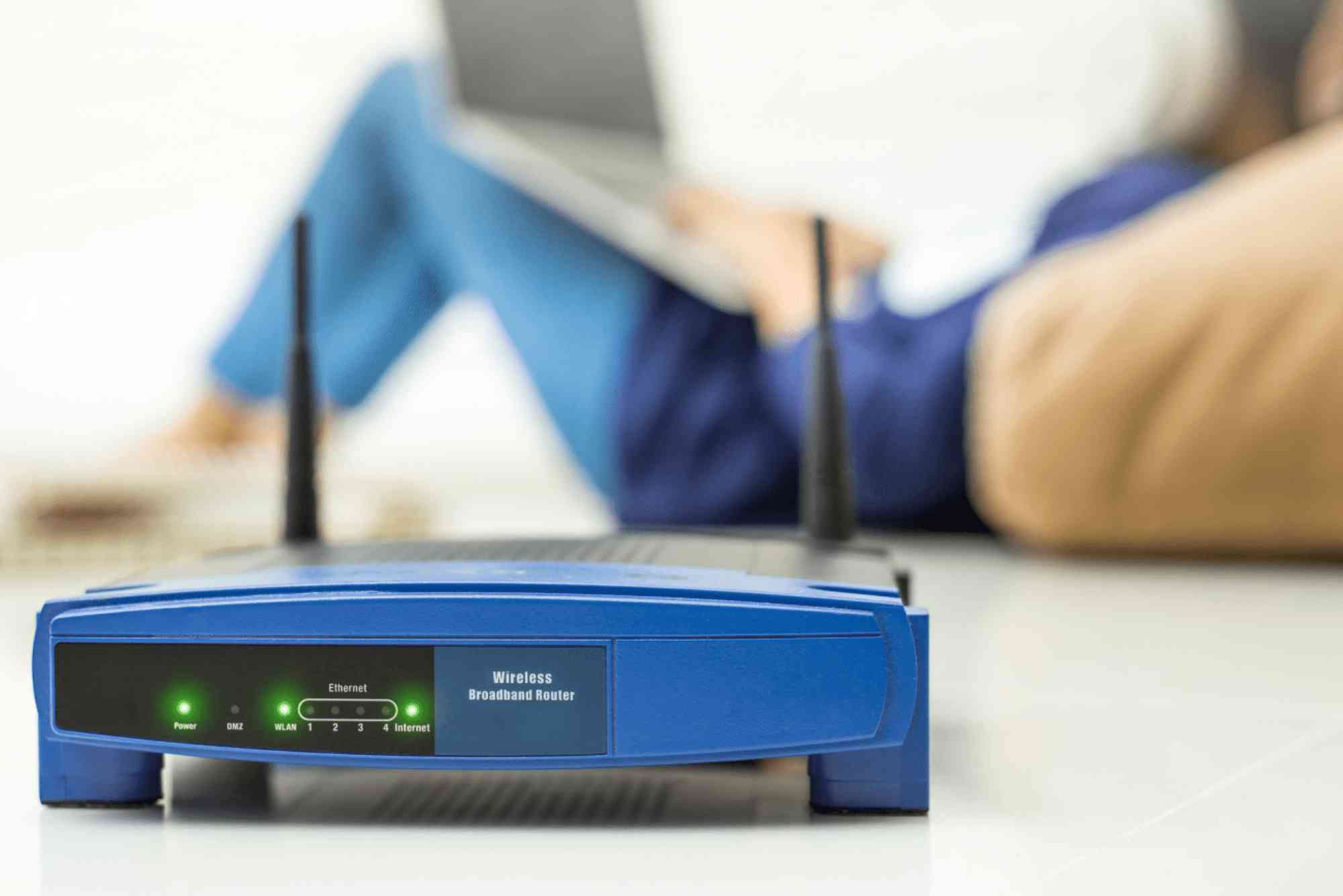
One of the simplest ways to fix Wi-Fi limited access Windows 10 is by restarting. Power cycling your router, modem, and computer clears temporary bugs. Shut down your computer, turn off your router and modem, wait at least 30 seconds, then power everything back on. This process forces your system to request a fresh IP address from your internet service provider, which often resolves the issue.
Updating Wireless Network Drivers
Outdated or corrupted drivers are one of the most common reasons behind Wi-Fi issues in Windows 10. Drivers act as the communication bridge between your hardware and the operating system. If your wireless adapter driver is old or incompatible, it can cause limited connectivity. To resolve this, open the Device Manager, find your network adapter under “Network Adapters,” right-click it, and choose “Update driver.” You can allow Windows to search automatically for updates, or you can manually download the latest driver from your device manufacturer’s website. Installing the newest driver version significantly improves stability and reduces errors.
Resetting the TCP/IP Stack
Windows networking relies on a set of protocols, including TCP/IP, to establish communication with the internet. If these protocols become corrupted, you might face connectivity issues. Resetting them can fix Wi-Fi limited access Windows 10 quickly. To do this, open Command Prompt as an administrator and type the following commands, pressing Enter after each:
“netsh int ip reset” and “netsh winsock reset.” Restart your computer, and your internet connection should refresh with clean settings.
Configuring IP and DNS Settings
Sometimes, limited access occurs because your computer is not receiving a valid IP address. Open your Wi-Fi adapter’s properties, select Internet Protocol Version 4 (TCP/IPv4), and ensure both “Obtain an IP address automatically” and “Obtain DNS server address automatically” are selected. This setting allows your system to fetch the correct configuration from your router. Alternatively, you can try using Google’s public DNS servers (8.8.8.8 and 8.8.4.4) for faster and more stable connectivity.
Disabling and Re-Enabling the Wireless Adapter
Another quick fix involves disabling and re-enabling your Wi-Fi adapter. This essentially refreshes the network interface. Go to Control Panel, navigate to Network and Sharing Center, select “Change adapter settings,” right-click your wireless connection, and choose “Disable.” Wait a few seconds, then right-click again and select “Enable.” This can reestablish a proper link to your network.
Adjusting Power Management Settings
Windows 10 has aggressive power-saving features that sometimes interfere with Wi-Fi adapters. By default, the operating system may turn off your wireless adapter to conserve battery, leading to limited access errors. To prevent this, go to Device Manager, right-click your Wi-Fi adapter, select “Properties,” and open the Power Management tab. Uncheck the option “Allow the computer to turn off this device to save power.” This ensures your adapter stays active at all times.
Checking Router Firmware and Settings
The problem may not always lie within your computer. Outdated router firmware or misconfigured settings can also cause Wi-Fi interruptions. Visit your router’s settings page by typing its IP address (commonly 192.168.1.1) into a browser. Log in with your admin credentials and check for firmware updates. Updating your router improves performance and compatibility with Windows 10. You should also ensure that DHCP is enabled, which allows devices to receive IP addresses automatically.
Running the Windows Network Troubleshooter
Windows 10 includes a built-in troubleshooter that can automatically detect and fix common Wi-Fi problems. To use it, go to Settings, select “Update & Security,” and open the Troubleshoot menu. Under “Internet Connections,” click “Run the troubleshooter.” Windows will analyze your network and apply quick fixes, such as resetting adapters or renewing IP addresses. While this tool is not always perfect, it often provides useful insights into the root cause.
Preventing Future Connectivity Issues
After fixing the problem, it is essential to maintain a stable and reliable connection. Regularly update both your operating system and drivers to avoid compatibility issues. Restart your router occasionally to refresh its cache and prevent overloading. You can also improve stability by placing your router in a central location away from interference sources like microwaves or Bluetooth devices. If your internet service provider offers advanced support, consider upgrading your plan or equipment for smoother browsing.
When to Contact Your ISP
Sometimes, no matter how many solutions you try, the issue persists. This often means the problem is with your internet service provider rather than your system. If your router shows no internet signal or multiple devices in your home cannot connect, it is best to contact your provider’s support team. They can check for outages in your area, reset your line remotely, or guide you through advanced troubleshooting. Choosing a reliable provider also reduces the chances of frequent downtime. Many users find stable and affordable packages through Dhanote Internet Services, which specializes in providing dependable internet connectivity with responsive support.
Dealing with connectivity issues can be frustrating, especially when you need stable internet for work, study, or entertainment. The good news is that you can fix Wi-Fi limited access Windows 10 by following practical steps like updating drivers, resetting network protocols, adjusting power settings, or refreshing your router. In most cases, these solutions restore your connection quickly and effectively. However, if the problem lies with your internet service provider, contacting them directly is the best way forward. Reliable providers such as Dhanote Internet Services can make a significant difference in ensuring uninterrupted online access. A stable internet connection is essential in today’s digital world. By taking proactive steps and using trusted service providers, you can avoid future disruptions and enjoy seamless connectivity.
FAQs
Why does my Windows 10 laptop say limited access Wi-Fi?
This usually happens due to incorrect IP settings, outdated drivers, or temporary router issues. Your device connects to the router but cannot reach the internet.
How do I fix limited access Wi-Fi permanently?
To prevent recurring problems, keep your drivers updated, use automatic IP/DNS settings, and update your router firmware regularly.
Can antivirus or firewall cause Wi-Fi limited access?
Yes, overly strict firewall rules or antivirus settings can block network connections. Temporarily disabling them helps confirm if they are the cause.
Does resetting my router fix limited Wi-Fi access?
In many cases, yes. Resetting clears temporary glitches and forces your system to reconnect with fresh settings.
Is there a quick shortcut to fix Wi-Fi limited access on Windows 10?
Running the built-in Windows Network Troubleshooter is the fastest option, as it automatically applies several quick fixes.