How to Troubleshoot Fiber Optic Internet Outages
Fiber optic internet is renowned for its speed and reliability. However, outages can still happen due to physical damage, hardware failures, or service provider issues. Understanding fiber optic internet outage troubleshooting can save you time, reduce frustration, and restore connectivity efficiently. This guide covers practical steps, from identifying the cause to resolving the issue.
Understanding Fiber Optic Internet
Fiber optic internet transmits data using light through thin glass fibers. Unlike copper connections, fiber offers faster speeds, lower latency, and more reliable performance. Yet, even fiber can face disruptions caused by:
-
Physical cable damage
-
Hardware malfunctions
-
Service interruptions from your ISP
-
Environmental factors, like storms or construction
Knowing these common causes helps pinpoint problems faster.
Signs of a Fiber Optic Internet Outage
Identifying an outage quickly allows for effective troubleshooting. Common signs include:
Sudden Loss of Connectivity
Your devices cannot connect to the internet despite proper configuration.
Slow or Fluctuating Speeds
Frequent buffering or delays in loading websites indicate partial network issues.
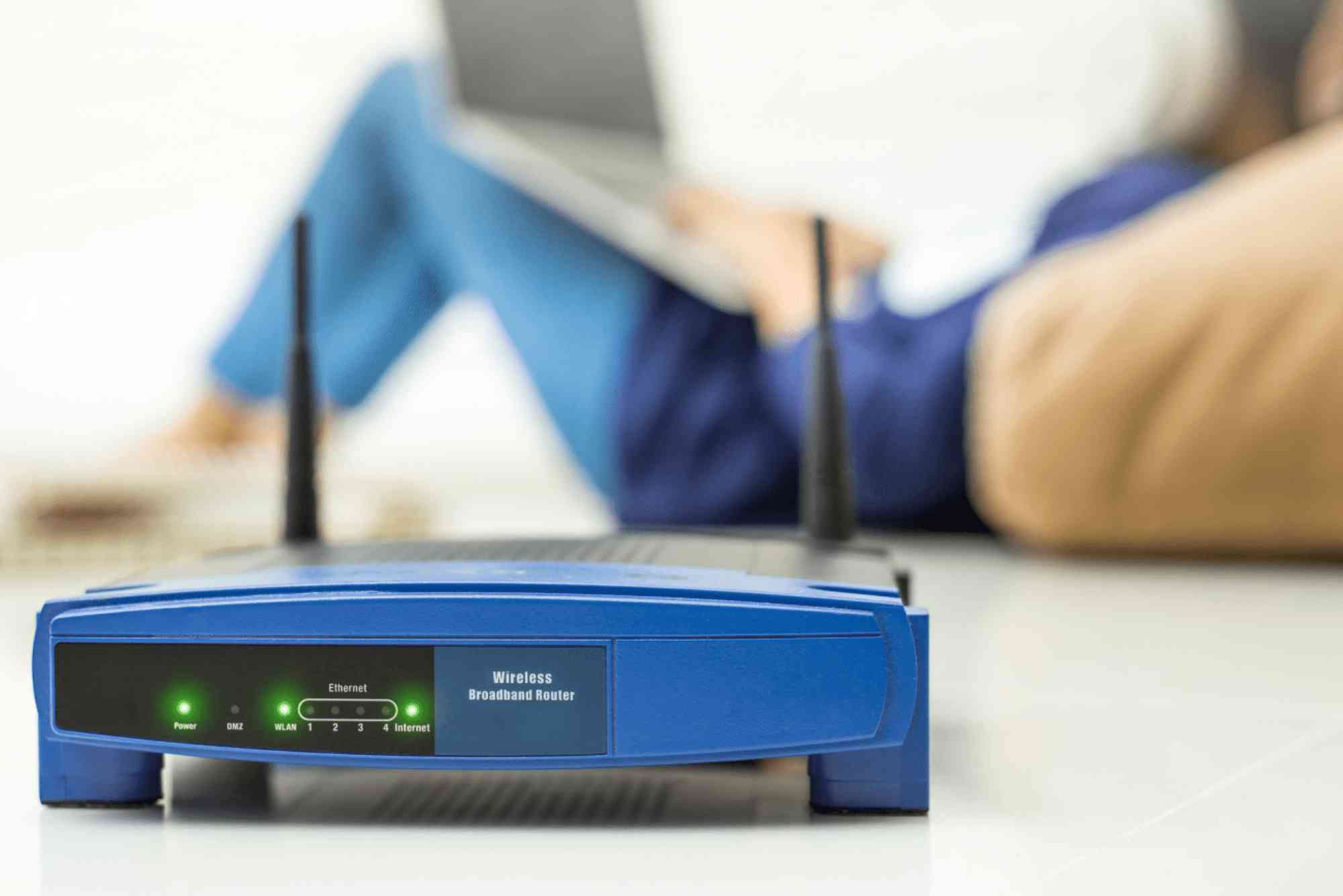
Signal Light Indicators on Modem or Router
Red or blinking lights often signify line interruptions or hardware faults.
Connectivity Only in Certain Devices
If only some devices work, the issue may be local rather than network-wide.
Fiber Optic Internet Outage Troubleshooting Steps
Here’s a step-by-step approach to diagnosing and fixing fiber optic internet issues.
Check Physical Connections
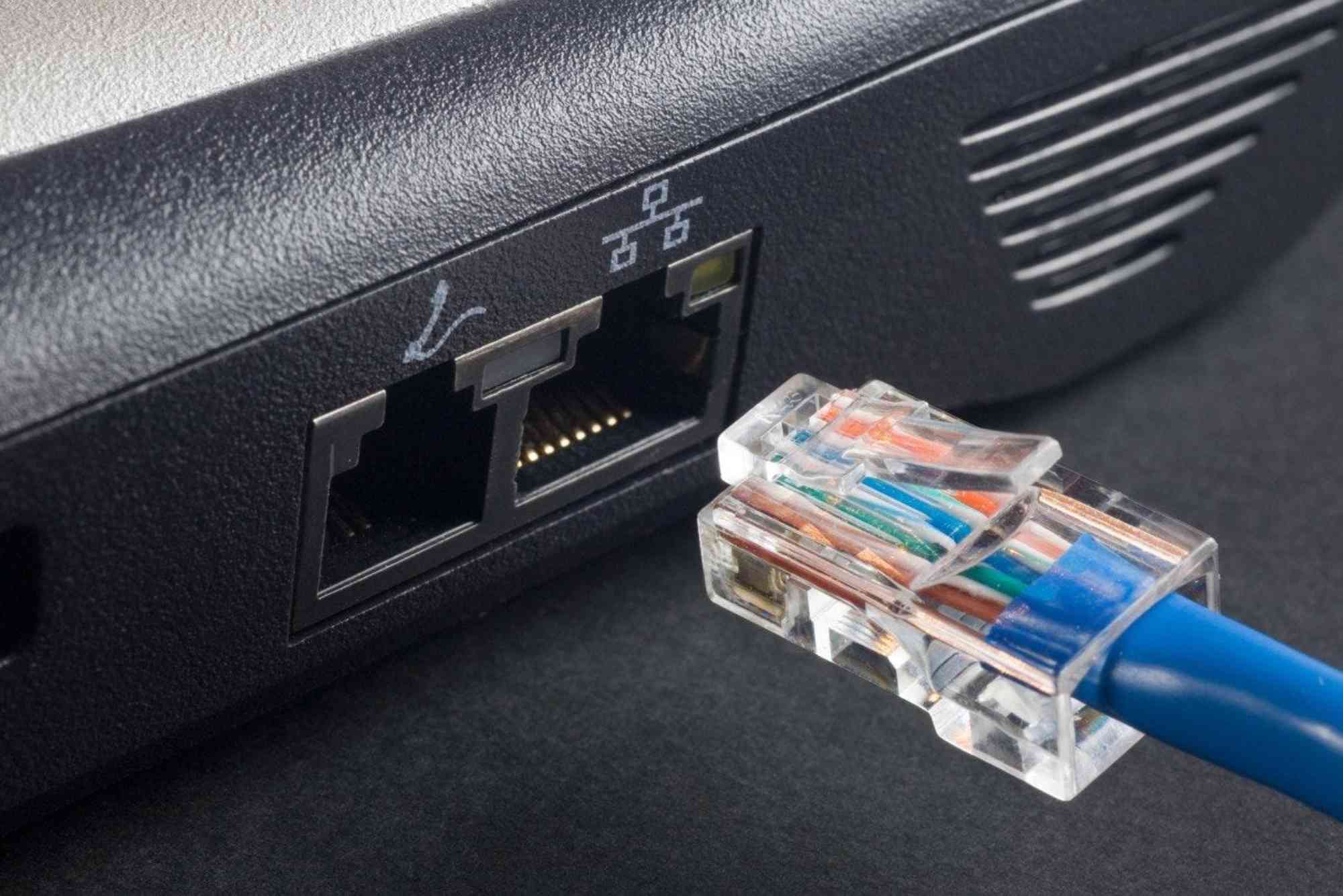
Start with the basics. Examine all fiber cables and connectors for:
-
Kinks, cuts, or frays
-
Loose connections at the router or ONT (Optical Network Terminal)
-
Dust or dirt on connectors that can disrupt the light signal
Properly reseating the cables can sometimes restore connectivity immediately.
Restart Your Equipment
Power cycling often resolves temporary glitches. Follow these steps:
-
Turn off your modem, router, and ONT.
-
Wait for 30–60 seconds.
-
Turn the devices back on, starting with the ONT, then the modem and router.
This refreshes the network and clears temporary faults.
Check Service Provider Status
Outages can occur due to maintenance or unexpected network issues. Visit your ISP’s website or contact customer support. Many providers offer real-time outage maps.
-
For local connectivity, Dhanote Internet Services can provide quick status updates and guidance.
Test Your Network
Use speed tests or ping commands to check connectivity. A sudden drop in speed or repeated timeouts may indicate:
-
Network congestion
-
Faulty fiber lines
-
Equipment issues
This helps determine if the problem is internal or ISP-related.
Inspect Network Hardware
Sometimes, the problem lies in your router or ONT:
-
Check for firmware updates
-
Reset your device to factory settings if needed
-
Replace aging equipment
High-quality fiber-compatible routers ensure consistent performance.
Look for External Interferences
Although rare for fiber, extreme weather or construction work can damage cables. Inspect visible lines for:
-
Cracks or bends
-
Signs of rodent damage
-
Nearby construction zones
If damage is suspected, notify your ISP immediately.
Use Backup Internet Solutions
While troubleshooting, maintain productivity by using:
-
Mobile hotspots
-
Secondary broadband connections
-
Local Wi-Fi networks
This ensures you remain connected until the fiber issue is resolved.
Preventing Future Fiber Optic Internet Outages
Regular maintenance and precautions reduce the risk of future disruptions. Consider:
-
Keeping equipment dust-free
-
Avoiding unnecessary bending of fiber cables
-
Scheduling periodic router firmware updates
-
Using surge protectors to prevent electrical damage
Preventive measures save time and reduce frustration during unexpected outages.
FAQs About Fiber Optic Internet Outages
What causes a fiber optic internet outage?
Outages are usually caused by physical cable damage, ISP maintenance, hardware failures, or environmental factors.
How long do fiber optic outages last?
Outages can last from a few minutes to several hours depending on the issue and response from the ISP.
Can I fix a fiber outage myself?
Minor issues like loose cables or power cycling can be resolved at home. Severe damage requires ISP intervention.
How do I know if it’s my equipment or the ISP?
Test multiple devices and check your ISP’s outage map. Persistent problems across all devices indicate ISP-related issues.
Does weather affect fiber internet?
Fiber is generally resilient, but severe storms, flooding, or construction-related disruptions can cause outages.
Fiber optic internet is fast and reliable, but outages can happen. By following fiber optic internet outage troubleshooting steps, you can quickly identify and resolve issues. From checking cables to contacting your ISP, these tips help restore connectivity efficiently.
For reliable and professional support in managing fiber internet issues, contact Dhanote Internet Services to ensure uninterrupted internet performance.