Complete Reliability Comparison: Cable Internet vs DSL
Understanding the true difference in cable internet vs DSL reliability is essential for anyone choosing a stable home connection. Many households rely on the internet for work, entertainment, and online learning, so selecting the right service can prevent frustration later. This guide explains how each technology performs, where each one shines, and which option fits different users. You will find real-world insights, expert explanations, and practical recommendations to help you make a confident choice.
What Makes Cable Internet Different?
How Cable Networks Operate
Cable internet runs through the same coaxial lines used for cable TV. These lines support high bandwidth and allow faster speeds than traditional DSL. Because the system carries strong signals, most users enjoy consistent performance in normal conditions.
Strengths of Cable Internet Reliability
Cable connections offer stable speeds during off-peak hours. The infrastructure supports heavy usage, making it a preferred choice for streaming, cloud work, and online gaming. The network is also better at managing simultaneous data transfers.
Weaknesses of Cable Internet Reliability
Cable lines are shared among households in the same area. This means reliability can drop during peak evening hours. If many neighbors stream or download large files, speeds may temporarily slow down. Weather rarely affects coaxial cables, but local congestion remains a major factor.
What Makes DSL Internet Different?
How DSL Networks Work
DSL uses existing telephone lines to deliver internet service. Since these lines are dedicated per household, users do not compete with their neighbors for bandwidth. The distance from the provider’s central office is the biggest factor affecting reliability.
Strengths of DSL Reliability
DSL provides consistent performance because of its dedicated line structure. Peak-hour slowdowns are rare. The connection works well for basic browsing, online meetings, and moderate streaming. Users living closer to the service hub often experience excellent stability.
Weaknesses of DSL Reliability
DSL struggles with long distances. If you live far from the central office, speeds and reliability drop sharply. The technology is also older and cannot support the high speeds available through cable. It works, but it is not designed for power users.
Cable Internet vs DSL Reliability: Head-to-Head Comparison
Speed Stability
Cable internet delivers higher speeds, but stability changes based on neighborhood usage. DSL offers lower speeds but more predictable performance if you live near the provider hub.
Peak-Hour Performance
Cable suffers during peak times because of shared bandwidth. DSL maintains stable performance because each line is private.
Weather and Environmental Impact
Both technologies are generally weather-resistant. Cable performs slightly better due to stronger coaxial cables. DSL can experience interference if telephone lines are old or not well maintained.
Reliability for Remote Work and Learning
Cable internet is better for high-bandwidth tasks like video conferencing, file transfers, and cloud storage. DSL supports basic tasks but may struggle with multiple users.
Reliability for Smart Homes and Streaming
Cable supports more devices at once due to its higher capacity. DSL works for small households but not for smart homes with many devices.
Factors That Affect Your Real-World Reliability
Provider Infrastructure Quality
Some providers upgrade their cable and DSL networks regularly, while others rely on older equipment. Choosing a reputable local provider such as Dhanote Internet Services can improve performance, regardless of the technology.
Neighborhood Usage Levels
For cable, heavy area usage affects reliability. For DSL, distance from the central office determines performance.
Your In-Home Network Setup
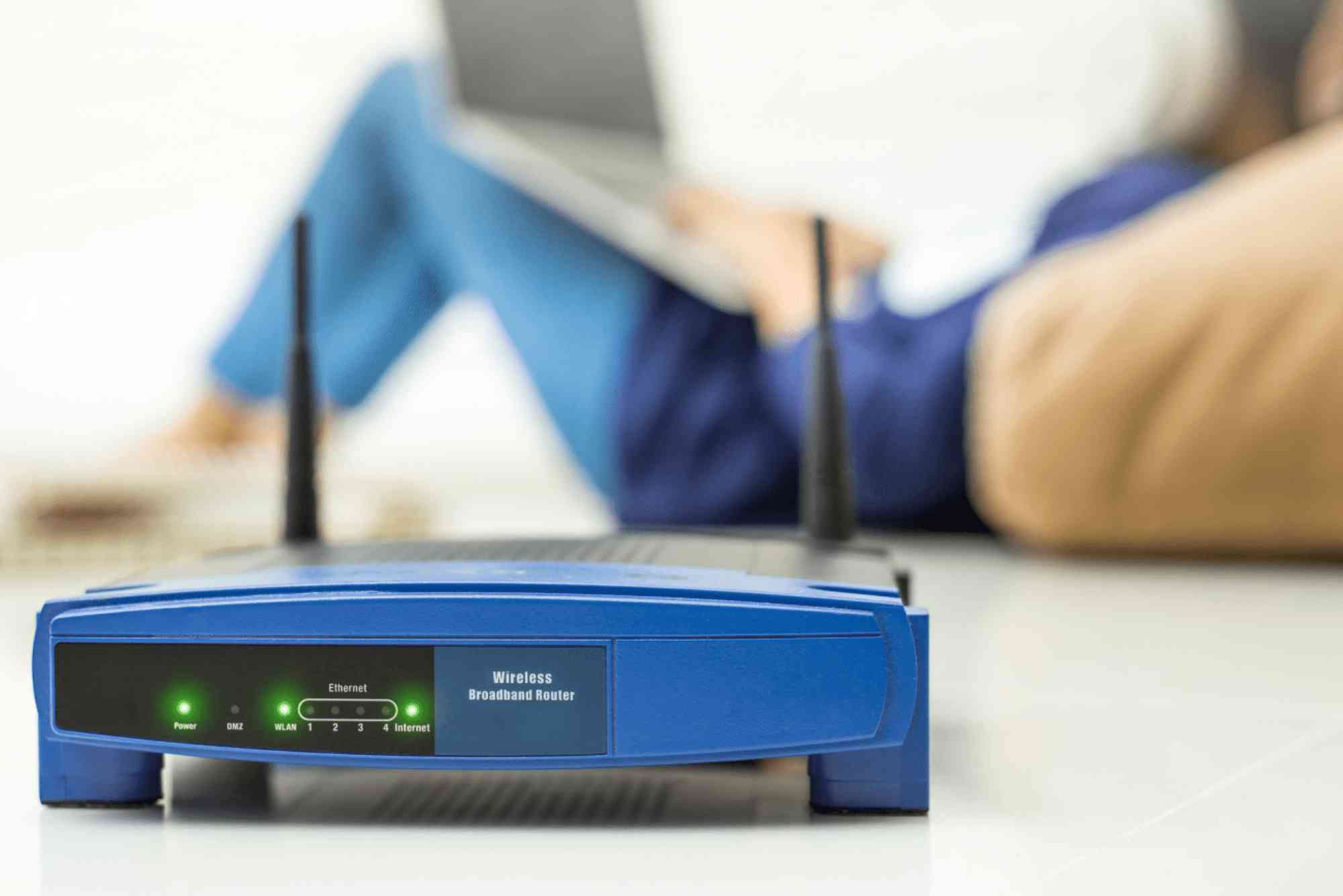
A modern modem, high-quality router, and proper placement dramatically improve reliability for both cable and DSL.
Age of Local Wiring
Older telephone cables harm DSL performance. Damaged coaxial lines harm cable performance. Upgrading wiring can improve reliability for both.
Which One Is More Reliable for You?
Cable Internet is More Reliable If:
-
You need high-bandwidth performance
-
Multiple users stream or game
-
You use many smart home devices
-
You rely on cloud tools for work
DSL Internet is More Reliable If:
-
You live alone or in a small household
-
You want stable performance during peak hours
-
You live close to a telephone company hub
-
You prioritize predictable speeds over high speeds
Expert Insights on Cable Internet vs DSL Reliability
Real-World Performance Observations
In many urban and suburban areas, cable internet is overall more reliable due to modern infrastructure and higher bandwidth. However, rural regions sometimes see more stable results from DSL because congestion is lower and lines are dedicated.
Long-Term Reliability Trends
Cable networks continue to receive upgrades, while DSL is being phased out in many regions. This shift means cable reliability is improving over time while DSL reliability remains limited by aging infrastructure.
Tips to Improve Your Internet Reliability
Optimize Your Router Placement
Place the router in the center of your home to improve signal strength and reduce interference.
Use Wired Connections for Important Devices
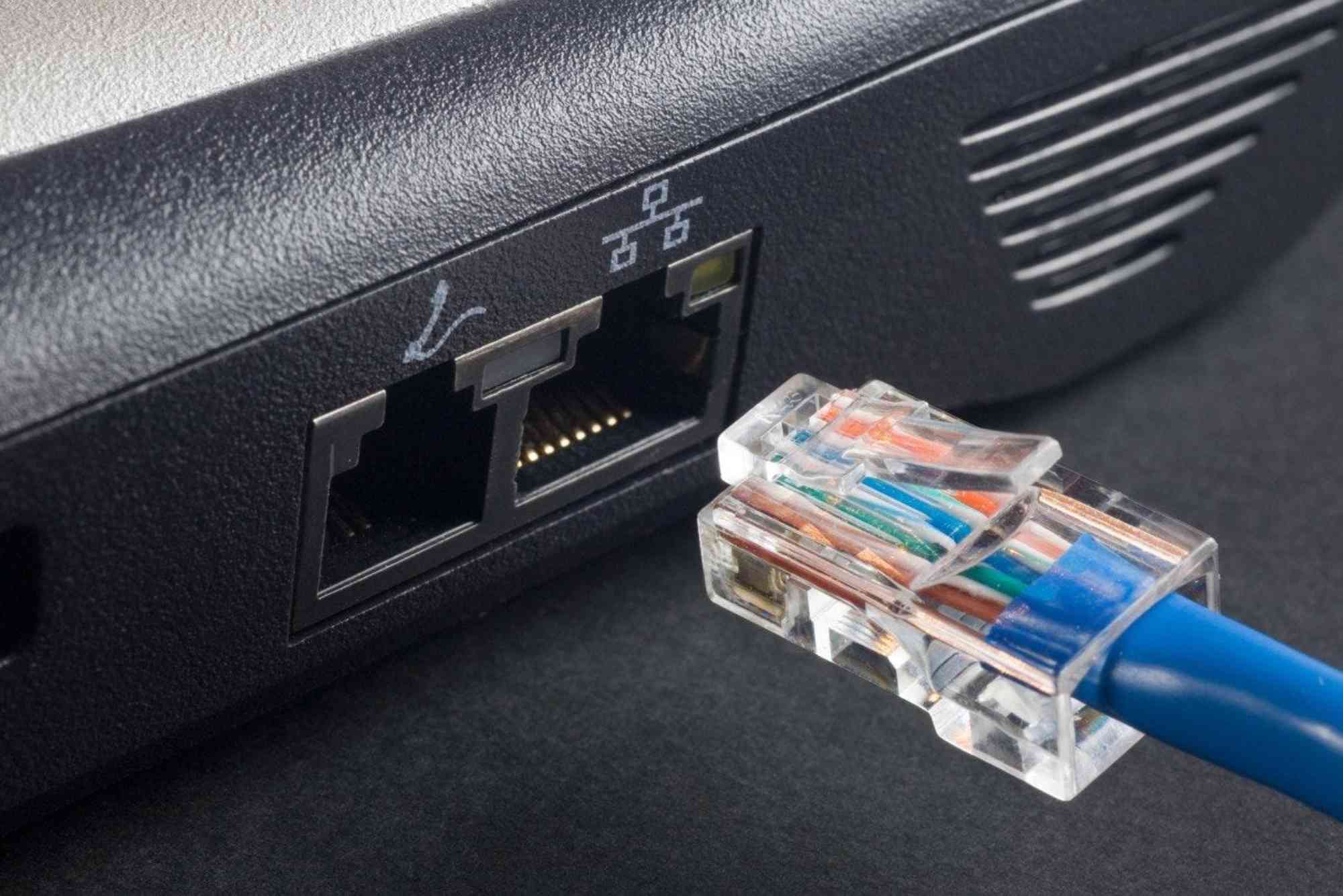
Ethernet provides the most reliable connection for desktops, TVs, and gaming consoles.
Upgrade Your Modem and Router
Modern devices support better speeds and stability, improving cable and DSL performance.
Contact Your Provider for Line Testing
Providers can identify noise, signal loss, or wiring issues that affect performance.
FAQs About Cable Internet vs DSL Reliability
Is cable more reliable than DSL?
In most locations, cable is more reliable due to higher bandwidth and modern infrastructure. However, DSL may be more stable during peak hours because it uses dedicated lines.
Why does my cable internet slow down at night?
Cable networks are shared among neighbors. When many users are online at the same time, congestion causes temporary slowdowns.
Is DSL good for working from home?
Yes, DSL works for basic remote work tasks like email or meetings. But heavy tasks like cloud backups or large uploads may perform better on cable.
Which option is better for streaming?
Cable is better for HD and 4K streaming because it supports higher speeds and more devices.
Will DSL disappear in the future?
Many providers are slowly phasing out DSL due to older infrastructure and limited speed capacity.
Choosing the Most Reliable Internet for Your Needs
In the debate of cable internet vs DSL reliability, each technology serves different types of users. Cable offers higher speeds and better performance for modern digital lifestyles, while DSL provides predictable stability for light or moderate use. By assessing your household needs, neighborhood conditions, and provider quality, you can make a clear and confident decision.
If you want a dependable local provider with consistent performance, consider contacting Dhanote Internet Services for more information. A reliable connection starts with the right service partner.