How Bluetooth Interference Affects Wi-Fi & How to Fix It
The modern digital lifestyle depends heavily on wireless technology. From smartphones and smart TVs to wireless headphones and gaming consoles, most of our devices connect through Wi-Fi and Bluetooth. Both technologies are incredibly useful, but they don’t always play nicely together. Many users face a frustrating issue known as Bluetooth interference with Wi-Fi, which can cause slow connections, buffering, and even frequent disconnections.
Understanding Bluetooth and Wi-Fi Frequencies
Both Bluetooth and Wi-Fi use radio waves to transmit data. Wi-Fi commonly operates on two frequency bands: 2.4 GHz and 5 GHz. Bluetooth, on the other hand, primarily works within the 2.4 GHz frequency range. Because they share the same band, interference can occur when multiple devices are operating simultaneously.
This interference isn’t always obvious. You might notice your wireless headphones crackling when you stream a movie, or your internet slowing down when a Bluetooth speaker is active. The overlapping frequencies are often the culprit.
How Bluetooth Interference Affects Wi-Fi
Bluetooth interference doesn’t always completely shut down your connection, but it can significantly degrade performance. Here are some of the most common issues you may face:
Slow Internet Speeds
When Bluetooth signals overlap with Wi-Fi, your device may struggle to maintain stable data transfer. This results in reduced browsing and streaming speeds.
Frequent Disconnections
Gamers and remote workers often complain about sudden Wi-Fi drops when using Bluetooth devices like keyboards, mice, or headsets. This is caused by packets of data colliding and failing to reach their destination.
Audio and Video Lag
Bluetooth headphones connected during video calls or streaming can cause lag, delay, or desynchronization between audio and video if Wi-Fi interference is high.
Network Congestion
In crowded environments with many wireless devices, interference worsens, causing your Wi-Fi to become unstable. This is common in offices, apartments, and shared living spaces.
Why Bluetooth Interference Happens
To solve the problem, it’s important to understand why interference occurs. A few key reasons include:
Shared Frequency Range
The most significant reason is that both Wi-Fi and Bluetooth operate in the 2.4 GHz band. With multiple devices trying to use the same frequency, signal overlap occurs.
Limited Bandwidth
While Wi-Fi is designed for heavy data transfer, Bluetooth was developed for short-range, low-energy communication. This mismatch often creates congestion when both are active.
Device Proximity
Placing Bluetooth devices close to your Wi-Fi router can amplify interference. For example, a Bluetooth speaker beside your router may cause connection issues.
Outdated Technology
Older routers and Bluetooth devices don’t have advanced features to minimize interference. Upgrading to modern hardware often helps resolve the problem.
How to Fix Bluetooth Interference with Wi-Fi
The good news is that you don’t have to live with poor connectivity. There are several effective solutions to minimize or eliminate Bluetooth interference with Wi-Fi.
Switch to 5 GHz Wi-Fi
Most modern routers offer dual-band Wi-Fi, meaning you can connect to the 5 GHz band. Since Bluetooth only operates in 2.4 GHz, switching to 5 GHz eliminates direct competition.
Reposition Your Devices
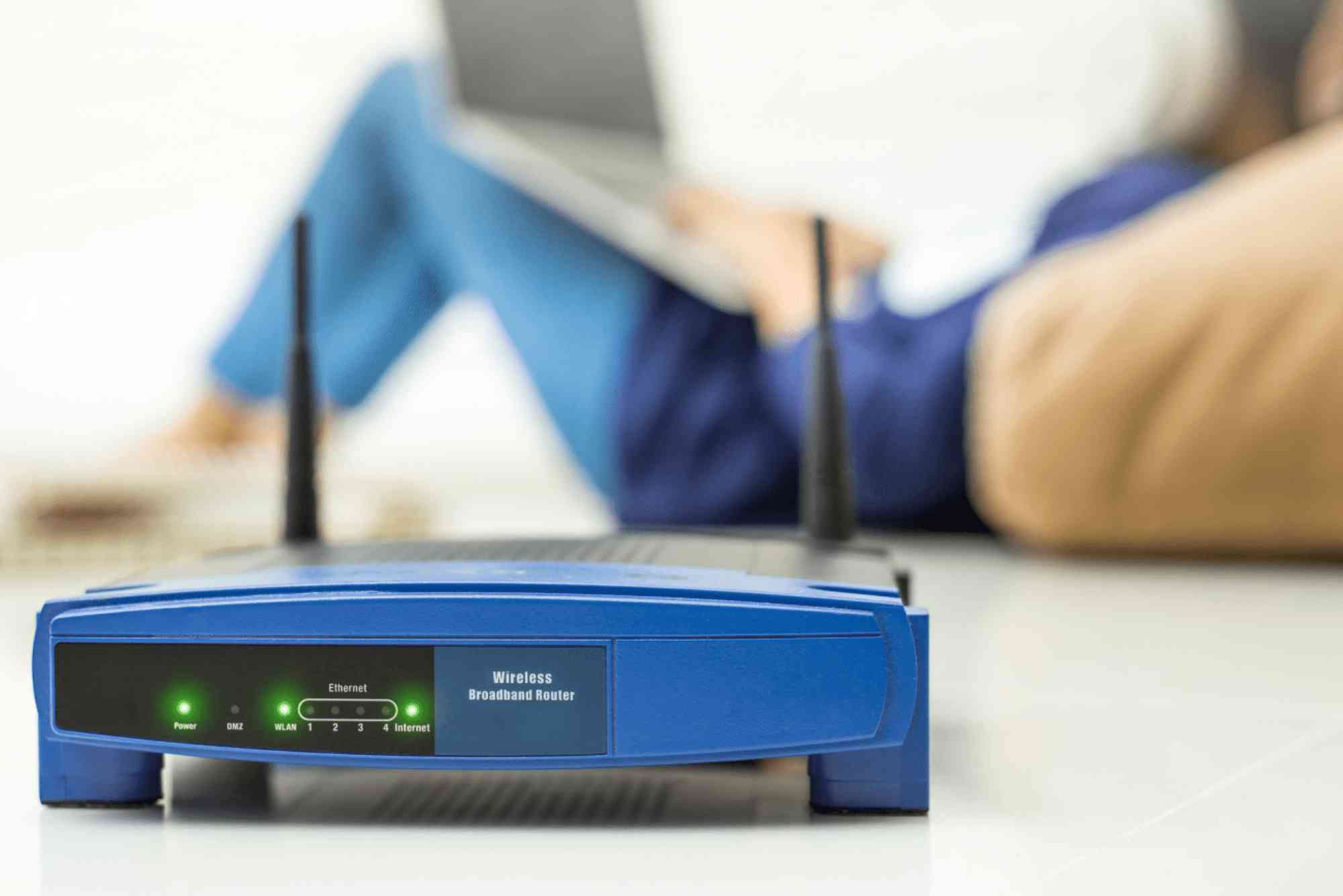
Keeping your router away from Bluetooth devices reduces interference. Ideally, place your router in an open space, elevated, and far from other electronics.
Use Wired Options When Possible
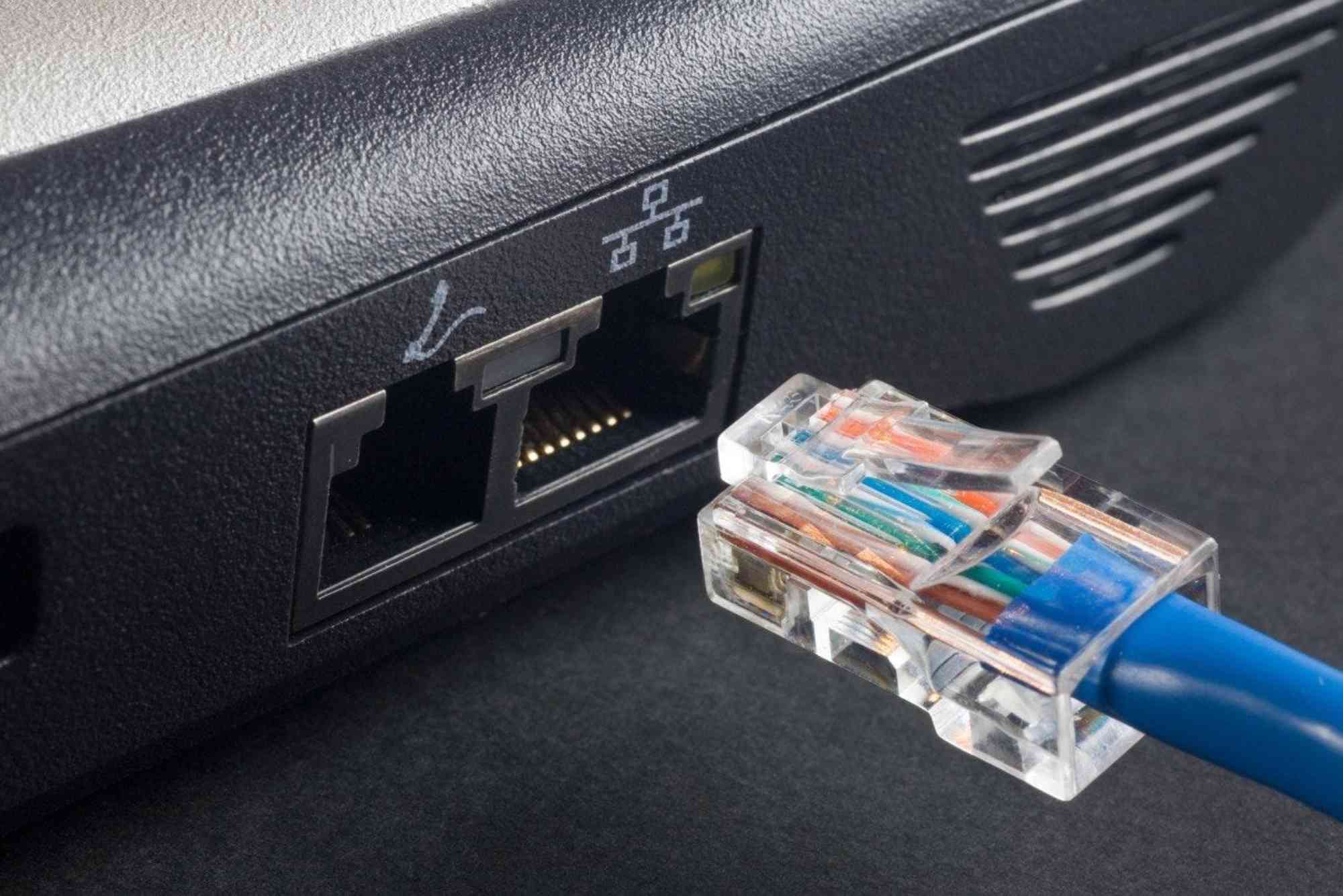
For activities that demand stability, such as gaming or video conferencing, consider using a wired connection. Ethernet eliminates interference entirely.
Update Firmware
Manufacturers frequently release updates that optimize performance and reduce interference. Keeping your router and Bluetooth device firmware up to date is essential.
Use Bluetooth 5.0 or Later
Bluetooth 5.0 and newer versions are designed to handle interference more effectively. If you’re using older Bluetooth devices, consider upgrading.
Enable Quality of Service (QoS)
Many routers include QoS settings that allow you to prioritize specific traffic. For example, you can give priority to streaming or video calls to reduce disruption from Bluetooth activity.
Reduce the Number of Active Devices
Too many Bluetooth and Wi-Fi devices in use simultaneously can cause congestion. Limiting active devices helps maintain smoother performance.
Choose Wi-Fi Channels Manually
Routers usually select Wi-Fi channels automatically, but interference can still occur. Manually switching your router to a less congested channel often improves performance.
Shield Devices
In rare cases, adding physical shielding like a Wi-Fi extender in another room can help isolate signals and minimize overlap.
Real-Life Example: When Bluetooth Collides with Wi-Fi
Consider a typical home setup. You’re streaming Netflix on your smart TV over Wi-Fi while wearing Bluetooth headphones. At the same time, your partner is using a Bluetooth mouse and keyboard on a laptop. All these devices are competing for the same 2.4 GHz space.
The result? Your streaming may buffer, your headphones may lag, and your partner might face delays in typing response. Switching the TV and laptop to 5 GHz Wi-Fi can instantly resolve most of these problems.
Long-Term Solutions to Avoid Bluetooth Interference
Invest in a Dual-Band or Tri-Band Router
Dual-band routers allow you to split devices between 2.4 GHz and 5 GHz. Tri-band routers go further by adding an extra band, reducing congestion even more.
Opt for Mesh Wi-Fi Systems
If you live in a large home, a mesh Wi-Fi system provides seamless coverage while minimizing interference by intelligently distributing traffic across nodes.
Professional Internet Services
Sometimes, technical adjustments aren’t enough, and professional help is necessary. Providers such as Dhanote Internet Services offer reliable solutions tailored to your connectivity needs. Choosing a dependable service provider ensures consistent performance even in high-demand environments.
Say Goodbye to Interference
Bluetooth and Wi-Fi are both essential for our daily digital lives, but their shared frequency can create performance issues. Understanding how Bluetooth interference with Wi-Fi occurs allows you to take effective steps to fix it.
From switching to 5 GHz and repositioning devices to upgrading your router and using fewer active connections, the solutions are simple yet powerful. And if your needs go beyond quick fixes, working with a reliable provider like Dhanote Internet Services ensures smooth and stable connectivity. Don’t let interference hold you back. Take action today, optimize your network, and enjoy seamless wireless performance.
FAQs
Can Bluetooth slow down Wi-Fi?
Yes, Bluetooth can slow down Wi-Fi, especially when both are using the 2.4 GHz band. The interference leads to reduced speeds.
Does turning off Bluetooth improve Wi-Fi?
Turning off Bluetooth can improve Wi-Fi performance in congested areas. However, switching to 5 GHz Wi-Fi is usually a better long-term solution.
Why do my Bluetooth headphones disconnect my Wi-Fi?
Bluetooth headphones may cause your Wi-Fi to disconnect if both are using the 2.4 GHz frequency and there’s high interference.
Which is better for avoiding interference, 2.4 GHz or 5 GHz?
The 5 GHz band is better for avoiding interference, as it doesn’t overlap with Bluetooth frequencies.
How do I check if Bluetooth is interfering with my Wi-Fi?
If your Wi-Fi slows down or disconnects whenever you use Bluetooth devices, interference is likely the cause. Switching bands or repositioning devices can confirm it.