How to Fix Slow Wi-Fi on Your Smart TV
If you’re tired of buffering videos, frozen screens, or apps taking forever to load, you’re not alone. Many people face the problem of Wi-Fi slow on smart TV, especially when streaming movies or playing online content. The good news is that there are practical solutions to speed up your connection and enjoy seamless entertainment. This guide covers common causes of slow Wi-Fi on smart TVs and proven fixes to restore smooth performance.
Why Wi-Fi Is Slow on Smart TVs
Smart TVs depend on stable internet to stream content from platforms like Netflix, YouTube, or Hulu. When Wi-Fi slows down, it disrupts the entire experience. Several factors can cause the issue, from weak signals to outdated settings.
Common Causes of Slow Wi-Fi
-
Distance from the router can weaken the signal.
-
Multiple devices connected to the same network create congestion.
-
Outdated software or firmware on the TV may interfere with connectivity.
-
Incorrect Wi-Fi frequency bands lead to interference.
-
Background downloads or apps consume extra bandwidth.
Understanding these causes helps in applying the right fix for your smart TV.
How to Fix Wi-Fi Slow on Smart TV
There are multiple ways to resolve poor Wi-Fi speed on a smart TV. Some methods are simple adjustments, while others involve optimizing your network setup.
Restart Your Smart TV and Router
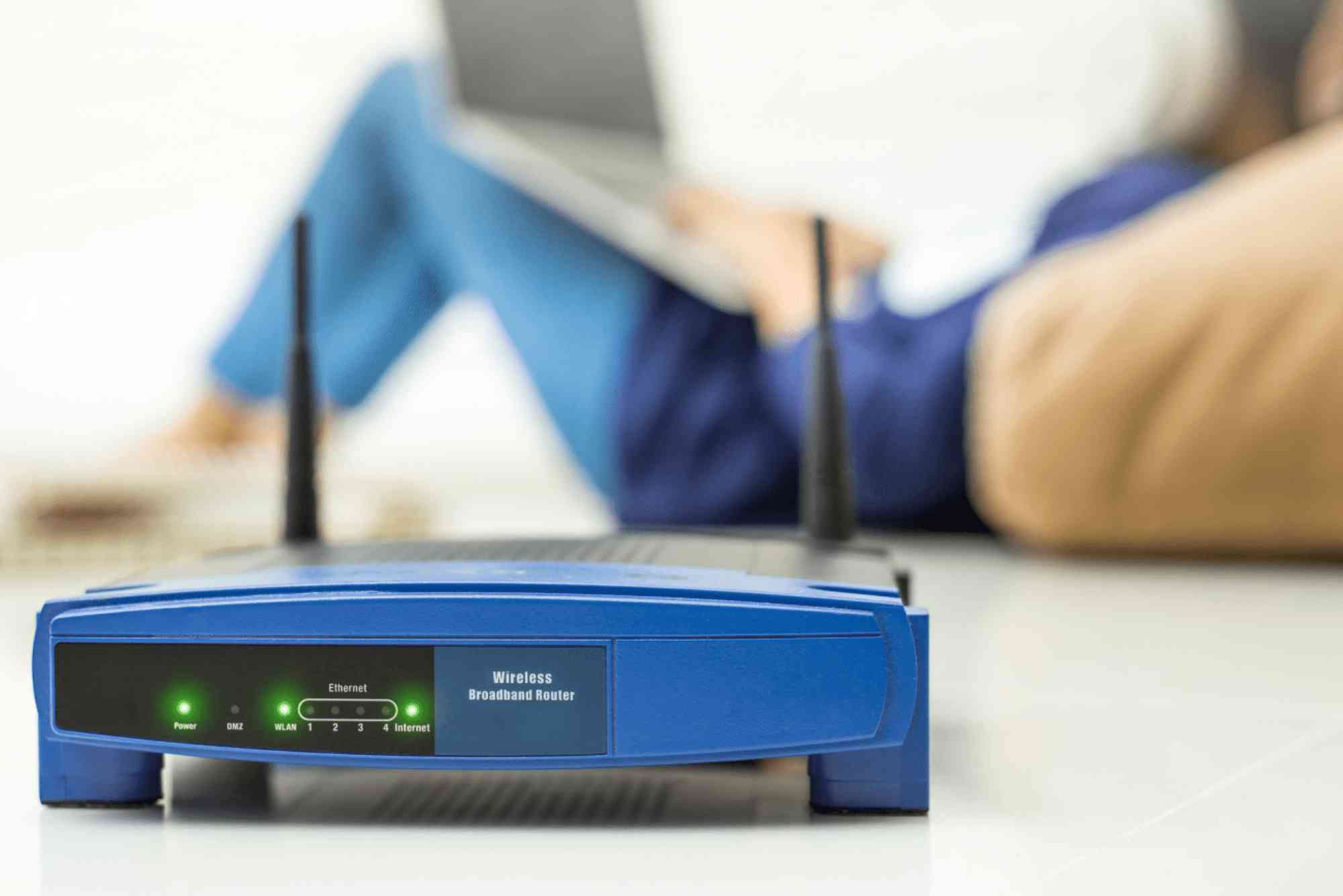
A quick restart often clears temporary glitches. Unplug both the router and your smart TV for at least 30 seconds before turning them back on. This refreshes the connection and may solve lagging issues.
Check Your Internet Speed
Sometimes the problem isn’t the TV but the internet plan itself. Run a speed test using your phone or computer. If your results show less than 10 Mbps for HD streaming or less than 25 Mbps for 4K streaming, your package may not be sufficient. Upgrading your plan with a reliable provider like Dhanote Internet Services can make a huge difference.
Move the Router Closer
Smart TVs work best when the router is nearby. Walls, floors, and furniture weaken Wi-Fi signals. If possible, place the router in the same room as the TV or at least in a central location.
Switch Wi-Fi Bands
Modern routers offer two frequency bands: 2.4 GHz and 5 GHz.
-
2.4 GHz travels farther but is slower.
-
5 GHz is faster but works better at shorter distances.
Switching your smart TV to the 5 GHz band can reduce interference and improve speed.
Update Your Smart TV Firmware
Smart TVs release firmware updates that improve connectivity and fix bugs. Go to your TV settings and check for updates. Keeping the system current ensures better compatibility with modern Wi-Fi routers.
Reduce Background Usage
When several devices use Wi-Fi at once, streaming slows down. Disconnect unused devices or pause large downloads on other gadgets while watching TV.
Use Ethernet for Stability
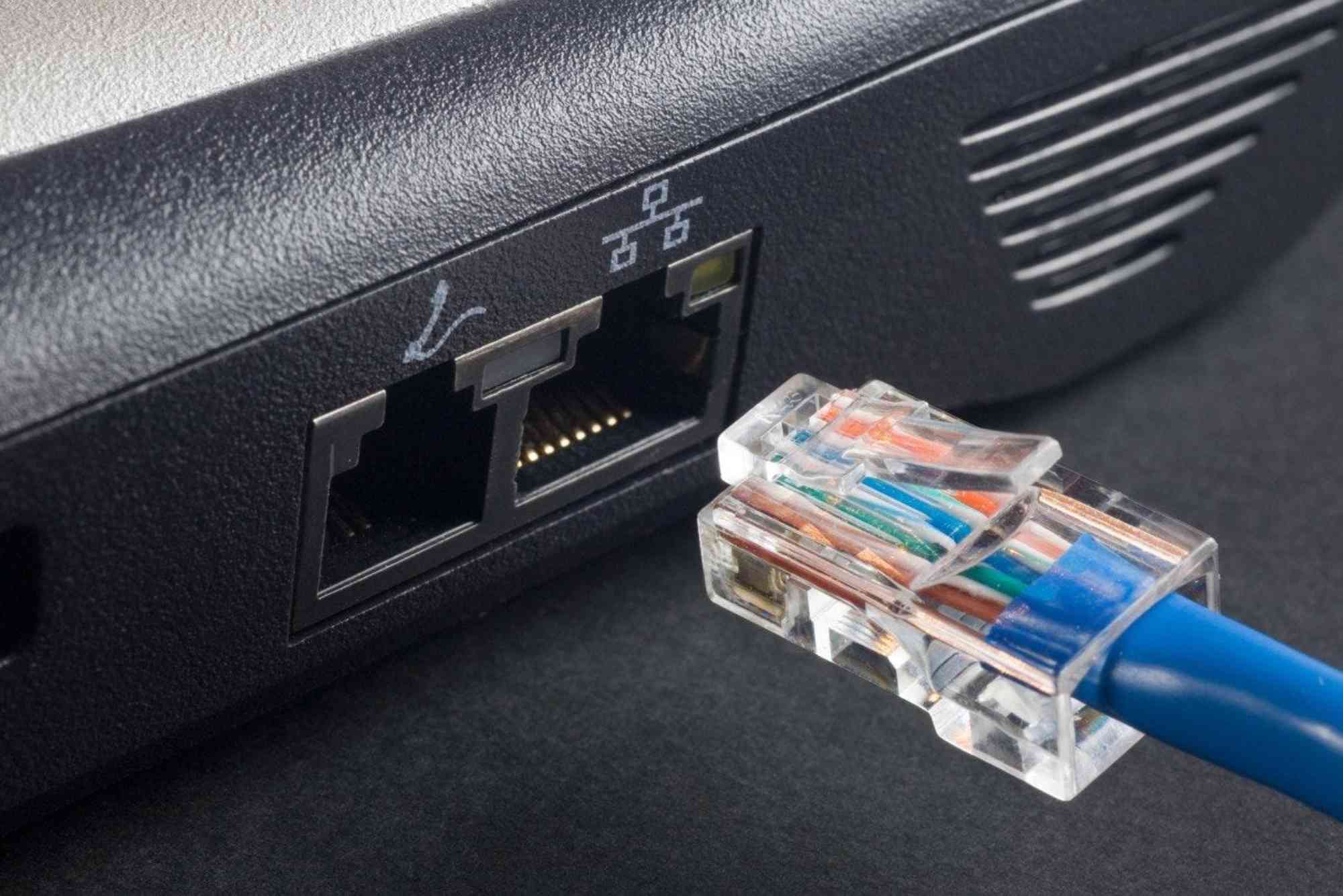
If Wi-Fi remains inconsistent, consider connecting your smart TV directly with an Ethernet cable. Wired connections are faster and more reliable, especially for 4K or live streaming.
Optimize Router Settings
Some routers allow prioritization of devices, known as Quality of Service (QoS). Enable this feature and set your smart TV as a priority device to get uninterrupted bandwidth.
Reset Network Settings
If nothing else works, reset your TV’s network settings and reconnect. This clears corrupted configurations and allows a fresh start.
Advanced Fixes for Persistent Slow Wi-Fi
Sometimes basic fixes aren’t enough, especially if you live in an area with many competing signals or use outdated equipment.
Upgrade Your Router
If your router is more than five years old, it may not support newer Wi-Fi standards. Upgrading to a dual-band or tri-band router ensures faster connections for smart TVs.
Install a Wi-Fi Extender or Mesh System
Large homes or multiple floors can weaken signals. Wi-Fi extenders or mesh systems distribute strong coverage across every room, ensuring your smart TV gets enough bandwidth.
Contact Your Internet Provider
When troubleshooting doesn’t solve the issue, contact your ISP. They can run diagnostics, adjust settings, or recommend higher bandwidth options. Providers like Dhanote Internet Services are known for offering tailored solutions to ensure smooth streaming experiences.
Preventing Wi-Fi Slowdowns on Smart TVs
Once you’ve solved the immediate issue, it’s important to maintain strong Wi-Fi for future use.
Keep Your Router Firmware Updated
Like smart TVs, routers also receive updates. Log in to the router dashboard and check regularly.
Schedule Regular Restarts
Restarting your router once a week can help prevent connection lags.
Position the Router Strategically
Avoid placing the router near microwaves, cordless phones, or thick concrete walls. These interfere with signals.
Monitor Data Usage
Streaming in 4K consumes far more data than HD. If your internet plan has limits, exceeding them may reduce speeds. Adjust streaming quality to balance performance.
Secure Your Network
Neighbors using your Wi-Fi can slow it down. Always secure your router with a strong password to prevent unauthorized access.
Enjoy Smooth Streaming Without Wi-Fi Hassles
Dealing with Wi-Fi slow on smart TV is frustrating, but it doesn’t have to ruin your entertainment. From simple restarts and firmware updates to advanced solutions like upgrading routers or using Ethernet, there are many ways to boost your TV’s performance. Consistently applying these fixes ensures smooth streaming, quick app loading, and an overall better experience.
If you’re still struggling with slow internet despite trying all solutions, it may be time to upgrade your plan. Reliable providers like Dhanote Internet Services can deliver the speed and stability your smart TV needs for uninterrupted streaming. Don’t settle for lag and buffering—take action today and enjoy flawless entertainment at home.
FAQs
Why is my smart TV Wi-Fi so slow compared to my phone?
Smart TVs often have weaker Wi-Fi antennas than phones. Distance from the router and interference can also make the TV slower.
How do I fix buffering on my smart TV?
Reduce background device usage, switch to 5 GHz Wi-Fi, update TV firmware, or use Ethernet for stable streaming.
Can a Wi-Fi booster help smart TV speed?
Yes. Wi-Fi extenders or mesh systems can strengthen the signal in areas where the router cannot reach effectively.
Should I use Ethernet instead of Wi-Fi for my smart TV?
If possible, yes. Ethernet provides a faster and more reliable connection, especially for 4K streaming.
Does updating my smart TV improve Wi-Fi performance?
Yes. Firmware updates often include bug fixes and network optimizations that improve connectivity.