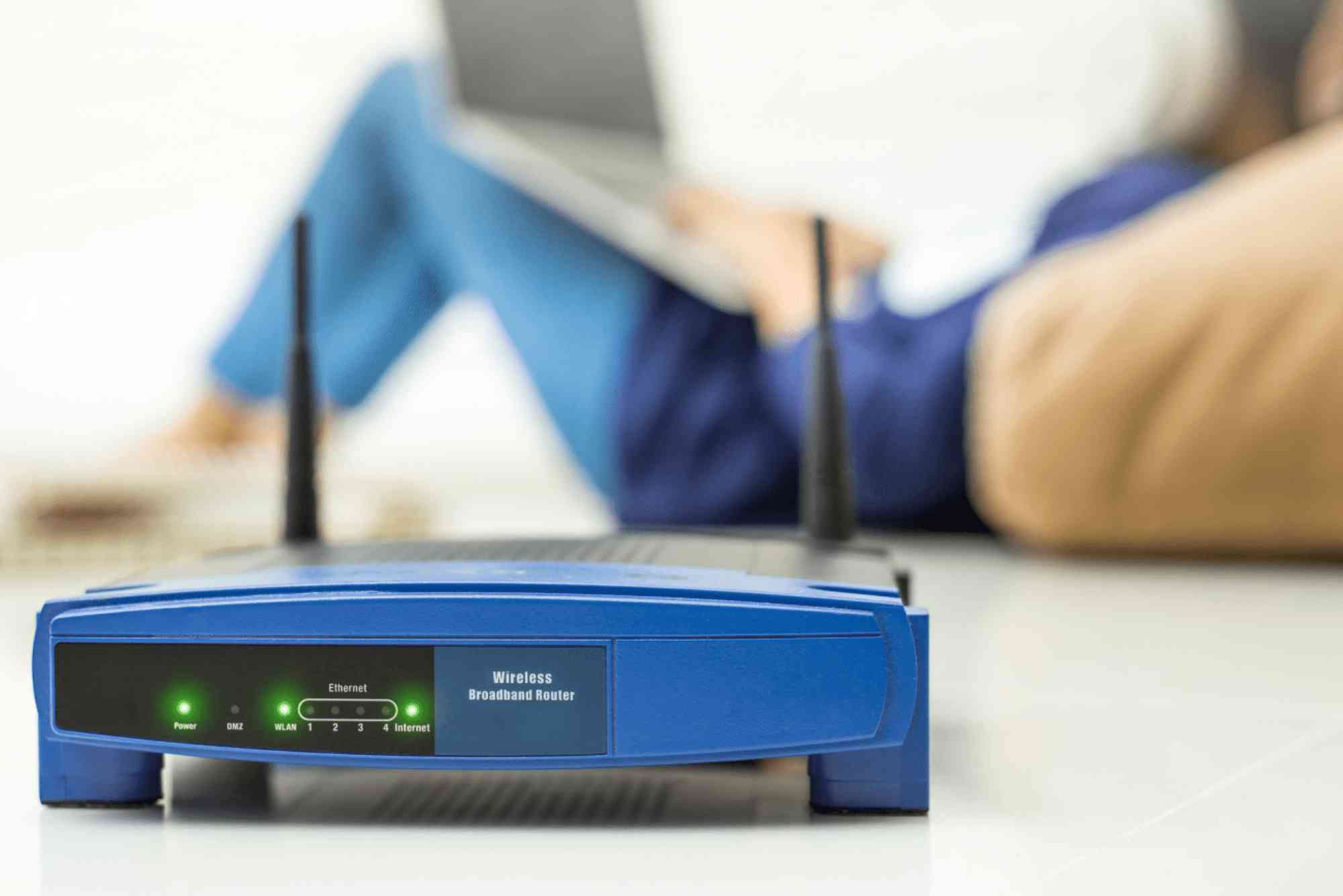
Differences Between Wi-Fi Range Extender and Wireless Access Point
Understanding the differences in Wi-Fi range extender vs wireless access point can help you build a faster, more stable network. Many homeowners and small businesses struggle with poor signals, lag, and limited coverage. As internet usage grows, knowing which device suits your space becomes essential for smooth streaming, working, and browsing.
This guide breaks down how each device works, where to use them, and how they impact your network’s speed and performance. By the end, you will know exactly which option fits your home or office setup.
What Is a Wi-Fi Range Extender
A Wi-Fi range extender boosts an existing signal and spreads it into weak or dead zones. It repeats the router’s signal and broadcasts it as a second network. This makes it useful for homes with thick walls or long distances between rooms.
How a Range Extender Works
A range extender listens to the router’s signal and re-broadcasts it. It helps extend coverage. However, the repeated signal often travels at a reduced speed. Since the extender divides its bandwidth between receiving and sending, speeds may drop in crowded networks.
When to Use a Range Extender
A range extender works best in small homes where coverage gaps appear in bedrooms, basements, or balconies. It is easier to set up. You simply plug it into a wall socket, connect it to your router, and extend coverage instantly.
What Is a Wireless Access Point
A wireless access point creates a new wireless network using a wired connection. Because it does not depend on an existing Wi-Fi signal, the connection is both stronger and more stable. Businesses and large homes often rely on access points to support multiple users at once.
How an Access Point Works
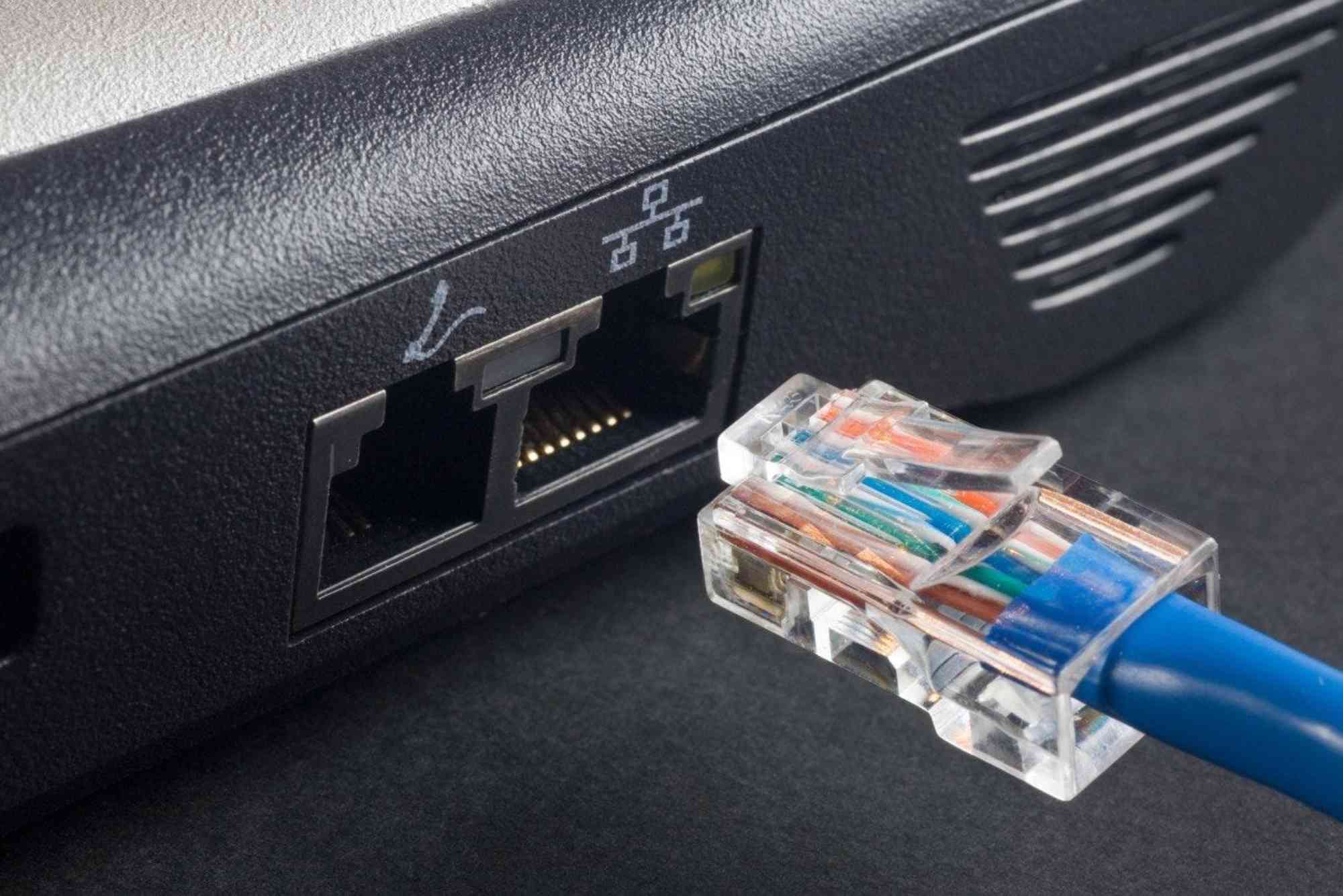
The access point plugs into your router through an Ethernet cable. It then broadcasts its own high-speed Wi-Fi. This direct wired link ensures low latency and higher performance. You get better speed, smoother video calls, and improved stability even during peak usage.
When to Use a Wireless Access Point
A wireless access point helps in larger spaces where many devices connect at once. Offices, multi-floor houses, and commercial spaces use access points to build a reliable network. They support more users without slowing down, making them ideal for smart homes and hybrid work setups.
Wi-Fi Range Extender vs Wireless Access Point Performance Comparison
When comparing Wi-Fi range extender vs wireless access point, performance becomes the key factor. Each device behaves differently depending on signal strength, number of users, and physical layout.
Speed Differences
A range extender often reduces speed because it repeats the signal. This can cause buffering and high latency. On the other hand, an access point delivers the same speed as the router because the connection is wired. This ensures consistent performance.
Coverage Differences
Range extenders help in small, targeted areas like a single room or corner. They are great for quick fixes. Access points, however, support wide coverage across entire floors or large buildings. They work well in mesh-like setups and can handle device-heavy environments.
Reliability Differences
The range extender’s performance changes with distance and signal quality. If the router signal is weak, the extender broadcasts an even weaker one. In contrast, an access point remains steady because of its wired backhaul, making it far more reliable.
Installation and Setup
The installation experience differs significantly in Wi-Fi range extender vs wireless access point. Each suits different user skill levels.
Setting Up a Range Extender
A range extender offers a simple setup. You plug it in, connect it to Wi-Fi, and start using it. You do not need cables or drilling. This makes it ideal for quick fixes.
Setting Up an Access Point
A wireless access point requires Ethernet wiring. This takes more time, but the payoff is a stronger network. Many businesses and serious home users choose access points for this reason. The setup process may involve placing cables across rooms or walls.
Cost Considerations
Price plays an important role in deciding between Wi-Fi range extender vs wireless access point.
Range Extender Cost
Range extenders are budget-friendly. They work for users who want to enhance coverage without spending more.
Wireless Access Point Cost
Access points cost more because they provide higher performance. They are long-term investments for better speed and reliability. Offices and growing households often find them worth the expense.
Which One Should You Choose
Choosing between Wi-Fi range extender vs wireless access point depends on your space, usage, and performance needs. If you only need slight coverage improvement, a range extender works. If you want consistent speed, long-term reliability, and support for many devices, the wireless access point wins.
You can improve your setup further by contacting a trusted local provider or exploring services like Dhanote Internet Services for better connectivity guidance.
Common Mistakes When Expanding Wi-Fi
Many users make errors when trying to fix their Wi-Fi coverage. These mistakes affect performance and may lead to frustration.
Incorrect Extender Placement
The extender should sit midway between the router and the weak zone. Placing it too far reduces its signal quality.
Choosing the Wrong Device
Users often buy extenders for large homes when an access point is the better option. This leads to slow speeds and connection drops.
Ignoring Wired Backhaul
Access points require Ethernet for best performance. Skipping this step lowers the benefits.
Real-World Use Cases
Understanding how each device performs in real situations helps you choose better when comparing Wi-Fi range extender vs wireless access point.
Home Users
Families with basic needs often find range extenders quick and helpful. They extend signals to bedrooms or balconies.
Offices and Workplaces
Workspaces rely on access points because they handle more devices at faster speeds. This supports video conferencing and cloud work.
Smart Home Setups
Smart homes with cameras, sensors, and voice devices need stable connections. Access points offer the consistency required for these always-on devices.
FAQs: Wi-Fi Range Extender vs Wireless Access Point
What is the main difference between a range extender and a wireless access point
A range extender repeats a wireless signal. A wireless access point creates a new high-speed network using Ethernet. The access point offers better speed and stability.
Does a Wi-Fi range extender reduce internet speed
Yes, a range extender may reduce speed because it repeats the signal. This splits bandwidth. You may notice slower performance in busy networks.
Is a wireless access point better for gaming
Yes, a wireless access point works better for gaming because it uses a wired connection. It gives stable, low-latency performance for competitive play.
Which device is easier to install
A range extender is easier because it requires no cables. An access point offers better results but takes longer to install.
Can you use both devices in one network
Yes, both can work together. Many users start with an extender and later add access points for better performance.
Choosing the right device depends on your needs. When comparing Wi-Fi range extender vs wireless access point, remember that extenders help with small coverage gaps while access points deliver stronger, faster, and more reliable networks. If you want high performance, go for access points. If you need a simple fix, choose a range extender.
For expert guidance or better connectivity planning, consider reaching out to professionals or learning more from local resources such as Dhanote Internet Services.