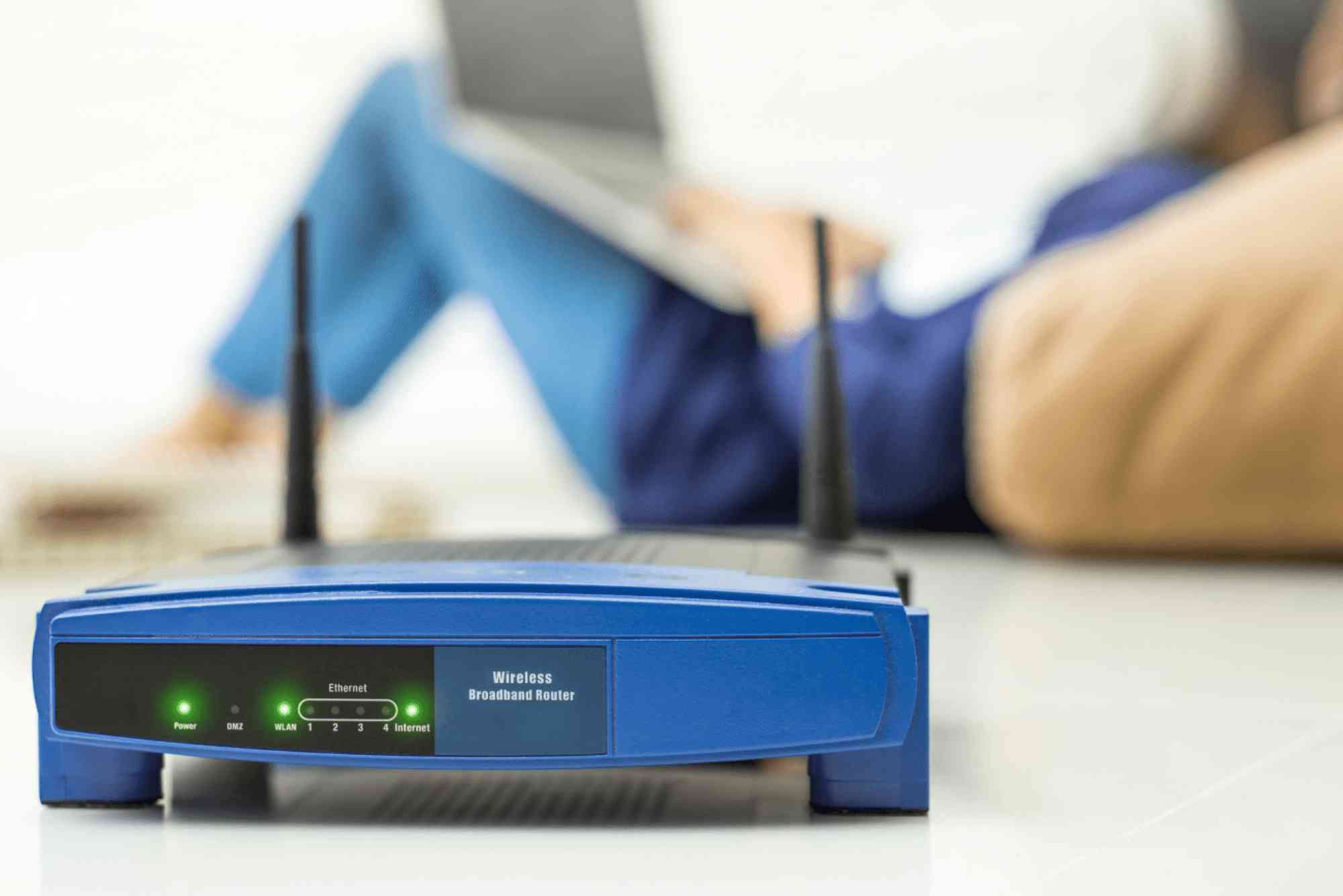
A stable and reliable internet connection is no longer a luxury—it’s a necessity. Whether you’re streaming, gaming, or working from home, weak Wi-Fi signals can disrupt productivity and entertainment alike. That’s why many homeowners and businesses compare Wi-Fi range extenders vs wired access points to improve connectivity. Both solutions boost coverage, but they work differently and suit different needs.
In this article, we’ll explain how each device works, their pros and cons, and help you decide which one truly enhances your Wi-Fi experience.
Understanding the Basics
What Is a Wi-Fi Range Extender?
A Wi-Fi range extender, sometimes called a repeater or booster, is designed to amplify your existing wireless signal. It receives the Wi-Fi signal from your main router and rebroadcasts it to areas where the signal is weak or nonexistent.
This makes it a quick and affordable solution for homes with dead zones—like upstairs bedrooms, garages, or backyards—where the main router’s signal doesn’t reach effectively.
However, because range extenders work wirelessly, they can experience performance issues, especially when placed too far from the main router. The further away the extender is, the weaker and slower the signal becomes.
What Is a Wired Access Point?
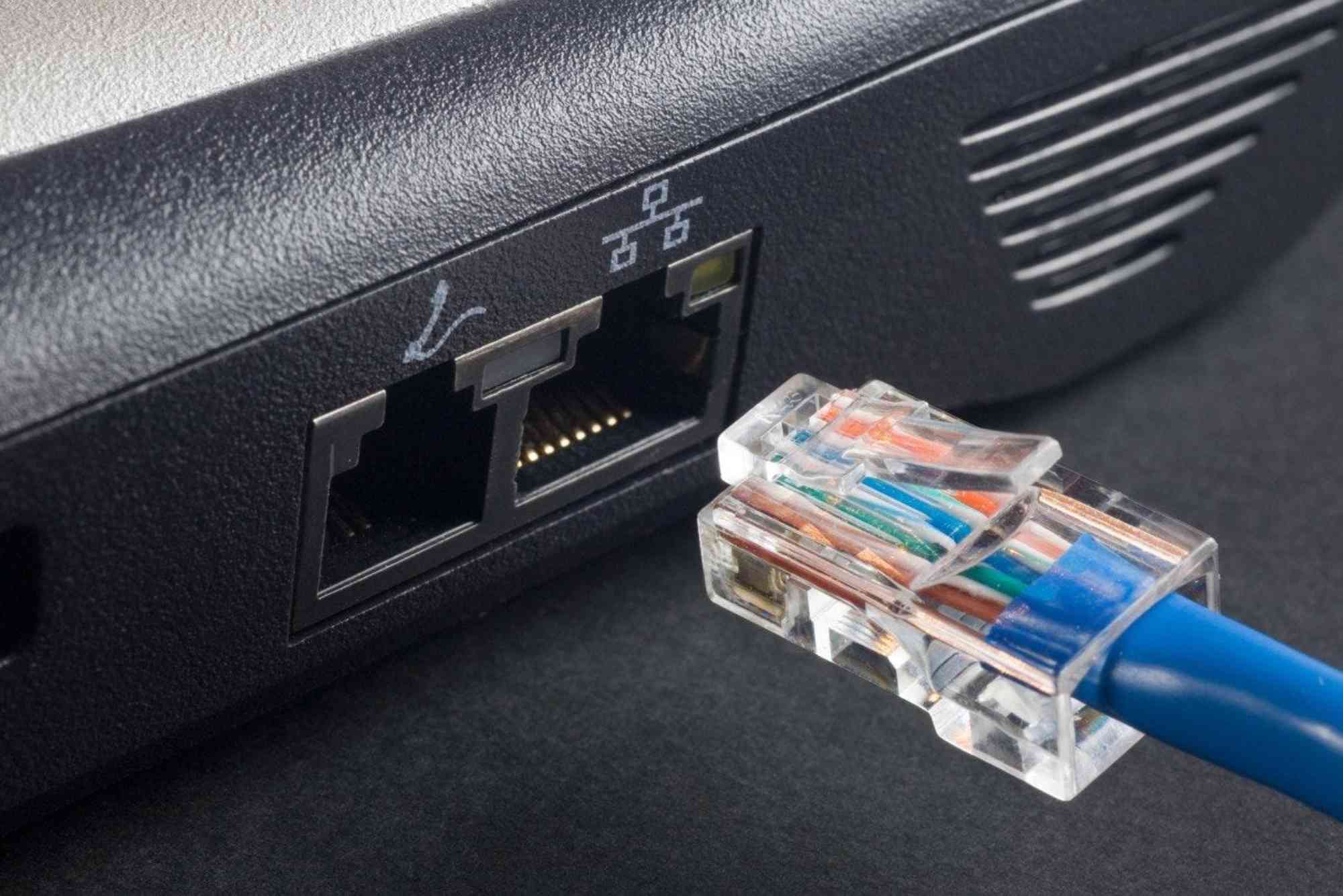
A wired access point (AP) connects directly to your router using an Ethernet cable. Unlike range extenders, which rebroadcast signals, access points create entirely new Wi-Fi networks from the same internet connection.
Access points deliver stronger, more stable, and faster connections because they rely on wired backhaul rather than wireless communication. They’re ideal for larger homes, offices, or businesses where multiple users require consistent high-speed internet.
While installation may require more effort—such as running Ethernet cables through walls or ceilings—the performance payoff is worth it for many users.
Wi-Fi Range Extender vs Wired Access Point: The Key Differences
Although both aim to improve Wi-Fi coverage, they do so in distinct ways. Understanding their differences helps you make an informed decision.
Connection and Performance
A Wi-Fi range extender connects wirelessly, which means its performance depends on the strength of your existing signal. When signal quality is low, the extended network becomes slower and may cause lag or buffering during high-demand tasks like 4K streaming or video conferencing.
In contrast, a wired access point maintains top speed and reliability because the connection between the router and AP uses a physical Ethernet cable. This eliminates interference, latency, and bandwidth loss—offering near-router-level performance throughout your property.
Setup and Installation
Range extenders are easy to install. You can simply plug one into an outlet, connect it to your Wi-Fi network, and start extending coverage. Most modern models even offer smartphone apps for quick setup.
Access points, however, require a wired connection to your router, which may involve running Ethernet cables across rooms or floors. This can be more complex and may require professional assistance, especially in larger spaces.
Coverage and Scalability
If you have a small to medium-sized home, a Wi-Fi range extender may be sufficient to cover the dead zones. But if you’re dealing with a large property or multi-story building, you’ll likely need multiple extenders, which can cause network overlap and signal confusion.
Access points scale more effectively. You can install multiple APs throughout your property and manage them from a central system. Each access point provides seamless coverage, often allowing devices to “roam” automatically between them without losing connection—a feature especially useful in offices or smart homes.
Cost and Maintenance
Wi-Fi range extenders are generally cheaper upfront, making them attractive for budget-conscious users. However, they may require more frequent resets or firmware updates to maintain performance.
Wired access points are costlier initially due to cabling and setup, but they offer better long-term stability and minimal maintenance once installed. For users prioritizing reliability over convenience, the investment pays off.
Which One Is Better for You?
Choosing between a Wi-Fi range extender and a wired access point depends on your needs, space, and budget.
If you live in a smaller home and simply need to eliminate a few Wi-Fi dead spots, a range extender is a practical, affordable fix. It’s easy to set up and provides instant results, even though performance may dip at longer distances.
On the other hand, if you manage a larger home, office, or business where multiple devices connect simultaneously, a wired access point is the better solution. The wired setup ensures strong, consistent speeds without interference or latency.
For the best experience, some users even combine both solutions—using access points for the main coverage and extenders for harder-to-reach corners.
Real-World Example: Choosing the Right Setup
Imagine you have a two-story home in Mountain View and struggle with weak signals upstairs. You could install a Wi-Fi range extender near the stairway to boost the signal. It’s quick, affordable, and solves the problem in minutes.
But if you also run a home office or stream high-resolution content, a wired access point offers a more reliable connection. By connecting an Ethernet cable from your router to a ceiling-mounted AP upstairs, you’ll enjoy uninterrupted high-speed Wi-Fi in every room.
At Dhanote Internet Services, we’ve helped countless users design the right networking setup—balancing convenience, cost, and performance to meet modern digital demands.
Frequently Asked Questions (FAQs)
Is a wired access point faster than a Wi-Fi extender?
Yes. Wired access points use Ethernet connections, ensuring faster, more reliable speeds compared to wireless range extenders that rely on signal rebroadcasting.
Can I use both a range extender and access point together?
Absolutely. Many users deploy both solutions to cover challenging spaces—using access points for main areas and extenders for distant corners or outdoor spaces.
Do Wi-Fi extenders reduce speed?
Yes, to some degree. Since extenders rebroadcast wireless signals, you may experience reduced bandwidth and slower speeds, especially on dual-band devices.
Is it hard to install a wired access point?
It depends on your setup. While some modern access points are plug-and-play, professional installation may be required for running Ethernet cables across multiple rooms or floors.
Are wired access points worth it for home use?
Definitely. For homes with heavy internet usage—such as 4K streaming, gaming, or smart home devices—a wired access point offers unmatched performance and reliability.
Final Verdict: Which Should You Choose?
Both Wi-Fi range extenders and wired access points improve your wireless coverage, but they serve different needs.
If you want an easy and affordable fix for minor dead zones, go for a range extender. But if you’re after professional-grade stability, faster speeds, and scalable coverage, a wired access point is the clear winner.
In the end, your choice should align with your space, internet usage, and performance expectations.
For expert advice and professional setup, visit Dhanote Internet Services—your trusted partner in creating strong, reliable, and high-speed Wi-Fi networks that truly keep you connected.
When it comes to Wi-Fi range extender vs wired access point, there’s no one-size-fits-all answer. Extenders offer convenience; access points offer power and reliability. Assess your environment, usage, and goals—then choose the solution that best supports your connected lifestyle.