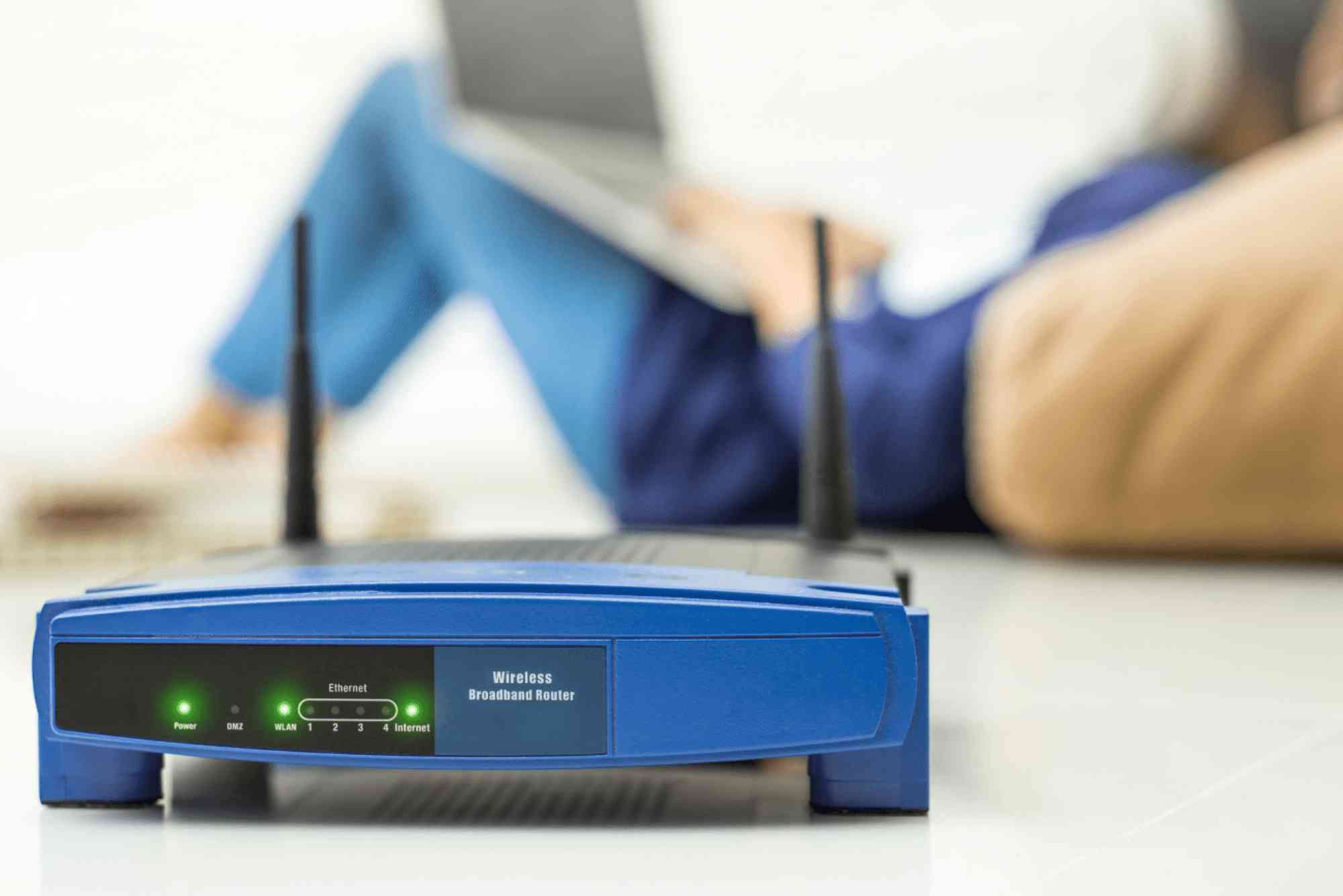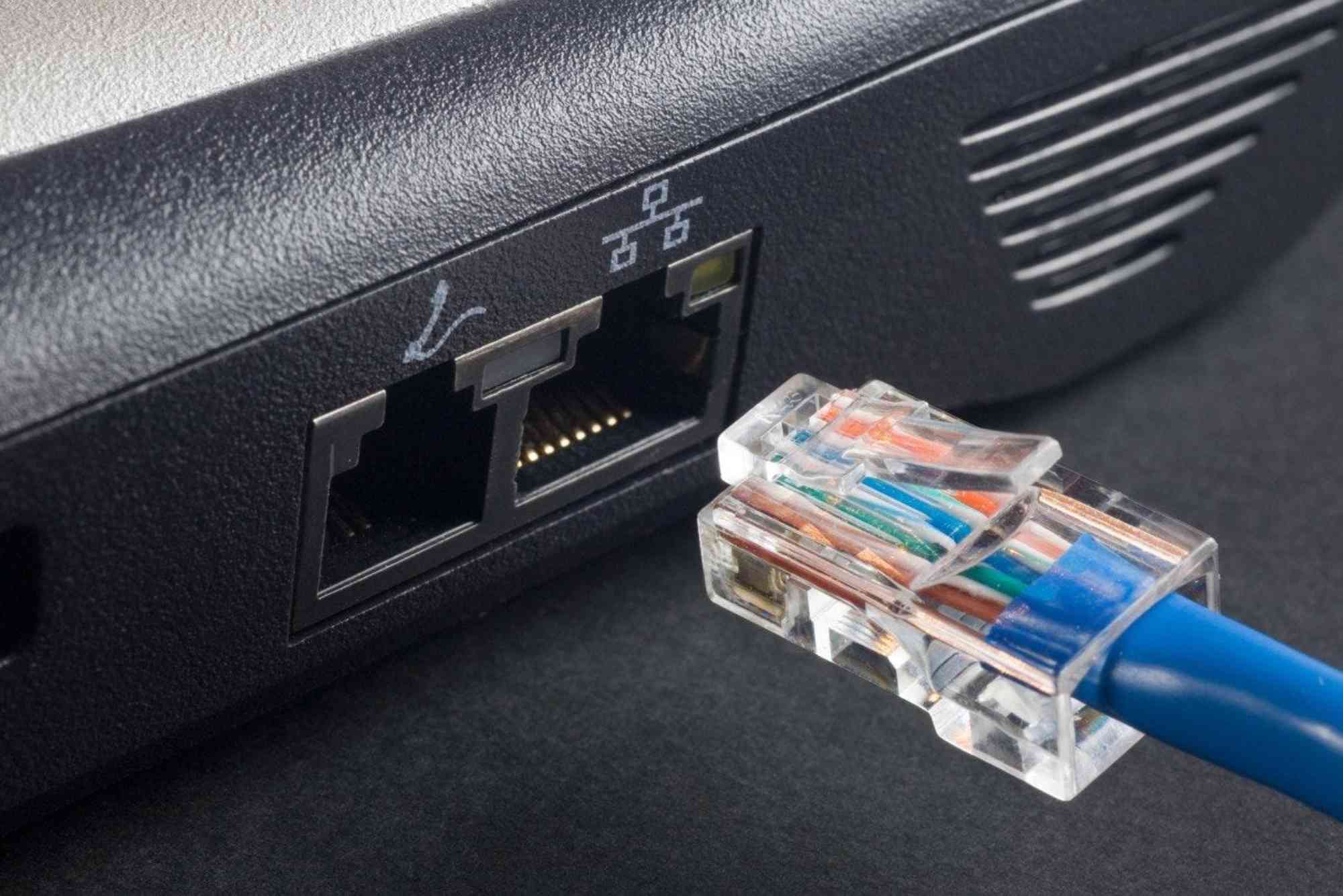
If your Wi-Fi range extender isn’t performing as expected—perhaps it’s not connecting properly, or your internet speed drops unexpectedly—you may be wondering: Where is the reset button on a Wi-Fi range extender? Finding this small but essential button can save you hours of frustration. A reset can resolve many issues by restoring your extender to its factory settings, giving you a fresh start with your network connection.
This guide will explain where to locate the reset button, how to use it correctly, and what to expect afterward. We’ll also cover some key troubleshooting tips and frequently asked questions to make the process as easy and effective as possible.
Understanding the Purpose of the Wi-Fi Range Extender Reset Button
Before you start searching for the reset button, it’s important to understand its function. The reset button on a Wi-Fi range extender serves as a safety net when your device stops responding or when configuration errors occur. Pressing it restores the device to its default factory settings, erasing all custom network names, passwords, and configurations.
This is useful when your extender won’t connect to your router, keeps dropping the signal, or you’ve forgotten your admin password. Knowing how and when to reset can save you the time and cost of replacing a perfectly functional extender.
Where Is the Reset Button on a Wi-Fi Range Extender?
Most Wi-Fi range extenders—regardless of brand—feature a small, recessed reset button. You can usually find it on the back, bottom, or side of the device. Manufacturers often design it as a tiny pinhole to prevent accidental presses.
To reset, you’ll need a paperclip, pin, or similar thin object to press and hold the button for a few seconds. When done correctly, the device’s lights will blink or flash, signaling that the reset process has started.
Although the location varies slightly between brands, the general rule remains the same: the reset button is always located in an easily accessible but protected spot to avoid accidental resets.
Common Reset Button Locations by Popular Brands
While the exact position can differ, here’s what you can typically expect with well-known models:
-
TP-Link Extenders: Look on the side or bottom panel. The button is often labeled “Reset” or “WPS/Reset.”
-
Netgear Extenders: Usually found at the bottom or back, marked with the word “Reset.”
-
Linksys Extenders: Commonly positioned at the bottom, often inside a small recessed hole.
-
D-Link Extenders: Found at the side or rear near the power port, typically next to the Ethernet connection.
No matter the model, the reset button on a Wi-Fi range extender will always be within easy reach yet recessed enough to prevent unintentional activation.
How to Reset a Wi-Fi Range Extender Properly
Resetting your Wi-Fi range extender is simple, but timing and precision matter. To perform a factory reset, follow these steps carefully:
-
Keep the extender powered on. Never unplug it during the reset process.
-
Locate the reset button. Use a pin or paperclip to press and hold it for about 8–15 seconds.
-
Watch for blinking lights. The LED indicators will flash, signaling that the reset is in progress.
-
Wait for reboot. Once the lights stabilize, the reset is complete, and your extender will be restored to its default factory state.
Afterward, you’ll need to reconnect and reconfigure your extender using your router’s Wi-Fi credentials.
Why and When to Use the Reset Button
The reset button should only be used when other troubleshooting steps fail. Frequent resetting can be inconvenient since it erases all settings. However, certain situations make it necessary:
-
Forgotten Password: When you can’t log in to the extender’s interface.
-
Connection Issues: If the device stops communicating with your router or loses signal frequently.
-
Slow Performance: When the extender transmits weak signals despite being within range.
-
Reconfiguration Needs: If you’re changing your home router or moving to a new location.
A simple reset can restore smooth performance without technical expertise or extra tools.
Troubleshooting Tips Before You Reset
While a factory reset can fix most problems, it’s always wise to try simpler fixes first. Restarting your extender and router, checking cable connections, or updating firmware can resolve many issues without wiping your settings.
You can also try repositioning your Wi-Fi extender to improve coverage. Place it halfway between your router and the dead zone, ensuring it receives a strong signal. Sometimes, poor performance isn’t a hardware issue but a placement problem.
If these steps don’t help, then resetting the extender is your best next move. It’s fast, safe, and often restores full functionality.
What Happens After You Reset Your Wi-Fi Range Extender?
Once you’ve pressed the reset button, your extender reverts to its original factory settings. That means any custom configurations—such as Wi-Fi name, password, or IP address—are erased. You’ll need to set it up again using your router’s current network details.
To reconfigure, connect your computer or smartphone to the extender’s default Wi-Fi network, then access its setup page through a web browser. Follow the on-screen prompts to connect it to your router’s Wi-Fi.
After setup, your extender should start broadcasting a new network, typically named with a suffix like “_EXT” or “_PLUS.” At this point, you can reconnect all your devices to enjoy better coverage and signal strength.
Avoid Common Mistakes When Resetting Your Extender
Many users make small errors that prevent a successful reset. The most common mistake is not holding the reset button long enough. If you press it for less than five seconds, the extender might just reboot rather than reset.
Another common error is resetting the extender while it’s unplugged or while the firmware is updating. Doing so can corrupt the software and cause more problems. Always ensure the extender is powered on and stable before you begin.
Finally, avoid pressing the WPS and Reset buttons simultaneously. This can confuse the device and interrupt the reset sequence.
Expert Tips to Maintain a Healthy Wi-Fi Extender Connection
To keep your Wi-Fi range extender performing at its best, follow these tips:
-
Update Firmware Regularly: Manufacturers often release performance updates that improve stability.
-
Avoid Interference: Keep your extender away from microwaves, cordless phones, and thick walls.
-
Choose Optimal Placement: A central, elevated position ensures the best coverage.
-
Secure Your Network: Always use strong passwords to protect against unauthorized access.
Taking these steps can help you avoid frequent resets and maintain reliable internet coverage throughout your home.
FAQ: Real User Questions About Wi-Fi Range Extender Reset Buttons
1. How long do I hold the reset button on my Wi-Fi range extender?
Hold it for about 10 to 15 seconds until the lights flash, indicating the reset process has begun.
2. Will resetting my Wi-Fi extender delete my settings?
Yes. A factory reset erases all custom configurations, restoring default settings.
3. Can I reset my extender without the button?
Most extenders can also be reset through their web interface. Log in using the default IP address and choose “Factory Reset” under settings.
4. Why isn’t my Wi-Fi extender working after reset?
If it doesn’t reconnect, ensure your router is functioning and the extender is properly reconfigured with updated credentials.
5. How do I know if my reset was successful?
You’ll notice flashing lights followed by a reboot. Once the LEDs stabilize, the reset is complete.
Simplify Troubleshooting with a Simple Reset
Knowing where the reset button on your Wi-Fi range extender is—and how to use it—can save you time, effort, and frustration. Whether you’re dealing with weak signals, setup errors, or forgotten passwords, a quick reset often restores full functionality.
If you’ve tried multiple solutions and your Wi-Fi still acts up, resetting is a safe and effective last step. Once done, reconfigure your extender and enjoy a stronger, more stable connection across your home or office.
For reliable connectivity solutions, check out Dhanote Internet Services, your trusted partner for seamless internet performance and smart troubleshooting support.