How to Fix Wi-Fi Range Extender That Isn’t Working
A weak or unreliable Wi-Fi connection can be incredibly frustrating, especially when your Wi-Fi range extender not working becomes the main issue. A range extender is supposed to boost your router’s signal, not make it worse. When it stops working, your connection drops, streaming buffers, and smart devices lose connection.
In this detailed guide, you’ll learn how to fix a Wi-Fi range extender that isn’t working, the main causes behind it, and simple solutions that can help you restore your internet connection quickly.
Why Your Wi-Fi Range Extender Might Not Be Working
Before fixing the issue, it’s important to understand why your Wi-Fi range extender not working properly. Several factors can cause connectivity problems:
-
Incorrect setup or configuration — The extender may not be properly connected to your router.
-
Weak signal from the main router — If your router’s signal is weak where the extender is placed, it can’t amplify it.
-
IP address conflicts — Duplicate IPs can cause the extender to lose connection.
-
Outdated firmware — Old software can prevent compatibility with new routers.
-
Overheating or power issues — Extenders that run too hot may stop functioning temporarily.
Now, let’s move on to practical ways to troubleshoot the problem.
Step-by-Step Guide to Fix a Wi-Fi Range Extender That Isn’t Working
Check Power and Signal Indicators
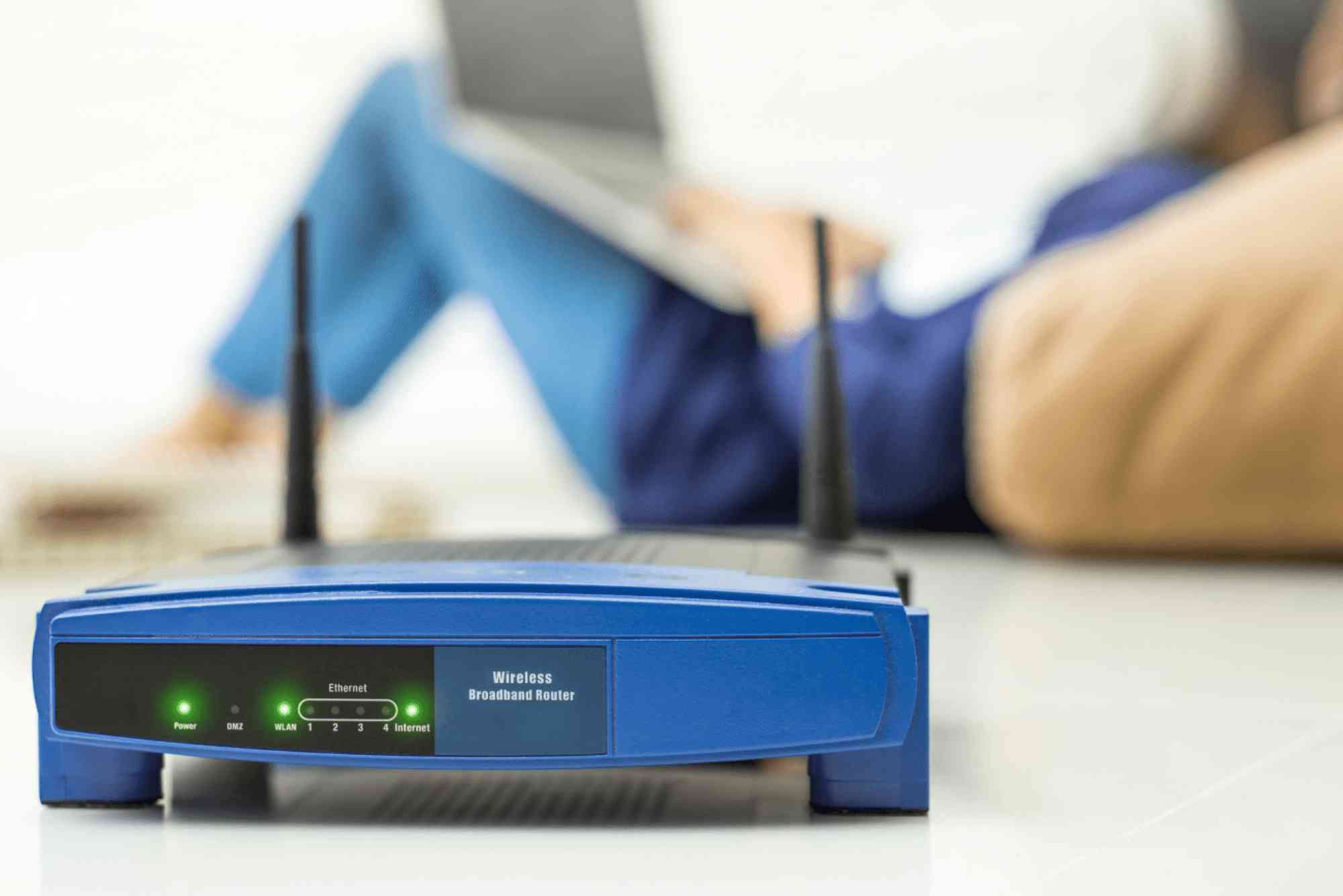
Make sure your extender is powered on and receiving stable electricity. Most extenders have LED lights that indicate their status:
-
Power light: Should be solid green or blue.
-
Signal light: Blinking or red means poor connection to the router.
If the extender is not powering on, try plugging it into another socket.
Reboot the Extender and Router
Sometimes, the simplest fix works best. Restart both the router and the Wi-Fi extender:
-
Turn off the extender and unplug it.
-
Restart your main router.
-
Wait 2 minutes, then plug the extender back in.
This can clear temporary glitches or network conflicts.
Verify Your Wi-Fi Connection
Connect your laptop or phone to the extender’s network. Open the Wi-Fi settings and check the signal name (SSID). It should match your extended network (for example, “HomeNetwork_EXT”).
If you don’t see your extended network, your extender may have lost connection with the router and needs to be reconfigured.
Reconfigure Your Extender
If your Wi-Fi range extender not working even after rebooting, reconfiguration may be necessary. Follow these steps:
-
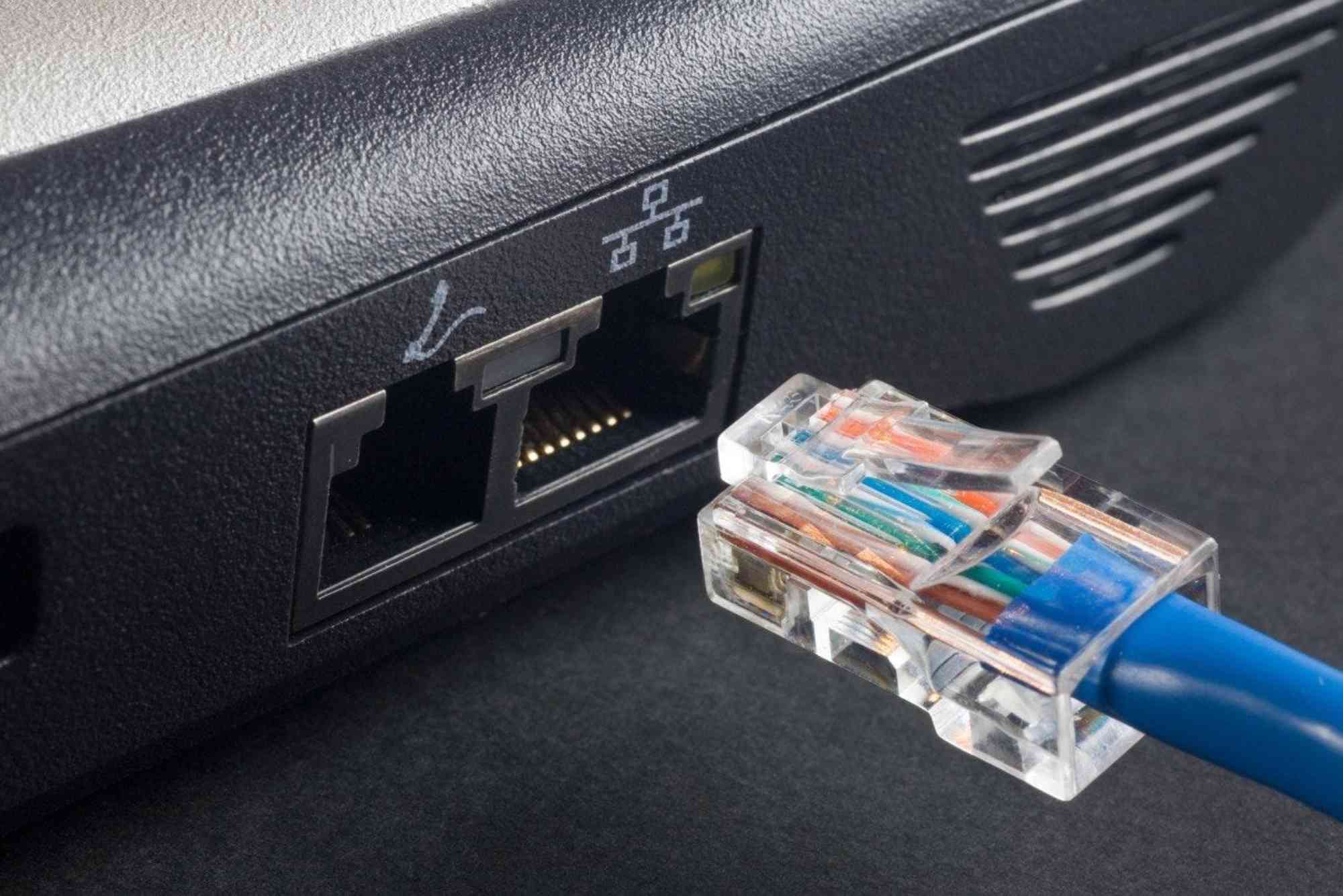
Connect your device directly to the extender via Ethernet or Wi-Fi.
-
Open a browser and enter the extender’s IP address (usually printed on its label).
-
Log in using the default credentials (found in the manual).
-
Follow the on-screen instructions to connect it to your main Wi-Fi network.
Tip: Make sure to place the extender halfway between your router and the area with weak signal for optimal performance.
5. Update the Firmware
Outdated firmware can cause serious performance issues. To update:
-
Go to the extender’s web interface.
-
Find the Firmware Update section.
-
Check for available updates and install them.
Firmware updates improve compatibility and fix known bugs.
Check for Interference
Electronic devices such as microwaves, cordless phones, or Bluetooth speakers can interfere with Wi-Fi signals. Try relocating your extender away from these devices.
Also, avoid placing it behind walls or near metal surfaces. A clear line of sight to the router is ideal.
Reset to Factory Settings
If all else fails, a factory reset can help. This erases all settings and allows a fresh setup.
To reset:
-
Locate the small reset button on your extender.
-
Hold it for about 10–15 seconds until the lights blink.
-
Set up your extender again from scratch.
This method often resolves hidden configuration issues.
Common Problems and Their Fixes
Extender Connected But No Internet
This usually means the extender is linked to your router but can’t reach the internet. Check your router’s connection and ensure it’s online. You may also need to assign a static IP address to your extender.
Extender Keeps Disconnecting
If your extender keeps dropping out, it might be due to weak signal strength. Move it closer to your router or reduce the number of connected devices.
Devices Not Switching to Extender Automatically
Modern devices should connect to the strongest available signal. If they don’t, forget the main network on your device and reconnect to the extended one.
How to Optimize Wi-Fi Range Extender Performance
Choose the Right Location
The best placement is midway between your router and the coverage area. Avoid corners, basements, and areas near metal objects.
Use a Unique Network Name
If your extender uses the same SSID as your router, rename it to something identifiable. This helps devices switch automatically between networks.
Upgrade Your Equipment
If your extender is several years old, consider upgrading to a dual-band or mesh extender. These newer models provide better performance and stability.
Regularly Restart Devices
Restarting your router and extender once every few weeks keeps your network stable and clears minor connectivity issues.
Monitor Network Health
Use apps like NetSpot or WiFi Analyzer to check signal strength across your home. These tools help you adjust placement for maximum coverage.
Pro Tip: Contact Your ISP
Sometimes, the problem isn’t your extender—it’s your internet connection. If your extender still isn’t working after all troubleshooting steps, contact your service provider.
For example, Dhanote Internet Services offers excellent customer support for troubleshooting Wi-Fi and connectivity issues. Their experts can help identify whether the problem lies with your router, extender, or ISP connection.
FAQs About Fixing a Wi-Fi Range Extender
Why is my Wi-Fi range extender not connecting to my router?
It may be due to incorrect password entry, signal interference, or outdated firmware. Try resetting both devices and reconnecting manually.
How do I know if my Wi-Fi extender is working?
When your extender’s signal lights are green and you can browse the internet while connected to its network, it’s functioning correctly.
Should I use the same SSID for my extender?
It depends. Using the same SSID allows seamless roaming, but using different names helps diagnose connection issues.
Can I use multiple Wi-Fi extenders?
Yes, but chain connections can cause interference. If you need wider coverage, a mesh Wi-Fi system is a better option.
How far should the extender be from the router?
Ideally, the extender should be within 20–30 feet of your router with a strong, stable signal.
A Wi-Fi range extender not working doesn’t always mean it’s broken. Most issues are caused by setup errors, weak signals, or outdated firmware. By following the steps above — checking power, reconfiguring the connection, updating firmware, and optimizing placement — you can restore your extender and enjoy strong Wi-Fi coverage again.
If your problem persists, don’t hesitate to seek help from your internet provider or upgrade your device for better performance. Reliable service providers like Dhanote Internet Services can help you ensure your connection is stable and efficient.
Ready to experience uninterrupted Wi-Fi coverage? Follow these steps today and bring your network back to life — because a stable internet connection should never be out of range.