What Different LED Colors Mean on Your Wi-Fi Range Extender
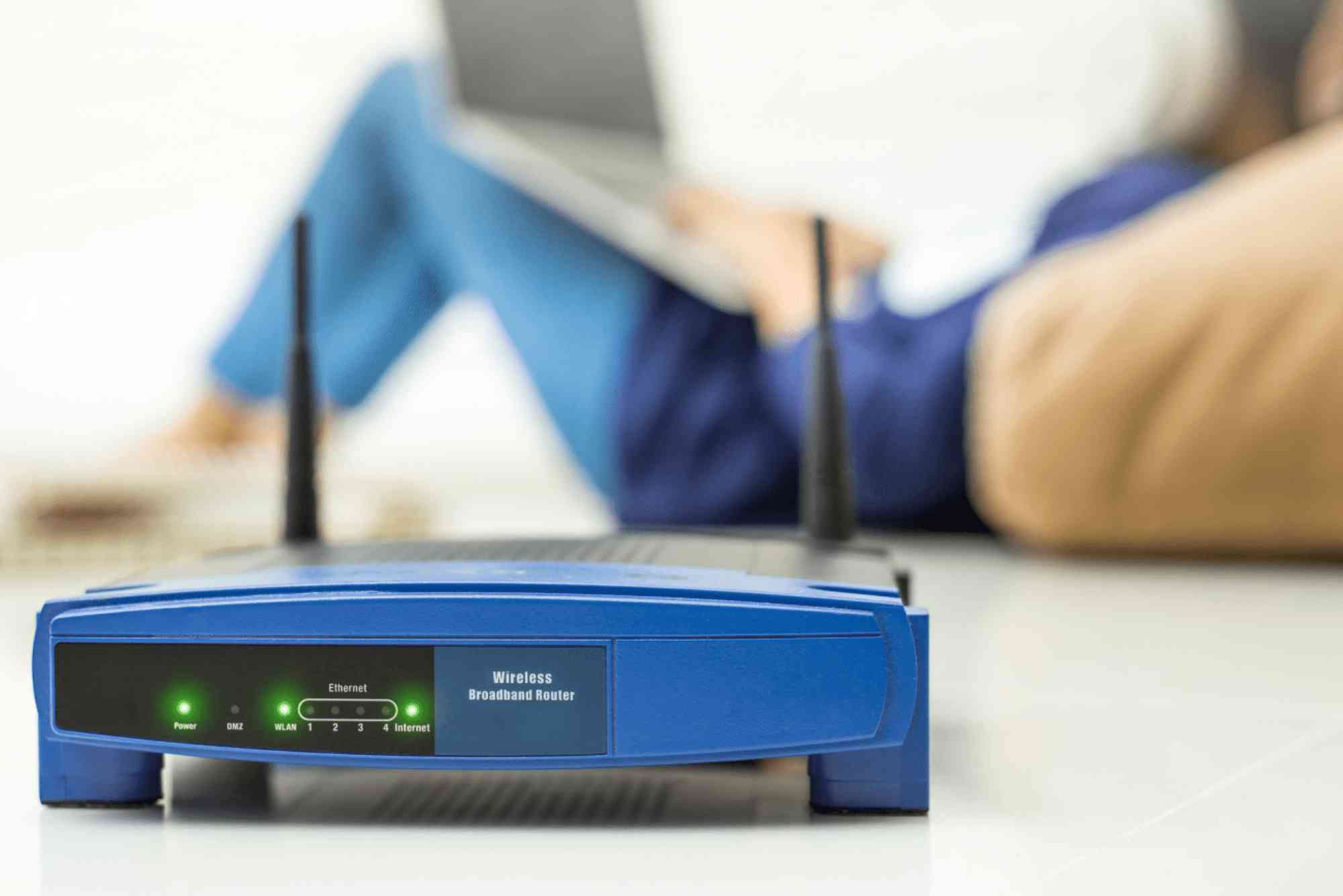
Wi-Fi range extenders are essential for improving your home network coverage. However, understanding Wi-Fi range extender LED light colors can be confusing. These lights indicate connection strength, device status, and potential issues. Knowing what each color represents can help you troubleshoot problems quickly.
Whether you’re setting up a new extender or troubleshooting an old one, this guide will clarify everything about LED indicators.
Understanding Wi-Fi Range Extender LED Light Colors
Wi-Fi range extenders come with multiple LED lights, typically showing different colors like green, amber, red, or blue. Each color and blink pattern communicates important information about your device.
Green LED Light
A solid green light usually indicates a strong connection between the extender and your router.
-
It means your extender is placed in the optimal location for maximum coverage.
-
The green light may also blink during data transmission, signaling active communication.
Amber or Orange LED Light
Amber or orange lights often indicate a weak connection.
-
This might mean the extender is too far from your router.
-
Try moving the extender closer to your router to improve signal strength.
-
Some extenders use amber as a setup or WPS pairing indicator.
Red LED Light
A red LED light generally signals an error or connectivity issue.
-
Your extender may not be detecting the router.
-
Firmware issues or network interruptions could also trigger red lights.
-
Performing a reset or updating firmware usually resolves this problem.
Blue LED Light
Blue lights are often used to indicate that your device is successfully paired via WPS.
-
Solid blue means a secure connection is established.
-
Blinking blue usually signals that the WPS setup is in progress.
White LED Light
Some modern extenders feature white LED lights for general power indication.
-
Solid white shows the extender is powered on and functioning normally.
-
Blinking white might indicate a firmware update or network configuration process.
Common LED Patterns and Their Meanings
Besides color, the blinking pattern of LEDs is crucial. Extenders often communicate via slow or fast blinking.
Slow Blinking
-
Indicates data transmission or network activity.
-
Usually normal and not a cause for concern.
Fast Blinking
-
Often signals an error or failed setup attempt.
-
Check your router connection and try resetting the extender.
Alternating Colors
-
Some devices use alternating LED colors during setup.
-
Follow your manufacturer’s guide to complete installation.
Tips to Optimize Extender Placement
Proper placement of your Wi-Fi range extender ensures optimal performance and prevents confusing LED signals.
Ideal Distance From Router
-
Place the extender halfway between your router and the area with weak signal.
-
Avoid walls or large metal objects that can block the Wi-Fi signal.
Avoid Interference
-
Keep the extender away from microwaves, cordless phones, and other electronics.
-
This reduces blinking red or amber LED warnings caused by signal interference.
Regular Firmware Updates
-
Updating your extender firmware ensures LED colors indicate accurate status.
-
Manufacturers often release updates to improve device stability.
Troubleshooting Common LED Issues
Understanding LED colors helps you quickly resolve connectivity problems.
Red Light Troubleshooting
-
Check power and network cables.
-
Move the extender closer to the router.
-
Reset the device and retry setup.
Amber Light Troubleshooting
-
Relocate for better signal coverage.
-
Avoid placement near thick walls or metal surfaces.
Blinking Lights
-
Ensure firmware is up to date.
-
Verify the device is properly paired with your router.
Why LED Colors Matter for Home Internet Performance
LED indicators provide instant feedback about your network health.
-
Quick identification of connection issues saves time and improves your browsing experience.
-
Understanding colors helps avoid frustration when streaming, gaming, or working remotely.
For professional assistance, Dhanote Internet Services can provide expert setup and troubleshooting for your extender.
FAQs About Wi-Fi Range Extender LED Light Colors
What does a blinking amber light mean on my Wi-Fi extender?
A blinking amber light usually indicates a weak connection. Move your extender closer to the router.
Why is my Wi-Fi extender showing a red LED?
Red LEDs often signal an error or failed connection. Check your network settings and reset the device.
How do I know if my extender is properly connected?
A solid green or blue light typically means your extender is paired correctly with your router.
Can LED colors indicate data transmission issues?
Yes, blinking lights can show active data transmission or network instability depending on the color.
How can I reset my Wi-Fi range extender?
Press the reset button for 10 seconds or follow the manufacturer’s instructions. LED colors will guide the process.
Does extender placement affect LED color signals?
Absolutely. Poor placement can trigger amber or red LEDs due to weak signals. Always test for optimal coverage.
Understanding Wi-Fi range extender LED light colors can save you time and frustration. Green, blue, amber, red, and white lights each indicate specific statuses, helping you identify strong signals or troubleshoot issues. Proper placement, firmware updates, and regular checks are essential for a reliable Wi-Fi network.
For seamless setup and expert advice, consider contacting Dhanote Internet Services to optimize your home internet coverage today.