Introduction
Understanding Wi-Fi range extender compatibility with mesh is essential for anyone upgrading their home network. Many users already own a traditional Wi-Fi extender and wonder if it will work well with a new mesh system. Others hope to expand their mesh coverage using cheaper extender options. However, compatibility is not always straightforward. Mesh systems operate differently from traditional routers and extenders, so mixing them can produce uneven performance.
This guide explains how Wi-Fi extenders interact with mesh networks, when they work, when they fail, and the best alternatives. Each section focuses on clarity, real-world experience, and easy-to-follow explanations to help you make the right choice for your home or office setup.
Understanding How Wi-Fi Extenders Work
Wi-Fi extenders receive a wireless signal from your router and rebroadcast it. Their goal is simple: push the signal farther. They create a secondary network name or sometimes repeat the existing one. Because they rely on a single access point, bandwidth drops as the extender gets farther from the router.
The Limitations of Traditional Extenders
Traditional extenders rely on a half-duplex connection. The signal repeats, which reduces speed. Most extenders also create latency because every data packet travels through two hops: router to extender, then extender to device. In small homes this is acceptable, but larger homes experience slowdowns.
Understanding How Mesh Networks Work
Mesh networks use multiple nodes that communicate with each other. Each node acts as a router, spreading connections evenly throughout the home. Instead of repeating a single access point, mesh networks distribute a unified system that adapts to how users move around.
Smart Routing and Self-Healing
Mesh systems use intelligent routing. If one node weakens or disconnects, traffic automatically switches to the nearest node. This feature is known as self-healing. It maintains fast, stable performance without manual adjustment.
Can Wi-Fi Extenders Work With Mesh Networks?
This is where Wi-Fi range extender compatibility with mesh becomes important. In simple terms, traditional extenders can sometimes work with mesh networks, but compatibility depends on brand, firmware, and features. Most extenders do not support mesh-specific technologies, so performance may drop.
When Compatibility Exists
Some mesh brands, such as TP-Link Deco or Netgear Orbi, allow certain extenders to join as normal Wi-Fi devices. They connect like any other client but lack mesh features. They do not join the mesh backbone and cannot hand off devices seamlessly.
When Compatibility Fails
Many mesh systems lock out extenders because they create dual SSIDs or break smart routing rules. Even when they connect, they can disrupt the mesh by introducing slower paths. Devices may cling to the extender even when a mesh node provides better speed.
Why Most Experts Avoid Mixing Extenders and Mesh
Based on real-world experience, mixing traditional extenders with mesh often leads to unstable performance. Users report slow speeds, poor handoffs, and random disconnects. Mesh features only work with certified mesh nodes. Because extenders cannot integrate into the mesh backhaul, they introduce bottlenecks.
Loss of Smart Handoff
Mesh promises seamless roaming. Extenders break that promise because devices must manually choose networks. This leads to dead zones during movement.
Reduced Speeds
An extender’s repeated signal often cuts bandwidth in half. Combined with mesh routing, this causes unpredictable speed drops in large homes.
When Using an Extender With Mesh Makes Sense
Although not ideal, Wi-Fi range extender compatibility with mesh can work in specific scenarios. These include garages, basements, or outdoor spaces where speed is less important. An extender can fill a gap temporarily until you add a proper mesh node. It also works when the extender connects through Ethernet or uses Access Point mode.
Extender in Access Point Mode
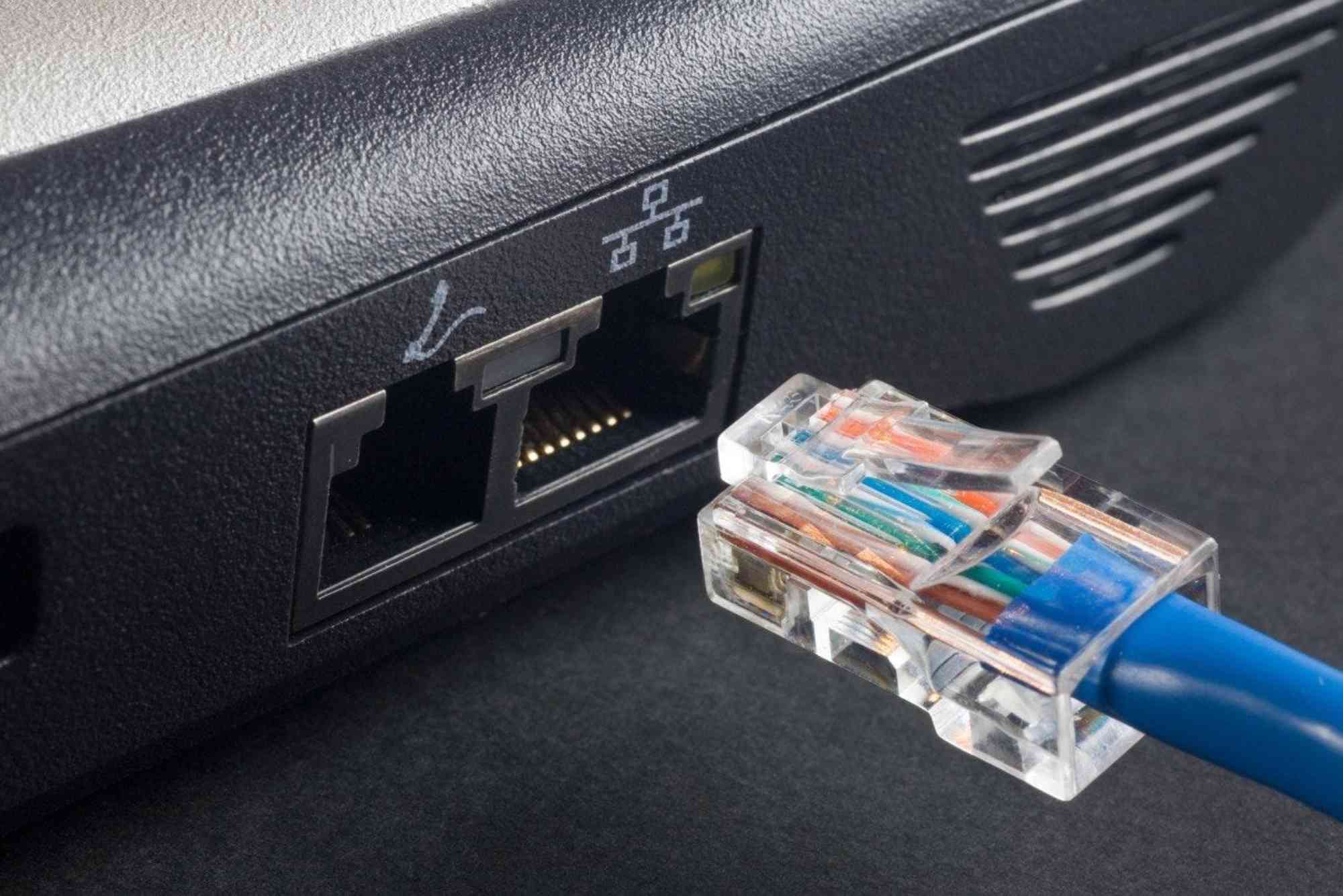
If the extender has an Ethernet connection to the mesh router, it becomes a wired access point. This avoids mesh interference and provides stable coverage. It does not join the mesh but still extends the network reliably.
Best Alternatives to Using Extenders With Mesh
You will always get better results by adding more mesh nodes rather than using traditional extenders. Mesh nodes support unified SSIDs, seamless roaming, and optimized routing. This produces a fast and stable home network.
For Pakistan users, solutions such as Dhanote Internet Services offer modern router options and mesh-ready equipment to expand coverage in large homes or offices.
How to Expand a Mesh Network Without Extenders
Expanding a mesh network is simple. Add another certified node from the same brand. Avoid mixing models unless the manufacturer confirms compatibility. Always place nodes where they receive strong signals from the existing mesh.
Tips for Maximizing Wi-Fi Coverage in a Mesh Setup
Position mesh nodes based on your home layout. Avoid walls, metal appliances, and corners. If possible, use Ethernet backhaul to connect nodes. Wired backhaul provides faster speeds and reduces interference throughout the home.
Troubleshooting Common Mesh and Extender Issues
When testing Wi-Fi range extender compatibility with mesh, users often experience slow speeds, weak signals, or inconsistent device switching. These problems usually stem from overlapping channels or misconfigured SSIDs.
Basic Troubleshooting Steps
Restart nodes and extenders, update firmware, and separate SSIDs if needed. Ensure the extender connects to the strongest source, not a distant mesh node.
FAQ Section (Real “People Also Ask” Questions)
Can I use a Wi-Fi extender with a mesh system?
Yes, but results vary. Extenders do not integrate into the mesh network. They act like separate devices, which may reduce speed or roaming quality.
Is mesh better than a Wi-Fi extender?
Yes. Mesh systems provide wider coverage, unified SSIDs, and smart routing. Extenders often reduce speed and require manual switching between networks.
Do Wi-Fi extenders slow down Internet speed?
They can. Traditional extenders repeat the wireless signal, which cuts bandwidth. Their performance depends on distance from the router and signal strength.
Can I use different brands for mesh and extenders?
Yes, but compatibility issues may occur. Different brands rarely communicate well in advanced networking features such as smart routing or seamless roaming.
What is the best way to increase mesh coverage?
Adding more mesh nodes is the most effective option. They provide seamless coverage and maintain full mesh functionality.
Wi-Fi range extender compatibility with mesh systems depends on the hardware and expectations. Extenders can connect, but they rarely integrate smoothly. This leads to slower speeds, weak roaming, and uneven performance. For a stable home network, expand your mesh with official nodes instead of relying on traditional extenders.
If you want better coverage and consistent speeds throughout your home, consider upgrading your setup or exploring professional networking solutions. Take the next step toward a stronger Wi-Fi experience today.