Introduction
A stable internet connection is essential for work, study, and entertainment. Yet, many laptop users face a common issue: Wi-Fi disconnects on laptop without warning. This problem can disrupt video calls, stop downloads, or even cause lost work. The good news is that most Wi-Fi disconnection issues can be solved with the right troubleshooting steps. In this guide, you’ll learn why laptops lose Wi-Fi connections and how to fix them permanently.
Why Does Wi-Fi Keep Disconnecting on a Laptop?
Understanding the root cause is the first step toward fixing the issue. Laptops may lose Wi-Fi connection due to outdated drivers, network adapter issues, weak signals, or router misconfigurations. In some cases, background apps or power-saving settings interfere with network stability. Each factor requires a different fix, which we’ll cover in detail below.
Check Your Wi-Fi Signal Strength
Weak Wi-Fi signals are one of the most common reasons laptops disconnect frequently. If you are far from your router, walls and furniture may block the signal. Moving closer to your router or removing obstacles can often stabilize the connection. For homes with multiple rooms, consider using a Wi-Fi extender or upgrading to a mesh Wi-Fi system for seamless coverage.
Update Your Network Drivers
Outdated or corrupted drivers can cause random Wi-Fi drops. Network adapters rely on updated drivers to function properly with modern routers. To fix this:
-
Open the Device Manager on your laptop.
-
Expand the “Network Adapters” section.
-
Right-click your Wi-Fi adapter and select “Update driver.”
-
Choose the option to search automatically for updated drivers.
If updating doesn’t help, reinstall the driver or download the latest version directly from the manufacturer’s website.
Restart Your Router and Laptop
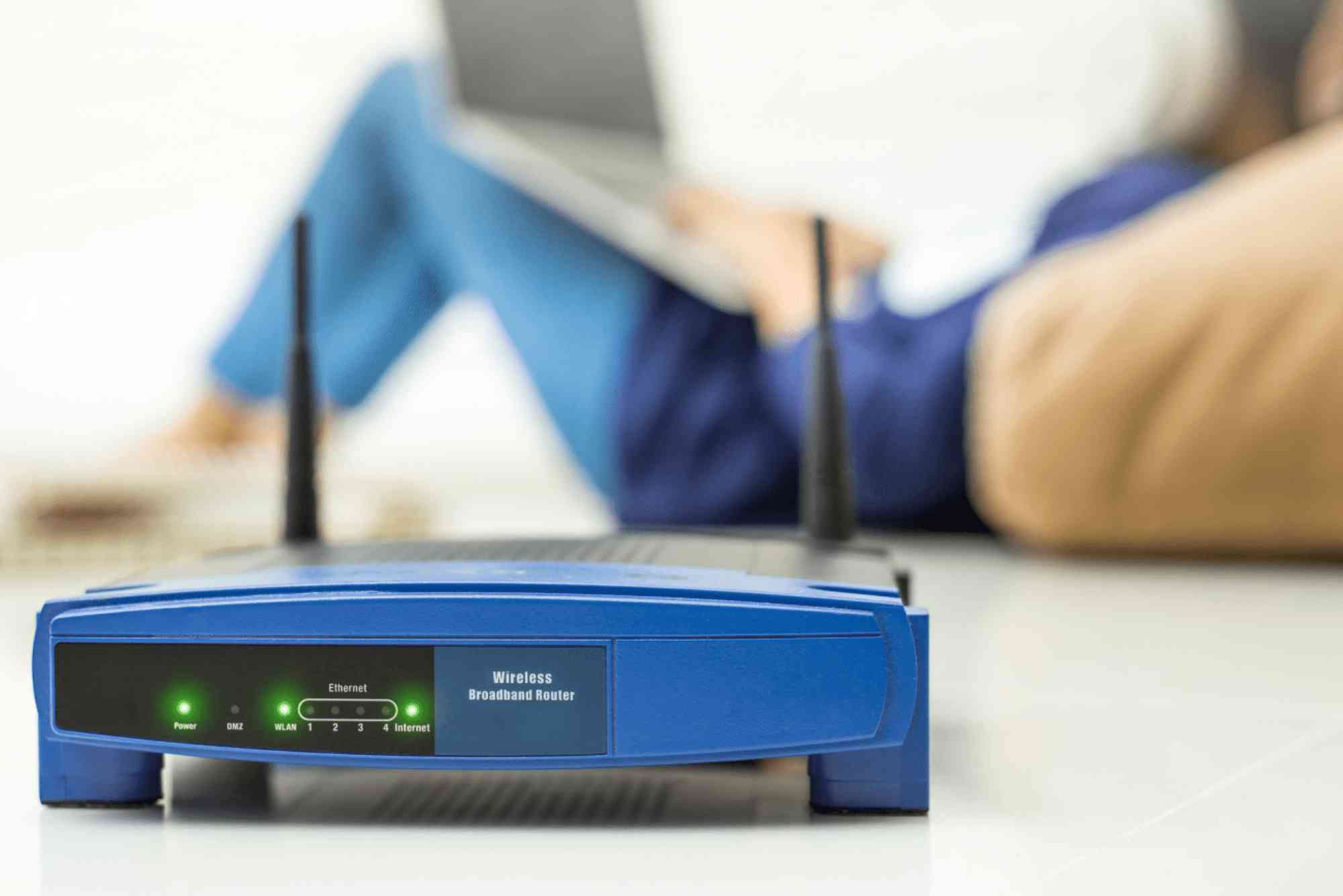
Sometimes the simplest fix is the most effective. Restarting your router clears temporary glitches in the firmware. At the same time, rebooting your laptop resets the network adapter. Together, these steps often resolve connectivity issues instantly.
Adjust Power Management Settings
Windows laptops often disconnect Wi-Fi to save battery power. This happens because power management settings disable the network adapter when idle. To stop this behavior:
-
Open Device Manager.
-
Right-click your Wi-Fi adapter and select “Properties.”
-
Navigate to the “Power Management” tab.
-
Uncheck “Allow the computer to turn off this device to save power.”
This ensures your Wi-Fi remains active, even when running on battery.
Forget and Reconnect to Your Wi-Fi Network
Saved Wi-Fi profiles may become corrupted, leading to frequent disconnects. Forgetting and reconnecting to your network creates a fresh connection. Go to your laptop’s Wi-Fi settings, click on your network, and choose “Forget.” Then reconnect by entering the password again.
Change Your Wi-Fi Frequency Band
Modern routers broadcast both 2.4GHz and 5GHz signals. Some laptops may struggle with one frequency due to interference or compatibility. Switching between them often improves stability. If your laptop keeps dropping the 5GHz band, try connecting to 2.4GHz instead. Similarly, if the 2.4GHz band is crowded, switching to 5GHz can reduce interference.
Disable Background Apps and VPNs
Background applications such as cloud backups, downloads, or even VPNs can interfere with your Wi-Fi. VPNs, in particular, may cause frequent disconnections if the server is unstable. Disabling unnecessary apps during troubleshooting can reveal whether they are the root cause.
Reset Network Settings
When none of the above works, resetting your laptop’s network settings is a powerful solution. This clears all stored Wi-Fi networks, resets adapters, and restores default configurations. On Windows, go to Settings > Network & Internet > Status > Network Reset. After restarting, reconnect to your Wi-Fi and check for stability.
Check for Router Firmware Updates
Just like your laptop, your router needs updates to stay secure and stable. Outdated firmware can cause frequent disconnections. Log into your router’s admin panel (usually through a browser) and check for available firmware updates. Applying them can significantly improve Wi-Fi performance.
Reduce Network Congestion
If multiple devices are streaming, gaming, or downloading simultaneously, your laptop may struggle to stay connected. Prioritize important devices in your router settings or consider upgrading to a higher bandwidth internet plan. Some service providers like Dhanote Internet Services offer reliable packages that reduce network congestion and provide consistent speeds.
Run the Windows Network Troubleshooter
Windows has a built-in tool to diagnose and fix connectivity issues automatically. Right-click the Wi-Fi icon in your taskbar, select “Troubleshoot problems,” and follow the on-screen instructions. While not always perfect, this tool can quickly fix minor issues without manual effort.
Replace Faulty Hardware
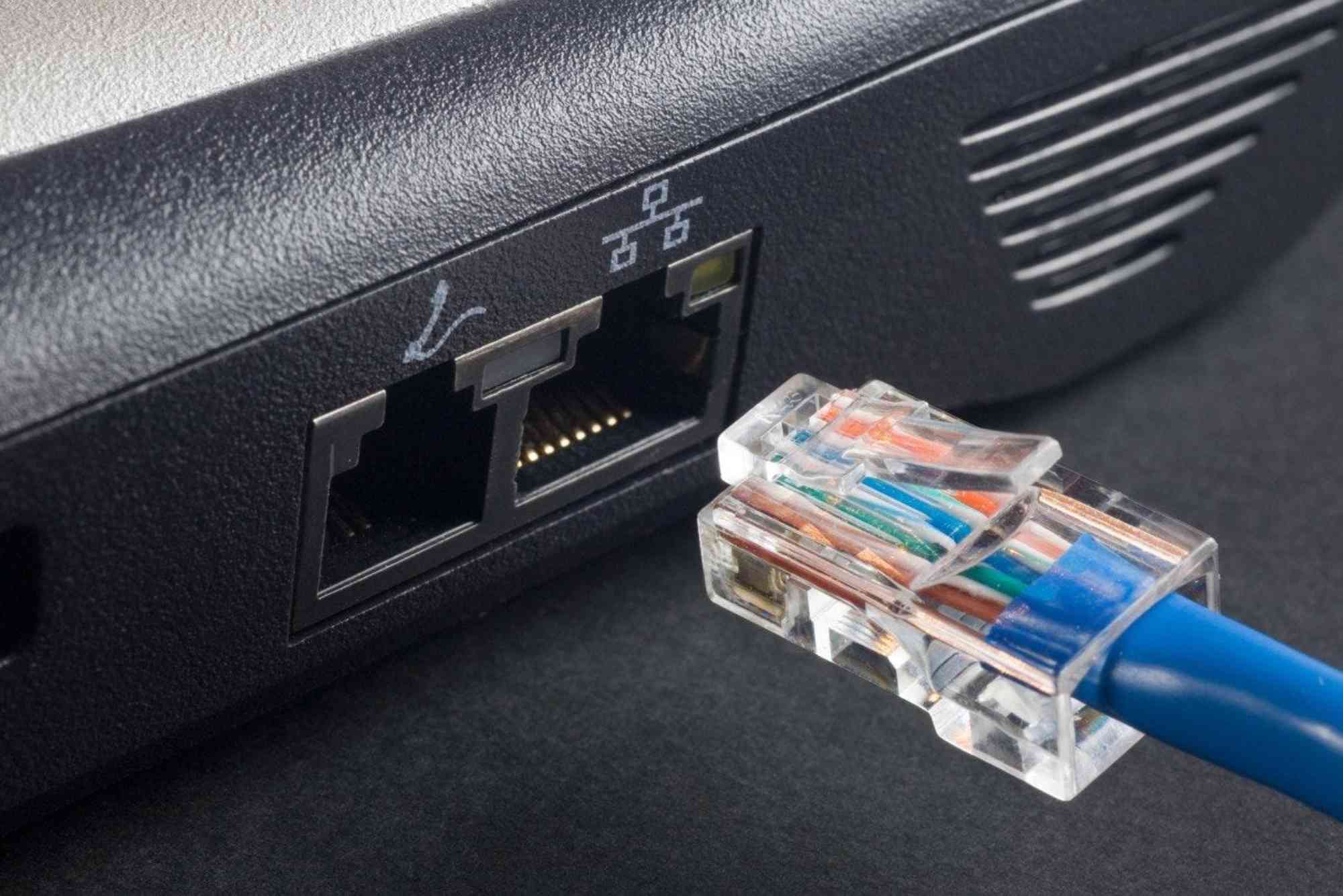
If your laptop’s Wi-Fi card is damaged, no software solution will fix the problem. External USB Wi-Fi adapters are an affordable solution. They plug into your laptop and bypass faulty internal components, providing a stable connection without costly repairs.
FAQs
Why does my Wi-Fi disconnect on my laptop but not on my phone?
This happens when your laptop’s network adapter or drivers are outdated, or when power-saving settings disable the connection. Phones use different hardware and power profiles, so they remain connected while the laptop disconnects.
How do I stop my Wi-Fi from disconnecting frequently?
Update your network drivers, adjust power management settings, and ensure your router firmware is up to date. Also, forget and reconnect to your Wi-Fi to refresh the connection.
Can a virus cause Wi-Fi disconnects on laptops?
Yes, malware can interfere with network settings and cause disconnections. Running a full antivirus scan can eliminate this possibility and restore stability.
Is it better to use 2.4GHz or 5GHz Wi-Fi on laptops?
Both have advantages. 2.4GHz offers better range but slower speeds, while 5GHz delivers faster speeds but a shorter range. Choose based on your environment and needs.
Should I replace my router if Wi-Fi keeps disconnecting?
Not always. First, try updating firmware, adjusting channels, and reducing congestion. If problems persist across multiple devices, upgrading your router may be necessary.
When Wi-Fi disconnects on laptop, it can be frustrating and disruptive. Thankfully, solutions range from simple fixes like restarting your router to advanced steps like resetting network settings or replacing faulty hardware. By following the methods outlined above, you can restore a stable internet connection and enjoy uninterrupted browsing, streaming, and work.