Introduction
Have you ever wondered why your favorite show buffers endlessly after work hours or why video calls stutter in the evening? This frustrating slowdown is a classic example of why the internet lags during peak hours. Millions of people log on at the same time, overwhelming local networks. But the good news is there are practical ways to reduce lag, improve your browsing speed, and maintain a smooth online experience. In this guide, we’ll explain the reasons behind internet congestion and show you effective fixes you can try today.
Understanding Why the Internet Lags During Peak Hours
Increased Network Congestion
During peak hours — typically between 6 p.m. and 11 p.m. — households stream videos, game online, and join video meetings simultaneously. This surge creates network congestion. Much like a busy highway during rush hour, your connection slows down because too many people are trying to access the same “road.” ISPs allocate a limited bandwidth to neighborhoods, so speeds drop when more users log in.
Shared Bandwidth Limitations
Most residential internet connections use shared bandwidth. This means your speed depends on how many others are online at the same time. Even high-speed fiber connections can experience slowdowns if too many people are drawing on the same network segment.
ISP Throttling Practices
Internet Service Providers (ISPs) sometimes deliberately slow down certain activities during peak usage to manage network load. Known as throttling, this practice often targets streaming services, torrenting, or high-bandwidth activities. While it helps stabilize the network, it creates slower connections for end users.
Technical Reasons for Internet Slowdowns
Hardware Bottlenecks at Home
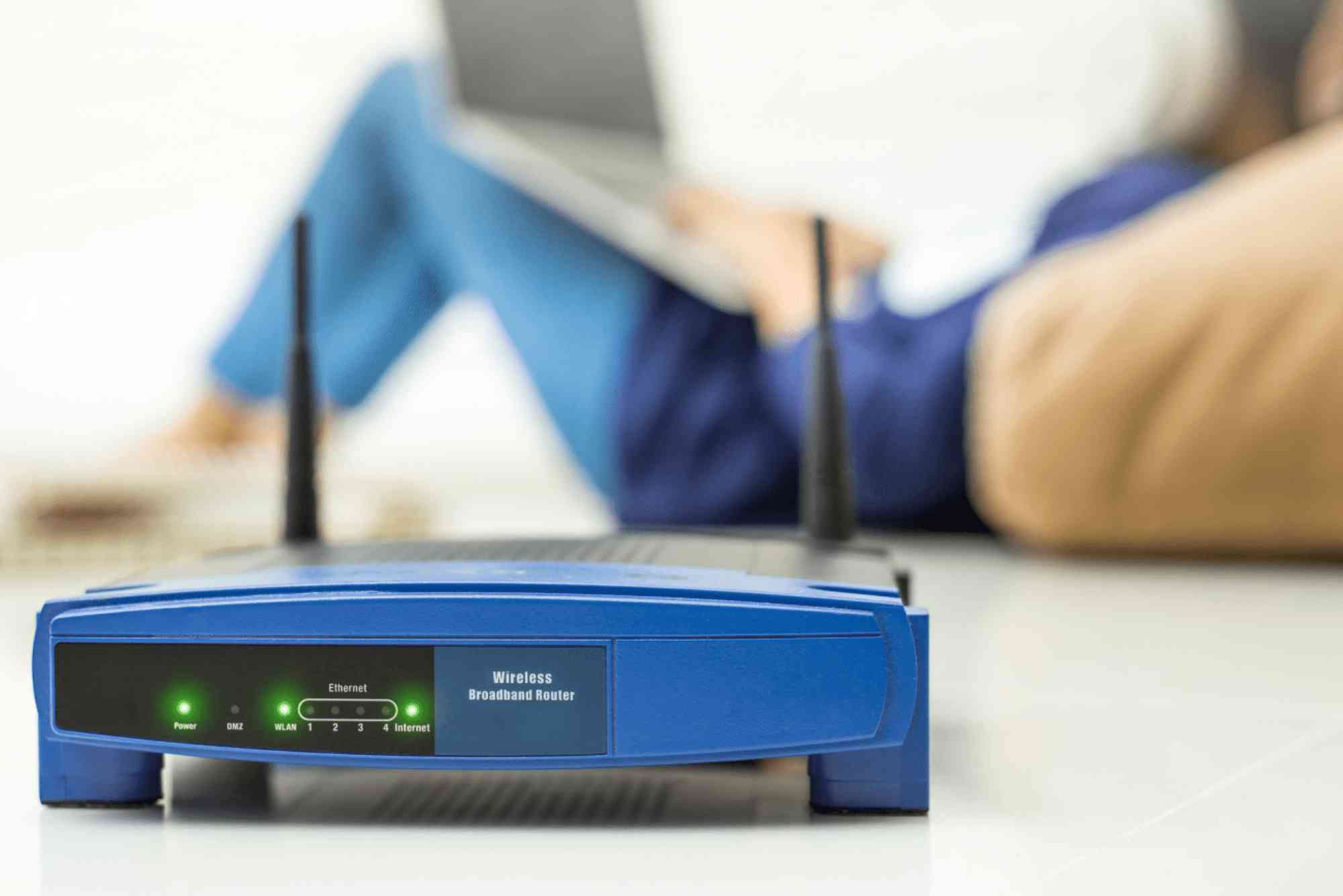
Outdated routers, weak Wi-Fi signals, and overloaded devices can also cause lag. Even if your ISP provides a strong connection, your home network equipment must be able to handle it. Older routers or incorrect configurations can reduce speeds dramatically.
Distance from Network Nodes
Your connection quality also depends on your physical distance from the ISP’s node or local exchange. Longer distances mean weaker signals and higher latency, especially on DSL or cable connections.
High-Demand Applications
Streaming 4K videos, cloud gaming, and large file uploads use huge amounts of bandwidth. When multiple people in the same household run such activities at once, lag increases sharply during peak hours.
How to Fix Internet Lag During Peak Hours
Upgrade Your Internet Plan
If your household is full of gamers, remote workers, and streamers, upgrading your plan can make a big difference. Contact your ISP to see if higher speeds or fiber connections are available in your area. Faster plans provide more bandwidth to share among devices.
Optimize Your Home Network
Make sure your router is placed in a central location and away from interference. Use modern routers with dual-band or tri-band capabilities to separate high-demand devices from low-demand ones. Update your router firmware regularly for performance and security improvements.
Use Wired Connections
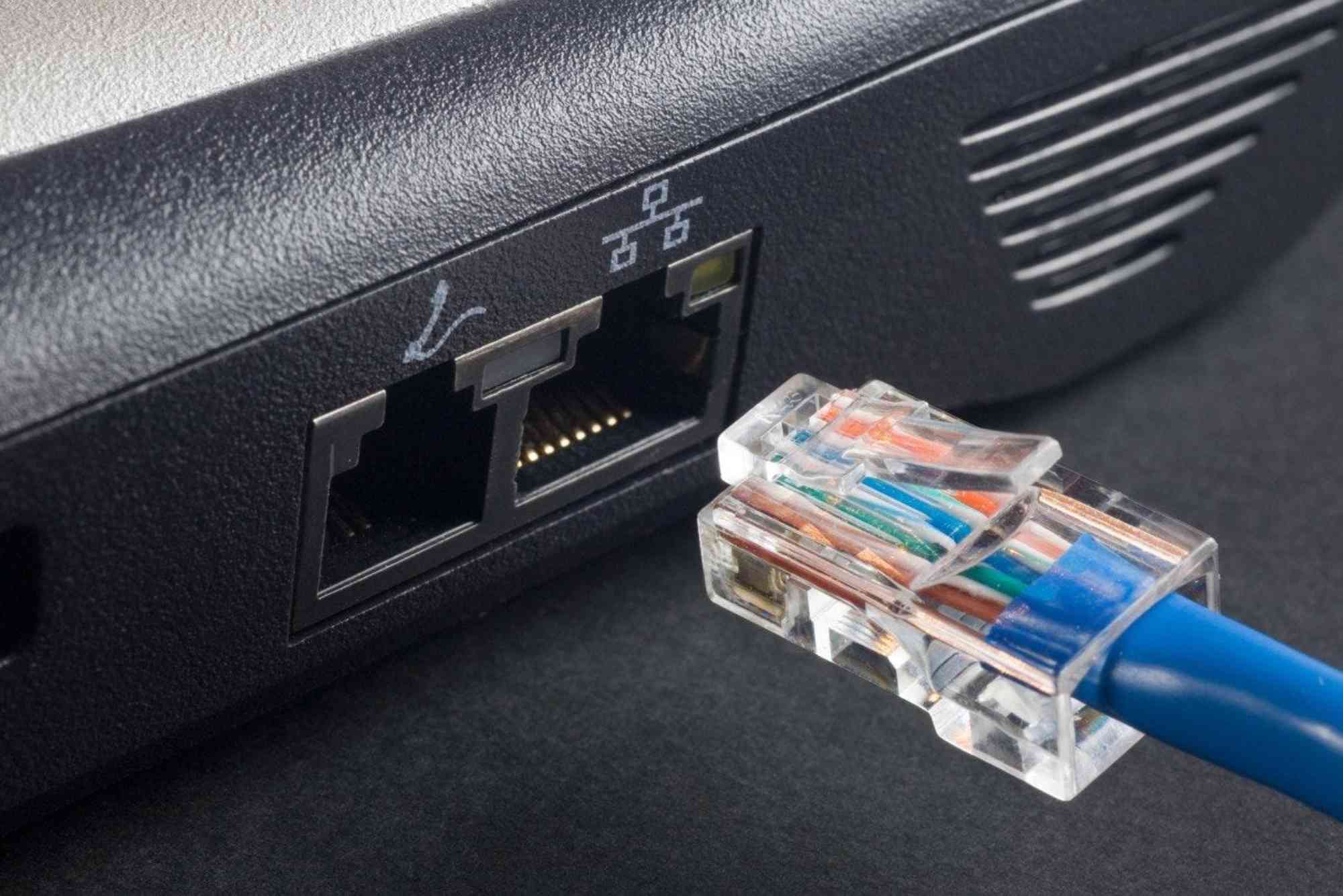
Whenever possible, connect your device directly to the router using Ethernet cables. Wired connections are faster and more stable than Wi-Fi, reducing latency during peak hours.
Schedule Heavy Downloads for Off-Peak Hours
If you must download large files or update software, schedule these tasks for early morning or late night. This reduces stress on your connection during peak periods.
Enable Quality of Service (QoS)
Many routers include Quality of Service (QoS) settings, which prioritize certain types of traffic. You can prioritize video calls or gaming, ensuring smoother performance even during busy hours.
Advanced Fixes for Persistent Lag
Check for ISP Throttling
Run speed tests at different times of day. If your speed drops sharply during peak hours but is normal late at night, throttling may be the issue. In such cases, consider contacting your ISP or switching providers.
Consider a Mesh Wi-Fi System
Large homes with multiple floors often suffer from weak Wi-Fi signals. A mesh system spreads your signal evenly, reducing dead zones and improving speeds.
Use a VPN to Bypass Throttling
Sometimes a VPN can help bypass throttling. By encrypting your traffic, your ISP may not identify the type of data you’re using, reducing the chance of speed caps. However, VPNs can also slow down speeds, so choose a high-quality provider.
The Role of ISPs and Network Infrastructure
Infrastructure Upgrades Matter
Your ISP’s network infrastructure determines how well it handles heavy traffic. Providers investing in fiber optics and advanced routing systems are less likely to experience severe slowdowns.
Local Competition Can Drive Quality
In areas with multiple ISPs, competition often improves service quality. Consumers benefit from better pricing, faster speeds, and fewer slowdowns.
Why This Matters for Businesses
For businesses such as gyms, coworking spaces, or retail shops, reliable internet is critical. If you run a location like Orange Theory Mountain View, peak-hour lag can disrupt your streaming classes, customer sign-ups, or point-of-sale systems. Understanding and fixing these issues can improve customer experience and staff productivity.
Practical Checklist for Faster Internet During Peak Hours
-
Upgrade to a higher-speed or fiber plan if available.
-
Replace or reposition your router for better coverage.
-
Prioritize wired connections where possible.
-
Limit or schedule heavy downloads during busy hours.
-
Use QoS to prioritize essential activities.
-
Contact your ISP if throttling or service issues persist.
Looking for reliable and high-speed internet providers? Check out Dhanote Internet Services for robust and dependable connections.
FAQs: Why Does Internet Lag During Peak Hours?
Why does my internet slow down every evening?
Most likely, your neighborhood network is congested during peak hours. Many people are online at once, lowering available bandwidth.
Does using Wi-Fi or Ethernet affect peak-hour speeds?
Yes. Ethernet is typically faster and more stable because it avoids wireless interference and signal loss.
Can a new router fix slow internet during peak times?
A modern router can help reduce lag caused by outdated equipment. However, it cannot fix congestion from your ISP.
How do I know if my ISP is throttling my connection?
Run speed tests at different times. A consistent drop during peak hours but normal speeds at off-peak times could indicate throttling.
Will a VPN always improve my internet speed during peak hours?
Not always. A VPN may bypass throttling but can also slow your connection due to encryption overhead.
Take Control of Your Internet Experience
Laggy internet during peak hours is frustrating, but understanding the causes gives you the power to fix it. By upgrading your plan, optimizing your home network, and using smart scheduling or QoS settings, you can regain speed and reliability. If slowdowns persist, switching to a more reliable provider such as Dhanote Internet Services may be the best solution. Don’t let peak-hour congestion disrupt your work or leisure — take proactive steps today for a faster, smoother internet experience.