Introduction
The internet has become a lifeline for work, entertainment, education, and communication. Among the various connection types, cable internet remains one of the most widely used options across homes and businesses. While it delivers reliable speeds, many users encounter performance fluctuations. This raises the question: what are cable internet speed limits, and how do they impact your online experience? Understanding cable internet speed limits is essential for making informed choices about your service plan, managing expectations, and ensuring smooth connectivity.
What Are Cable Internet Speed Limits?
Cable internet speed limits refer to the maximum bandwidth or data transfer rate that your connection can achieve. These limits are usually set by your internet service provider (ISP) and are influenced by technology, network infrastructure, and user demand. Unlike fiber connections, which provide nearly symmetrical upload and download speeds, cable internet often has asymmetrical limits. This means downloads are usually faster than uploads. For example, you may have a plan offering 200 Mbps downloads but only 20 Mbps uploads.
Why Speed Limits Exist
Cable technology uses coaxial cables, which were originally designed for transmitting television signals. While upgrades like DOCSIS (Data Over Cable Service Interface Specification) have improved efficiency, physical and technical constraints still apply. Speed limits are necessary to ensure stable performance for multiple users on a shared network. If there were no restrictions, heavy usage by a few customers could slow down speeds for an entire neighborhood.
Factors That Affect Cable Internet Speed Limits
Several elements influence the speed you actually get compared to the maximum advertised by your ISP.
Bandwidth Sharing
Cable internet relies on shared infrastructure. Multiple households in a community access the same bandwidth pipeline. During peak hours, when many users are streaming, gaming, or working online simultaneously, congestion reduces available speeds.
ISP Throttling
Some providers practice speed throttling to manage network traffic. This involves intentionally reducing your connection speed after a certain data threshold or during heavy usage periods.
Equipment Limitations
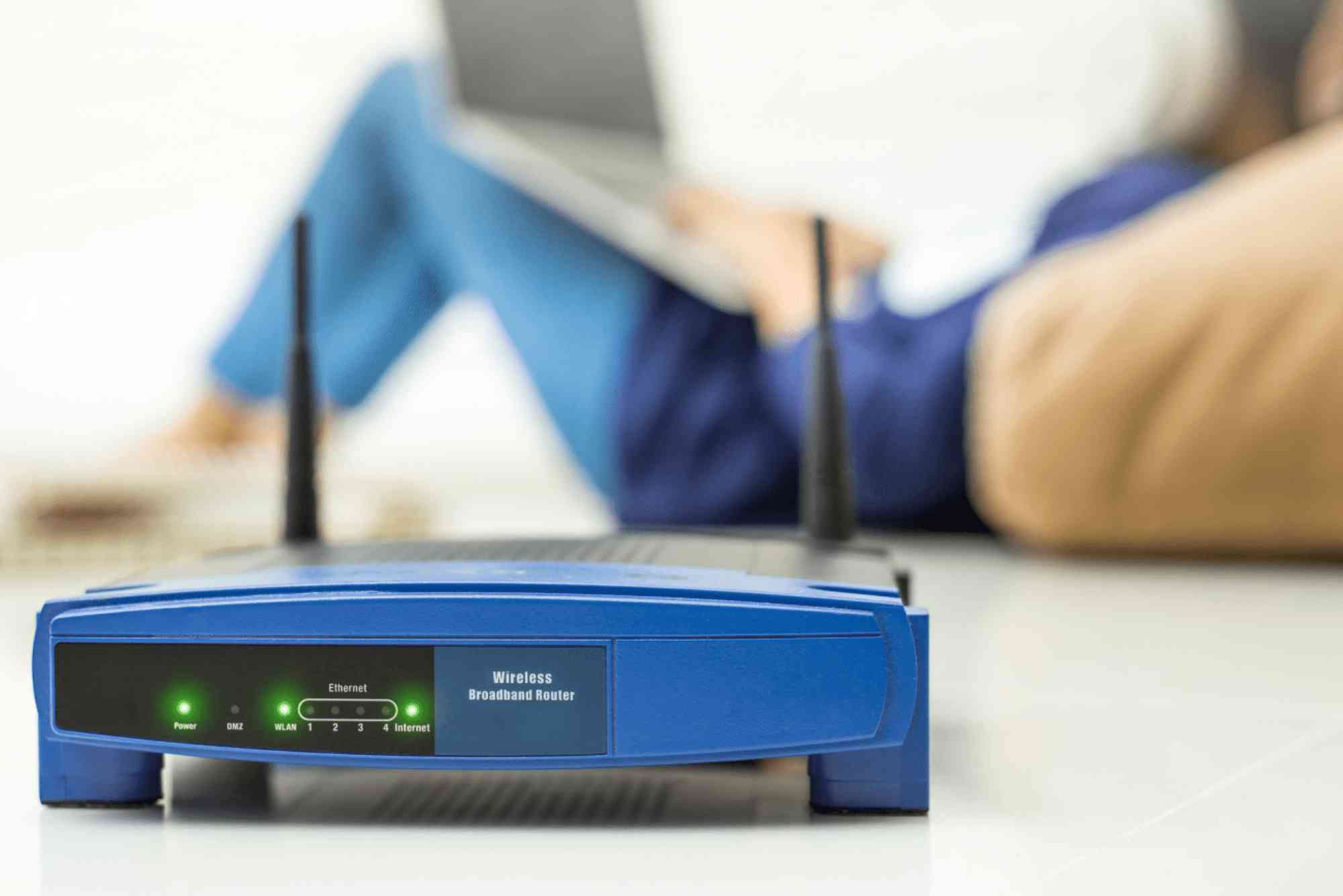
The modem and router you use play a critical role in internet performance. Older devices may not support higher DOCSIS versions, limiting speeds even if your ISP plan offers more. For example, a DOCSIS 2.0 modem cannot handle the gigabit speeds supported by DOCSIS 3.1 technology.
Distance and Wiring Quality
The quality of your home’s coaxial wiring and the distance from your ISP’s hub can also influence cable internet speed limits. Poor cabling or signal interference weakens performance.
How Cable Internet Compares to Other Options
Understanding cable internet speed limits becomes easier when compared to alternative connections.
Cable vs. Fiber
Fiber-optic internet offers much higher speed potential and symmetrical upload and download speeds. Cable internet, however, is often more widely available and affordable but limited by its coaxial technology.
Cable vs. DSL
DSL internet relies on phone lines and is generally slower than cable. Cable internet has higher speed limits, making it a better option for households with multiple devices.
Cable vs. Satellite
Satellite internet suffers from high latency and strict data caps, while cable internet provides faster speeds and more stable connections.
How Speed Limits Affect Everyday Use
Cable internet speed limits influence everything from browsing to gaming.
Streaming
Platforms like Netflix and YouTube require consistent speeds to deliver HD or 4K content. If your connection drops below the required limit, buffering occurs.
Online Gaming
Gamers rely on low latency and fast upload speeds. Since cable internet usually has limited uploads, lag can be an issue in multiplayer games.
Remote Work
With more people working from home, video calls and file sharing demand higher upload speeds. Cable internet speed limits may cause disruptions in virtual meetings if uploads are too restricted.
Smart Homes
Modern households often use multiple smart devices simultaneously. From voice assistants to security cameras, each device consumes bandwidth. Speed limits mean your network performance may struggle under heavy load.
Overcoming Cable Internet Speed Limits
While you cannot completely remove the inherent limits of cable internet, you can optimize your experience.
Upgrade Your Plan
Check with your ISP for higher-tier packages. Moving from a 100 Mbps to a 500 Mbps plan can significantly improve performance for busy households.
Use Updated Equipment
Invest in a DOCSIS 3.1 modem and a high-quality router. This ensures you are not restricted by outdated hardware.
Optimize Network Usage
Limit background downloads, schedule updates for off-peak hours, and prioritize bandwidth for important activities like work calls or streaming.
Consider Alternatives
If cable internet speed limits become a bottleneck, consider switching to fiber or fixed wireless if available in your area.
The Role of ISPs in Managing Speed Limits
Internet providers must balance performance, cost, and infrastructure constraints. Some companies are improving cable networks with advanced DOCSIS 4.0 technology, which promises faster speeds and better upload capabilities. Still, customers should carefully evaluate service providers based on transparency, reliability, and customer support. Providers like Dhanote Internet Services are known for delivering consistent performance while offering competitive packages tailored to household and business needs.
Future of Cable Internet Speed Limits
As technology advances, cable internet will continue to evolve. With the rollout of DOCSIS 4.0, speed limits are expected to reach up to 10 Gbps downloads and 6 Gbps uploads. This improvement narrows the gap with fiber connections. However, the shared nature of cable infrastructure means speed limits will likely remain a defining factor.
Cable internet speed limits are an unavoidable part of the technology, but understanding them helps you make better decisions. They are shaped by infrastructure, ISP policies, and the shared nature of networks. While these limits can impact streaming, gaming, and remote work, you can improve your experience by upgrading your plan, using modern equipment, and managing network usage wisely. With upcoming innovations like DOCSIS 4.0, cable internet is set to remain a strong competitor to fiber.
If you are looking for reliable services that balance speed and affordability, explore options from providers like Dhanote Internet Services. Choosing the right provider and plan ensures you get the best possible performance for your household or business needs.
FAQs
Why is my cable internet slower than advertised?
Your actual speeds may be lower due to peak usage times, network congestion, equipment limitations, or ISP throttling.
What is the maximum speed for cable internet?
With current DOCSIS 3.1 technology, cable internet can reach up to 1 Gbps downloads. Future upgrades with DOCSIS 4.0 may push speeds even higher.
How do I check if my equipment supports higher speeds?
Look at your modem’s specifications. If it is DOCSIS 2.0 or 3.0, upgrading to DOCSIS 3.1 ensures compatibility with faster plans.
Do cable internet speed limits affect uploads more than downloads?
Yes, cable connections are typically asymmetrical, with much lower upload speeds compared to downloads.
Can cable internet handle multiple devices at once?
Yes, but performance depends on your plan and equipment. Higher bandwidth plans are better for households with many devices.
Is fiber better than cable internet?
Fiber offers higher speed limits and symmetrical uploads and downloads. However, cable remains more accessible and affordable in many regions.