Slow internet can disrupt everything from video calls to streaming your favorite shows. If your network at home or work feels sluggish, knowing how to troubleshoot slow internet is crucial. This guide will walk you through proven techniques to identify the cause and improve your connection. By the end, you’ll understand why your network is slow and what steps to take to optimize performance.
Understanding Why Your Internet is Slow
Slow internet can be caused by a variety of factors. Sometimes, the problem lies with your Internet Service Provider, while other times, your equipment or network configuration may be at fault. Interference, bandwidth limitations, outdated hardware, and even network congestion can affect your online experience. Recognizing the root cause is the first step toward a faster and more reliable connection.
Checking Your Internet Speed
Before taking action, it’s important to test your connection. Internet speed tests measure download and upload rates, helping you determine if your network is underperforming. If the results are significantly lower than your plan, it could indicate a problem with your router, service provider, or connected devices. Frequent speed drops may also point to network congestion or peak usage times.
Identifying Network Congestion
When multiple devices are connected to your network, bandwidth can be stretched thin. This is common in households or offices where streaming, gaming, and large file downloads occur simultaneously. Monitoring which devices use the most data can help pinpoint sources of slowdown. In some cases, prioritizing bandwidth for critical tasks ensures smoother performance for essential activities.
Router and Modem Troubleshooting
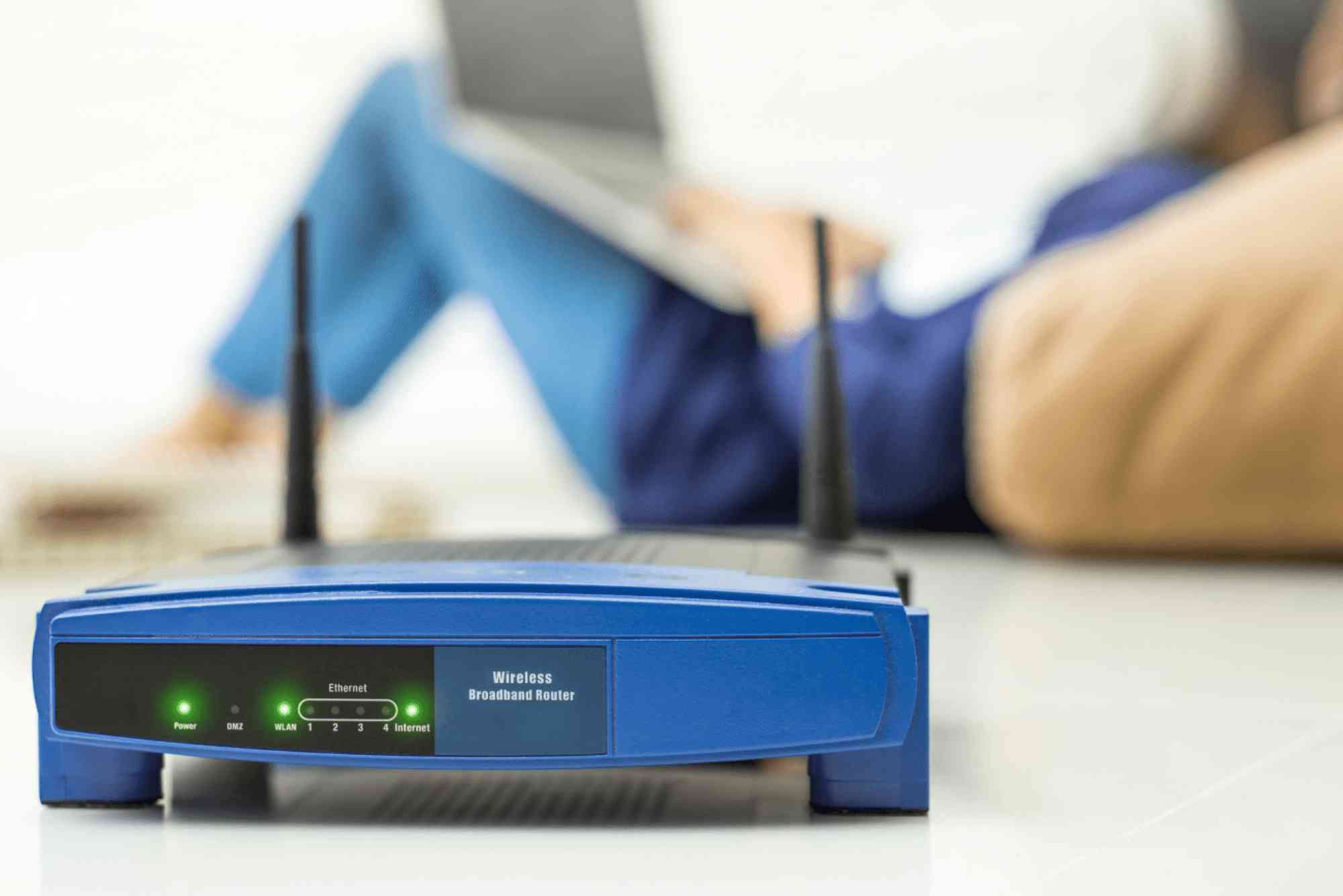
Your router and modem are the central hubs of your network. Over time, outdated firmware, physical damage, or improper placement can lead to slow internet.
Updating Firmware
Manufacturers frequently release firmware updates to improve performance and security. Outdated firmware can cause connection drops, slow speeds, and network instability. Checking your router’s settings or visiting the manufacturer’s website ensures you have the latest version installed.
Optimizing Placement
Physical placement affects Wi-Fi signals. Walls, furniture, and electronic appliances can interfere with connectivity. Position your router in a central, elevated location for optimal coverage. Avoid placing it near microwaves or cordless phones, which can disrupt signals.
Restarting Equipment
Sometimes, a simple restart of your modem and router resolves slow internet issues. Power cycling clears temporary glitches and re-establishes network connections, often restoring speed without complex troubleshooting.
Device-Specific Solutions
Slow internet might not always be a network problem. Individual devices can experience connectivity issues due to software, settings, or malware.
Checking Device Settings
Ensure that network settings on your devices are optimized. This includes verifying Wi-Fi connections, disabling unnecessary background apps, and updating drivers. Devices running multiple applications in the background can significantly slow internet speed, even if the network is performing well.
Malware and Viruses
Malicious software can consume bandwidth and compromise performance. Regularly scan your devices for malware using trusted antivirus programs. Eliminating threats not only boosts speed but also protects your personal data and network security.
Advanced Network Troubleshooting
If basic steps don’t solve slow internet, deeper diagnostics may be necessary.
Using a Wired Connection
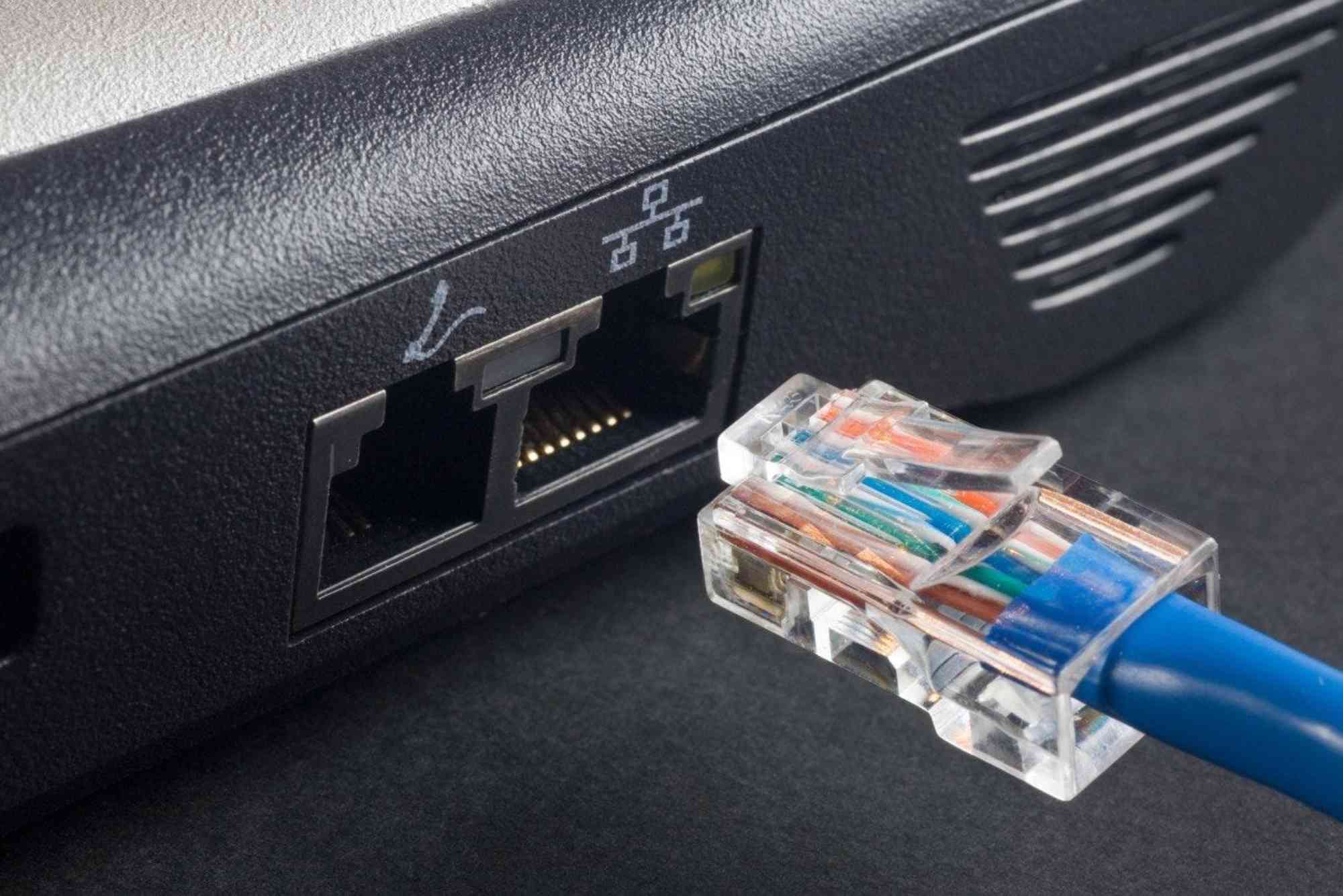
Testing your internet via an Ethernet cable can help determine if Wi-Fi is the bottleneck. Wired connections often provide more stable and faster speeds, revealing whether the issue is wireless interference or the service itself.
Adjusting Router Settings
Routers have settings like Quality of Service (QoS) and channel selection. Adjusting these settings can prioritize traffic for essential applications and reduce congestion. Choosing a less crowded Wi-Fi channel improves performance, especially in apartment buildings or densely populated areas.
Contacting Your ISP
Sometimes, the problem lies beyond your control. Service outages, throttling, or line issues can reduce speeds. Contacting your Internet Service Provider allows them to perform diagnostics and address issues that require professional attention. Services like Dhanote Internet Services offer support and can help troubleshoot persistent slow internet problems effectively.
Maintaining Optimal Network Performance
Once you’ve resolved slow internet issues, maintaining speed requires ongoing attention. Regularly updating hardware, monitoring bandwidth usage, and performing periodic speed tests ensure consistent performance. Being proactive prevents frustration and keeps your network ready for streaming, work, or gaming without interruptions.
Securing Your Network
An unsecured network can allow unauthorized users to access bandwidth, slowing your connection. Use strong passwords, enable WPA3 security, and restrict guest access. Securing your network protects both speed and personal information.
Managing Bandwidth Usage
Awareness of how your devices use bandwidth can help prevent slowdowns. Limiting high-data activities during peak usage or scheduling large downloads overnight can reduce network congestion and maintain performance for critical tasks.
Common Questions About Slow Internet
Why is my internet slow even with high-speed plans?
Slow internet despite having a high-speed plan often results from device limitations, network congestion, or Wi-Fi interference. Updating equipment and optimizing settings can help.
How can I tell if the problem is my ISP or my home network?
Testing your connection with a wired device or comparing speeds on multiple devices helps determine the source. Persistent issues on all devices may indicate an ISP problem.
Can old routers cause slow internet?
Yes, outdated routers often struggle with modern speeds and multiple devices. Upgrading to a current model can improve network performance.
Will restarting my modem help with slow internet?
Restarting your modem and router can resolve temporary glitches and restore speed, making it a quick first step in troubleshooting.
How do I optimize Wi-Fi for multiple devices?
Use Quality of Service (QoS) settings, place your router centrally, and reduce interference from other electronics to ensure smoother performance for all devices.
Troubleshooting slow internet requires a combination of testing, optimizing equipment, and monitoring network usage. By systematically addressing each potential cause, you can significantly improve speed and reliability. Whether adjusting router settings, securing your network, or contacting your ISP, proactive steps ensure seamless online experiences.