Fine-Tune Your Wi-Fi for Buffer-Free Video Calls
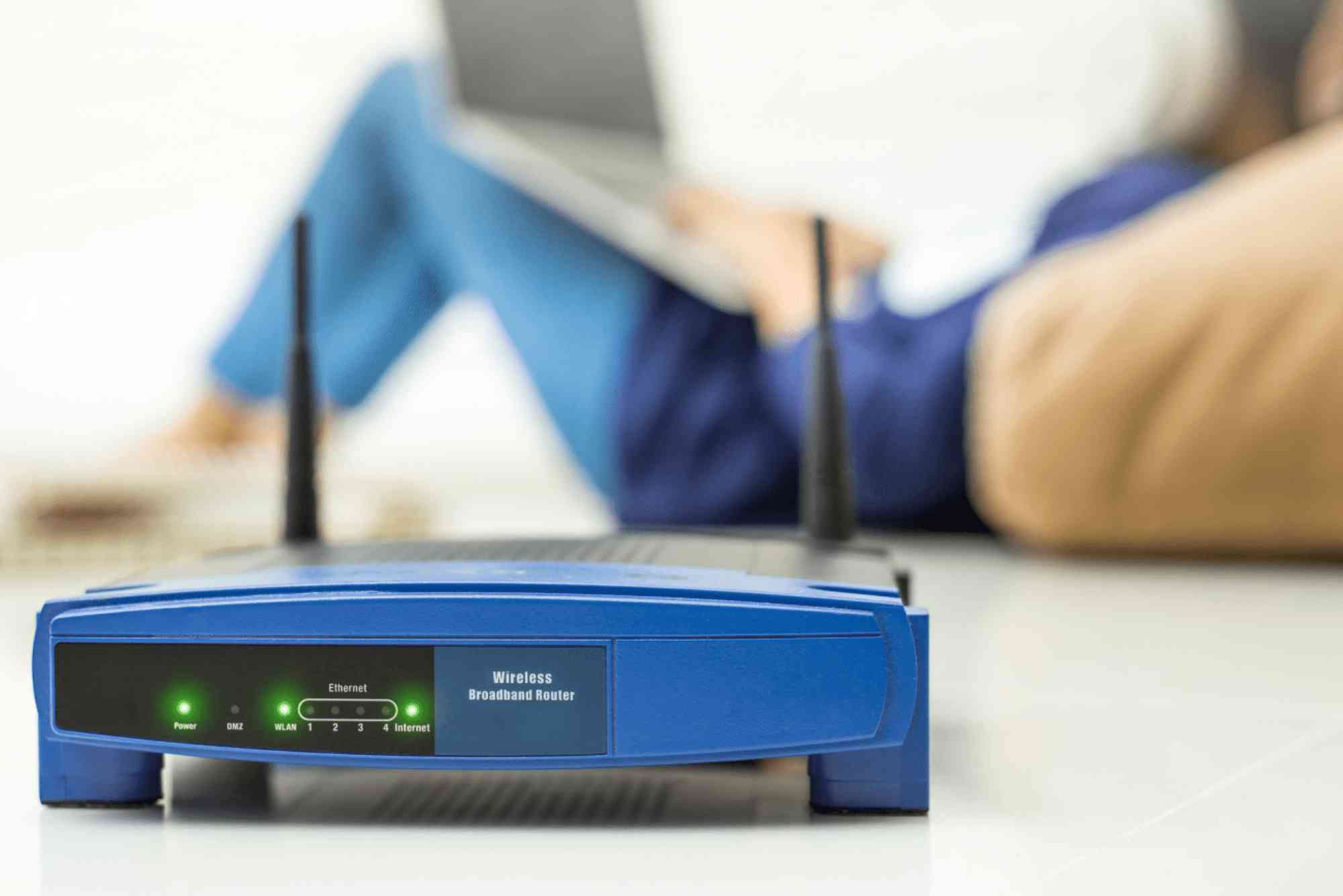
Video calls are now a lifeline for work, learning, and connecting with loved ones. But nothing kills a conversation faster than frozen screens or distorted voices. If you often ask, “Can you hear me now?” then it’s time to optimize Wi-Fi for video calls. Strong, stable internet is no longer optional—it’s essential. By understanding how Wi-Fi works and applying a few smart tweaks, you can enjoy buffer-free, crystal-clear calls every time.
Why Optimizing Wi-Fi for Video Calls Matters
Video conferencing demands more from your internet than casual browsing. Unlike loading a webpage, video calls are live, requiring constant two-way data flow. Even a small disruption in bandwidth can cause lag or dropped calls. Popular platforms like Zoom, Google Meet, and Microsoft Teams recommend at least 3–4 Mbps for standard-quality calls and even higher for HD.
However, speed alone isn’t the full picture. Stability, low latency, and minimal interference play equally critical roles. This is why simply having fast internet isn’t enough—you need to fine-tune your network to perform consistently during live calls.
Understanding the Core Wi-Fi Factors
Before making adjustments, it helps to understand the building blocks that affect video call performance.
Bandwidth Allocation
Bandwidth is like a highway. If multiple devices stream videos, download files, or play games while you’re on a call, congestion happens. That’s when voices cut out or video freezes.
Latency and Ping
Latency measures the time data takes to travel. A high ping creates noticeable delays. For smooth video calls, latency should remain under 50ms.
Signal Strength
Weak Wi-Fi signals are a common culprit behind unstable calls. Walls, distance, and interference from other devices reduce signal quality.
Network Interference
Microwaves, Bluetooth devices, and neighboring Wi-Fi networks often overlap frequencies. This interference results in jittery audio and pixelated video.
By managing these factors, you can significantly optimize Wi-Fi for video calls.
Steps to Optimize Wi-Fi for Video Calls
Improving video call performance doesn’t always require expensive upgrades. Small, practical changes often deliver big results.
Choose the Right Frequency Band
Most routers offer 2.4 GHz and 5 GHz bands. The 2.4 GHz band covers larger areas but suffers from interference. The 5 GHz band offers faster speeds and less congestion, making it ideal for video calls if you’re close to the router.
Prioritize Your Video Call Device
Modern routers include a feature called Quality of Service (QoS). It allows you to give priority to certain applications or devices. By setting your laptop or phone as the top priority, video call traffic won’t compete with background downloads.
Reduce Device Overload
If everyone in your household uses the same network, performance drops. Disconnect idle devices, pause smart TVs, or limit cloud backups during important meetings.
Optimize Router Placement
The location of your router can make or break signal strength. Place it in a central spot, elevated, and away from thick walls. Avoid keeping it near microwaves, cordless phones, or metal appliances.
Keep Your Router Updated
Just like software, routers need firmware updates. Manufacturers release patches that improve stability, security, and speed. Logging into your router’s admin panel lets you check for the latest version.
Consider a Wired Connection
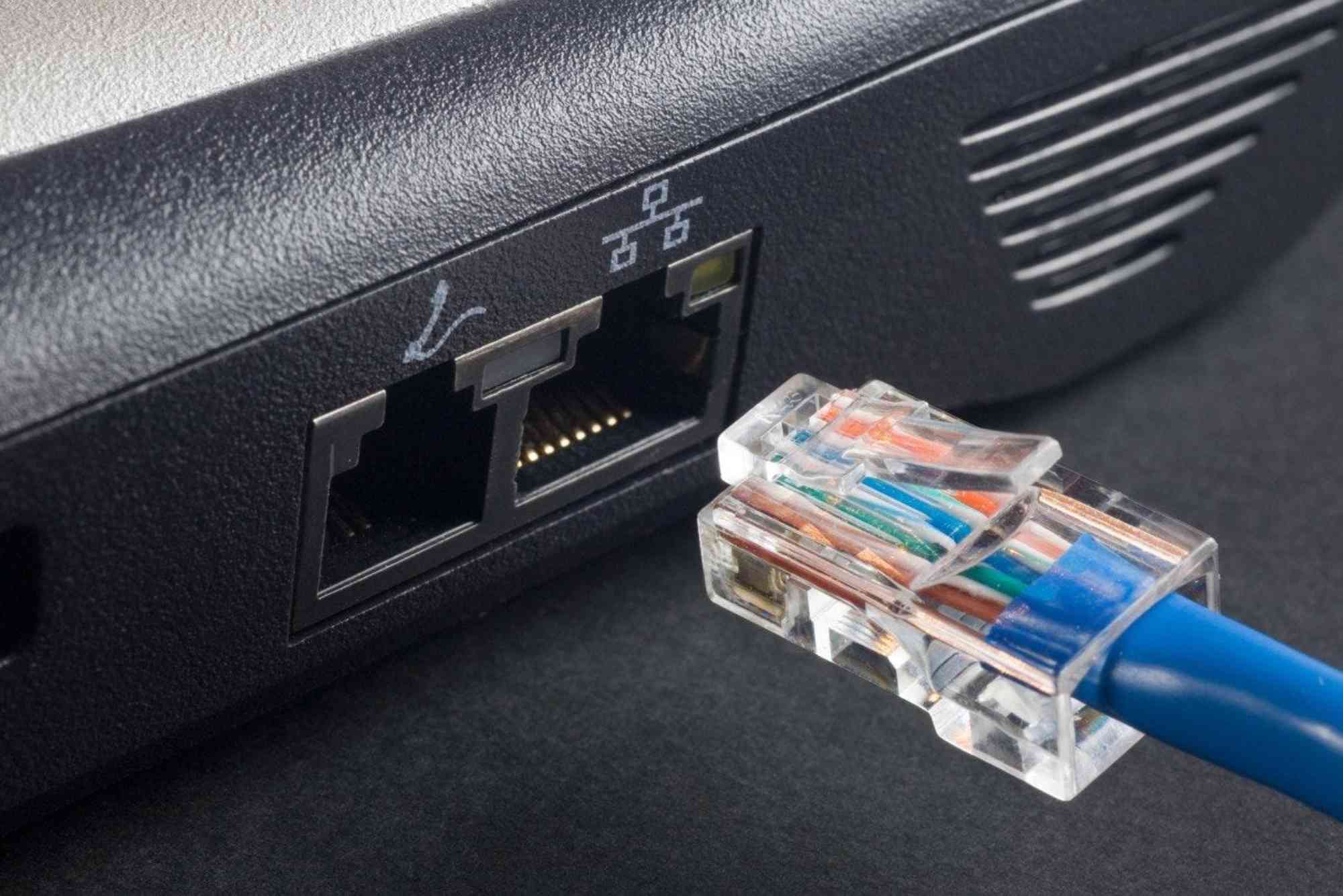
For the most reliable connection, use an Ethernet cable. Wired connections eliminate interference, reduce latency, and guarantee consistent performance. If your work depends heavily on calls, this is a worthwhile step.
Invest in Wi-Fi Extenders or Mesh Systems
In larger homes or offices, Wi-Fi dead zones are common. A mesh Wi-Fi system or extender expands coverage, ensuring smooth calls even in distant rooms.
Fine-Tuning Beyond Hardware
Technology plays a role, but user habits matter too. Even with a strong connection, poor setup choices can harm call quality.
Close Background Apps
Video calls use significant system resources. Closing unnecessary browser tabs or apps reduces strain on both your device and network.
Adjust Video Quality
Most platforms let you switch between HD and standard video. If your connection is shaky, lowering quality ensures smoother audio and fewer freezes.
Schedule Calls Strategically
If possible, avoid peak internet hours. Evening times, when households stream or game, often slow networks. Early mornings or afternoons may deliver better stability.
Monitor Your Internet Plan
Sometimes, the issue isn’t setup but your internet package. Video-heavy households need more bandwidth than basic browsing users. Upgrading your plan with providers like Dhanote Internet Services ensures smoother experiences.
Security Measures That Improve Performance
Few realize that security directly impacts video call quality. An unsecured network attracts unauthorized users, eating up bandwidth.
Use Strong Encryption
Always enable WPA3 or WPA2 encryption on your router. This prevents neighbors from freeloading on your connection.
Change Default Passwords
Weak passwords invite intrusions. A unique, strong Wi-Fi password ensures only authorized devices connect.
Regularly Check Connected Devices
Your router’s admin panel shows all connected devices. If you spot unknown ones, change your password immediately.
Professional Tweaks for Power Users
If you rely on video calls daily, consider deeper adjustments.
Switch DNS Servers
Changing your Domain Name System (DNS) to faster alternatives like Google DNS or Cloudflare can improve speed and reliability.
Use a Dedicated Router for Work
Separating home and work traffic minimizes congestion. Some professionals install a secondary router dedicated only to work devices.
Monitor Network Performance
Apps like NetSpot or Speedtest provide real-time data on your Wi-Fi performance. Monitoring helps you identify bottlenecks before critical meetings.
FAQs
How do I improve Wi-Fi for Zoom calls?
To improve Zoom calls, prioritize your device using QoS, move closer to the router, and disconnect idle devices.
Why does my video call keep freezing even with fast internet?
Fast internet doesn’t guarantee stability. High latency, interference, or poor router placement can cause freezes during calls.
Is 5 GHz better than 2.4 GHz for video calls?
Yes, 5 GHz generally provides faster speeds and less interference. However, it works best within shorter distances from the router.
How much bandwidth do I need for HD video calls?
For one-on-one HD calls, at least 3–4 Mbps is recommended. Group calls or full HD may require 8 Mbps or more.
Can using a VPN affect my video call quality?
Yes, VPNs often add extra latency. Unless required for security, it’s better to disable VPNs during important calls.
Buffering, lag, and frozen screens don’t have to be part of your daily routine. By learning how to optimize Wi-Fi for video calls, you can transform your communication experience. From simple tweaks like repositioning your router to advanced steps such as using Ethernet connections or mesh systems, every improvement adds up to smoother, clearer conversations.