Introduction
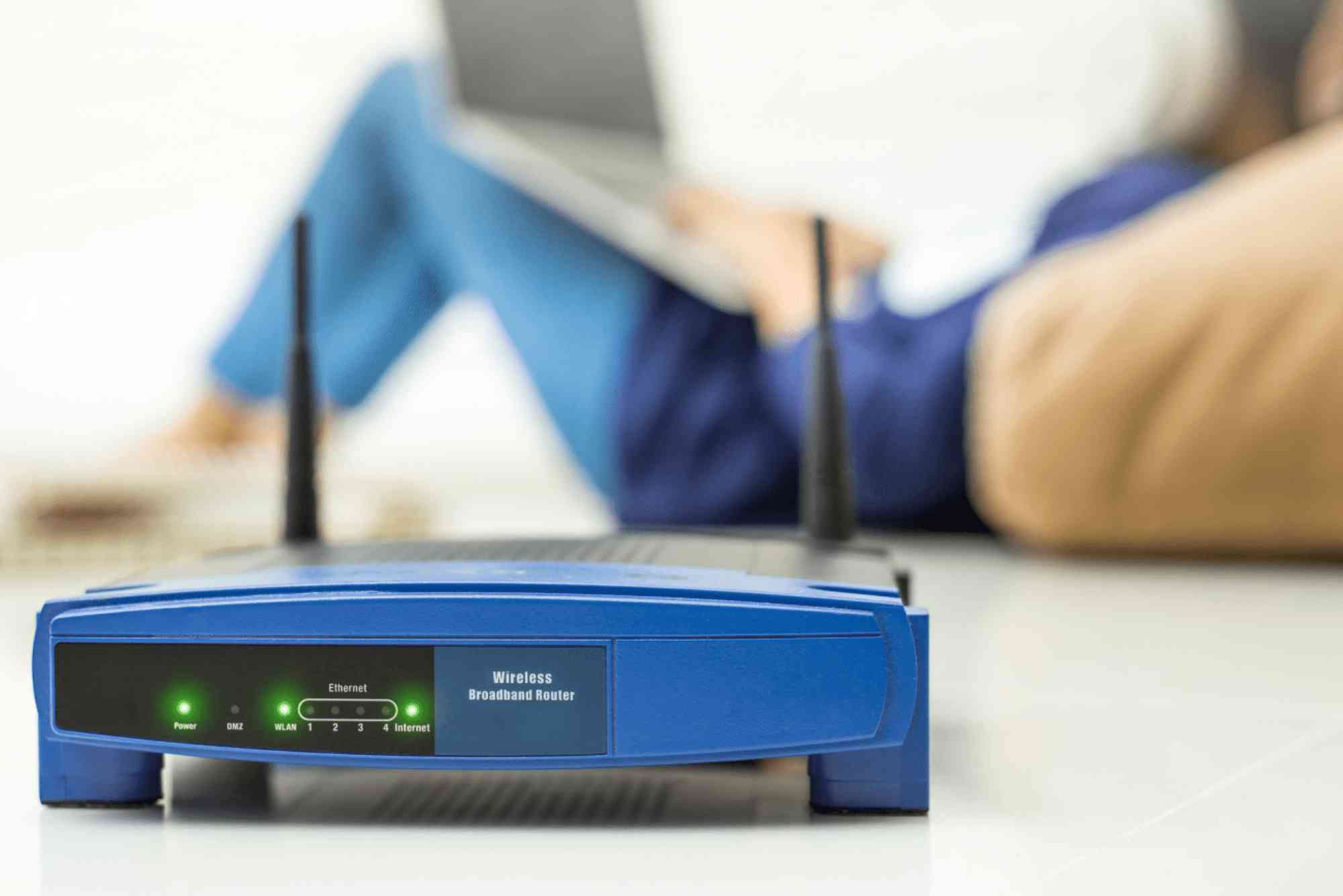
Choosing between mesh Wi-Fi vs wired Ethernet backhaul has become a key decision for anyone setting up a modern home or office network. With the increasing number of devices we use daily—smartphones, smart TVs, laptops, and IoT gadgets—the demand for strong and consistent internet has never been higher. While mesh Wi-Fi promises flexibility and convenience, wired Ethernet backhaul offers unmatched stability and speed.
Understanding the strengths and weaknesses of both solutions can help you avoid frustrations like dead zones, lag during video calls, or buffering while streaming. In this guide, we’ll break down everything you need to know, so you can make an informed choice that suits your home or workspace.
What Is Mesh Wi-Fi?
Mesh Wi-Fi is a system of multiple wireless nodes that work together to blanket your home with consistent Wi-Fi coverage. Instead of relying on a single router, these nodes communicate with one another to eliminate dead spots and extend coverage across larger areas.
A major advantage of mesh Wi-Fi is its ease of installation. You can place nodes in different rooms and they automatically connect, creating a seamless network under one SSID (network name). This setup is ideal for people living in multi-story houses or larger apartments where a single router can’t cover every corner.
What Is Wired Ethernet Backhaul?
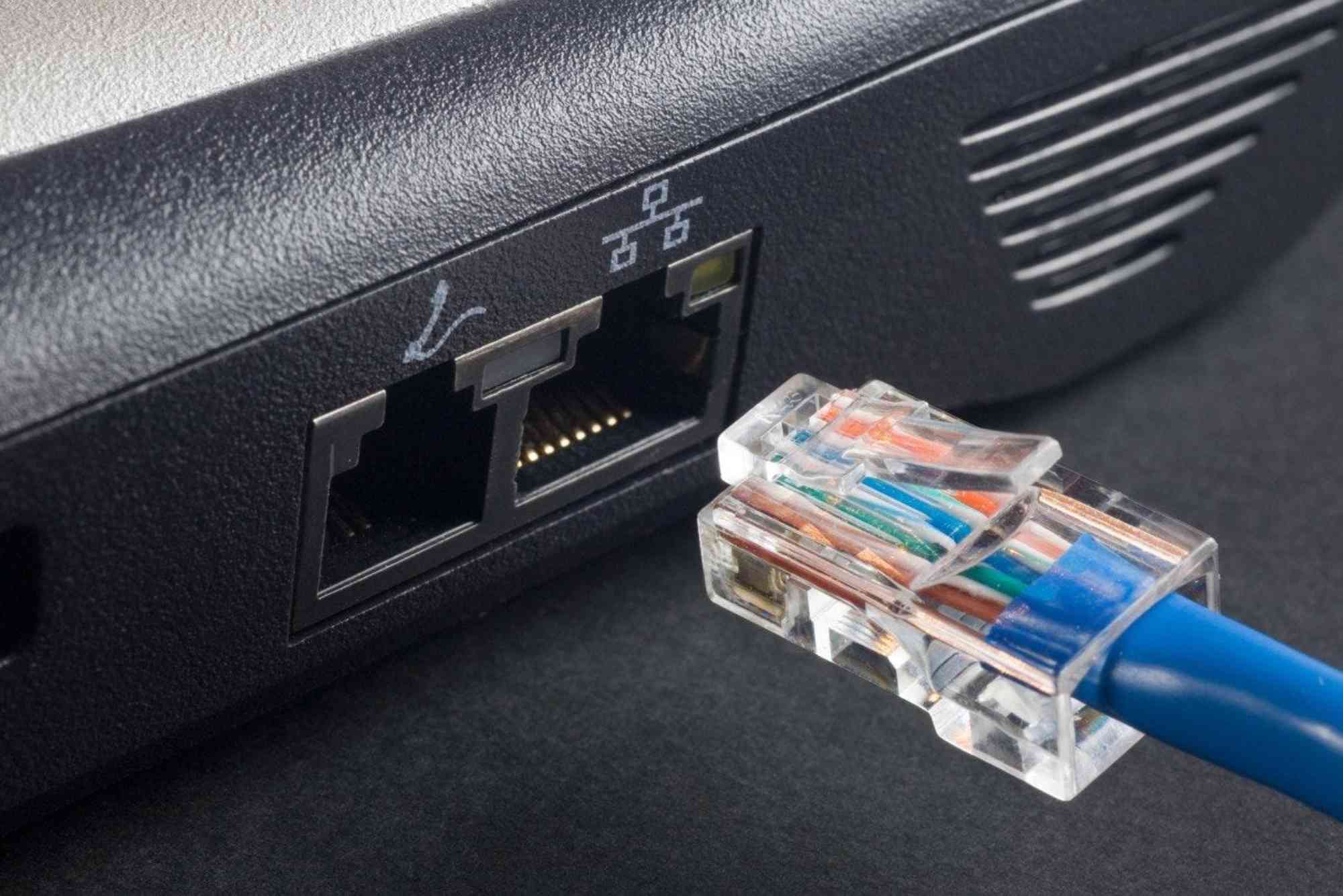
Wired Ethernet backhaul refers to connecting mesh nodes or access points with physical Ethernet cables. Instead of relying on wireless connections between the nodes, Ethernet cables provide a direct, wired path for data to travel.
This setup ensures faster speeds, lower latency, and less interference. Wired backhaul essentially combines the benefits of mesh Wi-Fi’s flexibility with the reliability of a wired connection. It’s especially useful in environments with heavy internet use, such as gaming, video conferencing, or streaming in ultra-high-definition.
Mesh Wi-Fi vs Wired Ethernet Backhaul: Speed and Performance
When comparing mesh Wi-Fi vs wired Ethernet backhaul, speed is often the deciding factor. Wireless mesh networks tend to lose some bandwidth as signals bounce between nodes. The farther a device is from the primary router, the slower the connection may become.
With wired Ethernet backhaul, each node communicates through physical cabling, so data doesn’t lose speed due to wireless interference. This ensures that the maximum bandwidth is delivered consistently across the network. For households with gigabit internet, Ethernet backhaul is the only way to fully utilize those speeds.
Reliability and Stability
Mesh Wi-Fi depends on wireless signals, which can be disrupted by thick walls, microwaves, or neighboring networks. While most modern mesh systems use advanced technologies like band steering and self-healing, they can still experience occasional dropouts.
Wired Ethernet backhaul, on the other hand, provides rock-solid reliability. Once the cables are installed, the connection is immune to most forms of interference. This makes it the best option for mission-critical tasks such as remote work, online exams, or professional gaming.
Ease of Setup and Flexibility
Mesh Wi-Fi is a clear winner when it comes to convenience. You don’t need to run cables through your walls or floors—just plug in the nodes and follow the setup instructions on the app. Most systems configure themselves in minutes, making them perfect for renters or anyone not comfortable with networking hardware.
Wired Ethernet backhaul requires more effort. You may need to drill holes, run cables through walls, or hire a professional installer. However, once the setup is complete, you gain long-term stability and performance benefits.
Coverage in Large Homes
Mesh Wi-Fi shines in large homes. You can add more nodes to extend coverage into attics, basements, or outdoor areas. Many systems also let you mix wireless and wired backhaul, so you can use Ethernet where it’s feasible and rely on wireless nodes elsewhere.
Ethernet backhaul can also provide full coverage, but it requires running cables to every room where you want a connection. While this is easier in new constructions with Ethernet wiring, it can be challenging in older homes.
Cost Considerations
Mesh Wi-Fi systems vary in price depending on the brand and number of nodes. For most households, a starter pack is enough, but larger homes may need additional nodes, increasing the cost.
Wired Ethernet backhaul may involve higher upfront expenses for cables, switches, or professional installation. However, once installed, it often saves money in the long run by providing consistent performance without needing frequent upgrades.
Security Implications
Modern mesh Wi-Fi systems come with advanced security features like WPA3 encryption, parental controls, and automatic firmware updates. However, because they operate wirelessly, they may be slightly more vulnerable to external interference or hacking attempts if not configured properly.
Ethernet backhaul adds a physical layer of security. Data travels through cables, making it harder for external actors to intercept. This is especially valuable for businesses or individuals handling sensitive information.
Real-Life Scenarios
If you live in a rental apartment and want quick setup without drilling holes, mesh Wi-Fi is the way to go. On the other hand, if you’re a professional gamer or working from home with constant video calls, Ethernet backhaul will give you the reliability you need.
For families, a hybrid approach often works best. For instance, you can connect the main router and critical devices like gaming consoles via Ethernet while using mesh Wi-Fi for smartphones and tablets around the house.
FAQs
Is wired backhaul faster than wireless?
Yes, wired backhaul is significantly faster and more reliable because it eliminates wireless interference.
Do I need Ethernet backhaul for my mesh system?
Not always. If your home is small and free from obstructions, wireless mesh may be enough. Larger homes benefit more from Ethernet backhaul.
Can I mix wired and wireless backhaul?
Yes. Many modern mesh systems support a mixed setup, letting you use Ethernet in some areas and wireless in others.
Is mesh Wi-Fi good for gaming?
Mesh Wi-Fi works well for casual gaming, but competitive gamers will get better latency and stability with Ethernet backhaul.
Which is cheaper: mesh Wi-Fi or Ethernet backhaul?
Mesh Wi-Fi is cheaper upfront, while Ethernet backhaul may cost more initially but offers better long-term performance.
When comparing mesh Wi-Fi vs wired Ethernet backhaul, the right choice depends on your needs, home layout, and budget. Mesh Wi-Fi offers convenience, flexibility, and great coverage for most households. Wired Ethernet backhaul, however, delivers unmatched stability, speed, and reliability—making it the gold standard for demanding users.
For many, the best solution is a combination of both: wireless mesh nodes where cables aren’t practical, and Ethernet connections for essential devices.
If you’re looking for reliable connectivity tailored to your needs, check out Dhanote Internet Services for solutions that balance speed, coverage, and flexibility.