Introduction
If you’ve ever struggled with dead zones or weak internet signals at home, you’ve likely wondered whether mesh Wi-Fi vs traditional routers is the better option. With our lives increasingly dependent on strong, reliable internet—whether for remote work, gaming, or streaming—the type of router system you choose makes a big difference. Both mesh Wi-Fi and traditional routers have unique strengths and weaknesses. The right choice depends on your home size, usage habits, and budget.
In this guide, we’ll break down the pros and cons of each, compare their performance in real-world scenarios, and answer common questions to help you make an informed decision.
Understanding Traditional Routers
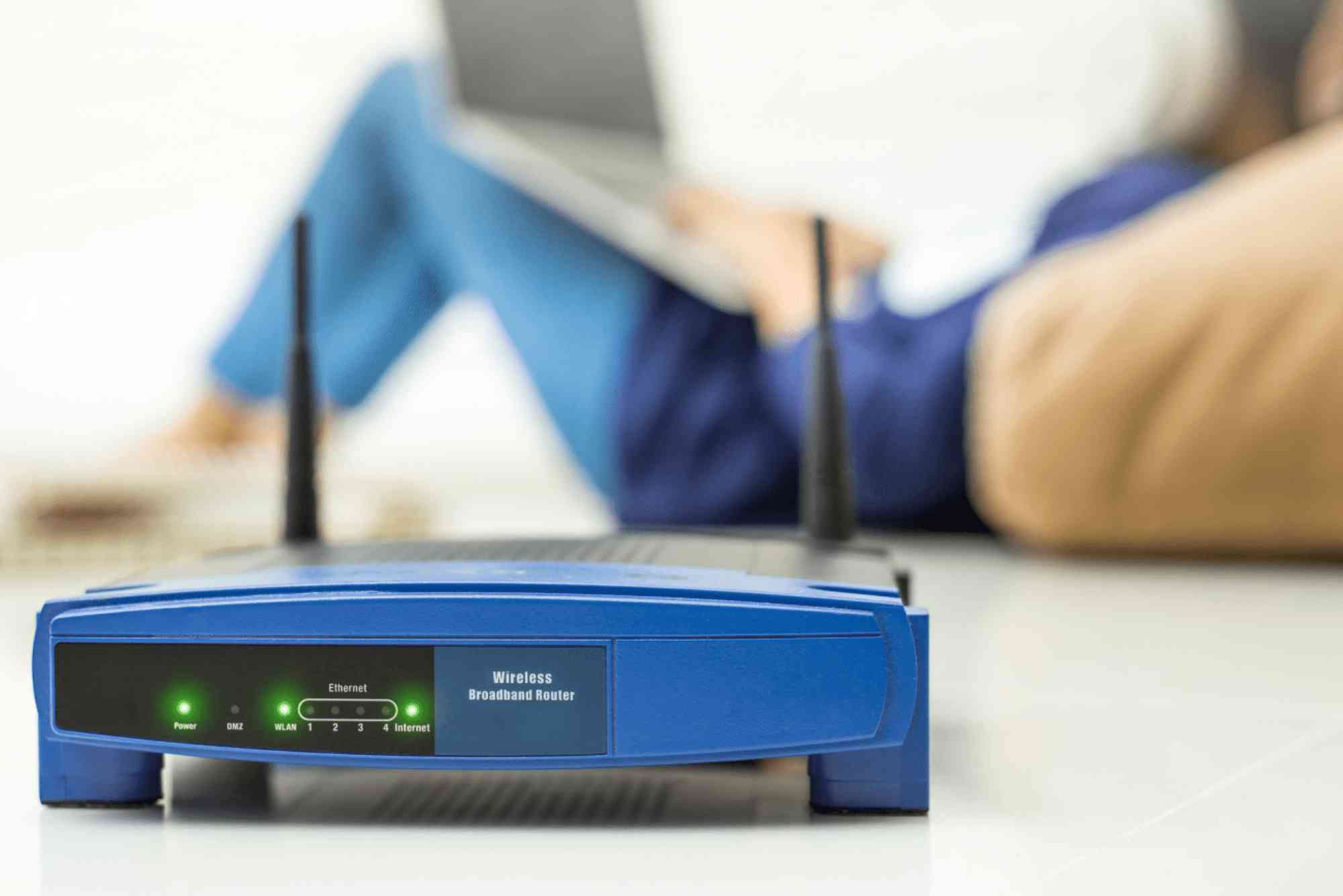
A traditional router is the device most people are familiar with. It connects directly to your modem and distributes internet through wired and wireless connections.
Pros of Traditional Routers
Traditional routers are cost-effective. For smaller homes or apartments, they deliver reliable speed without breaking the bank. They’re straightforward to set up, making them a solid option for less tech-savvy users.
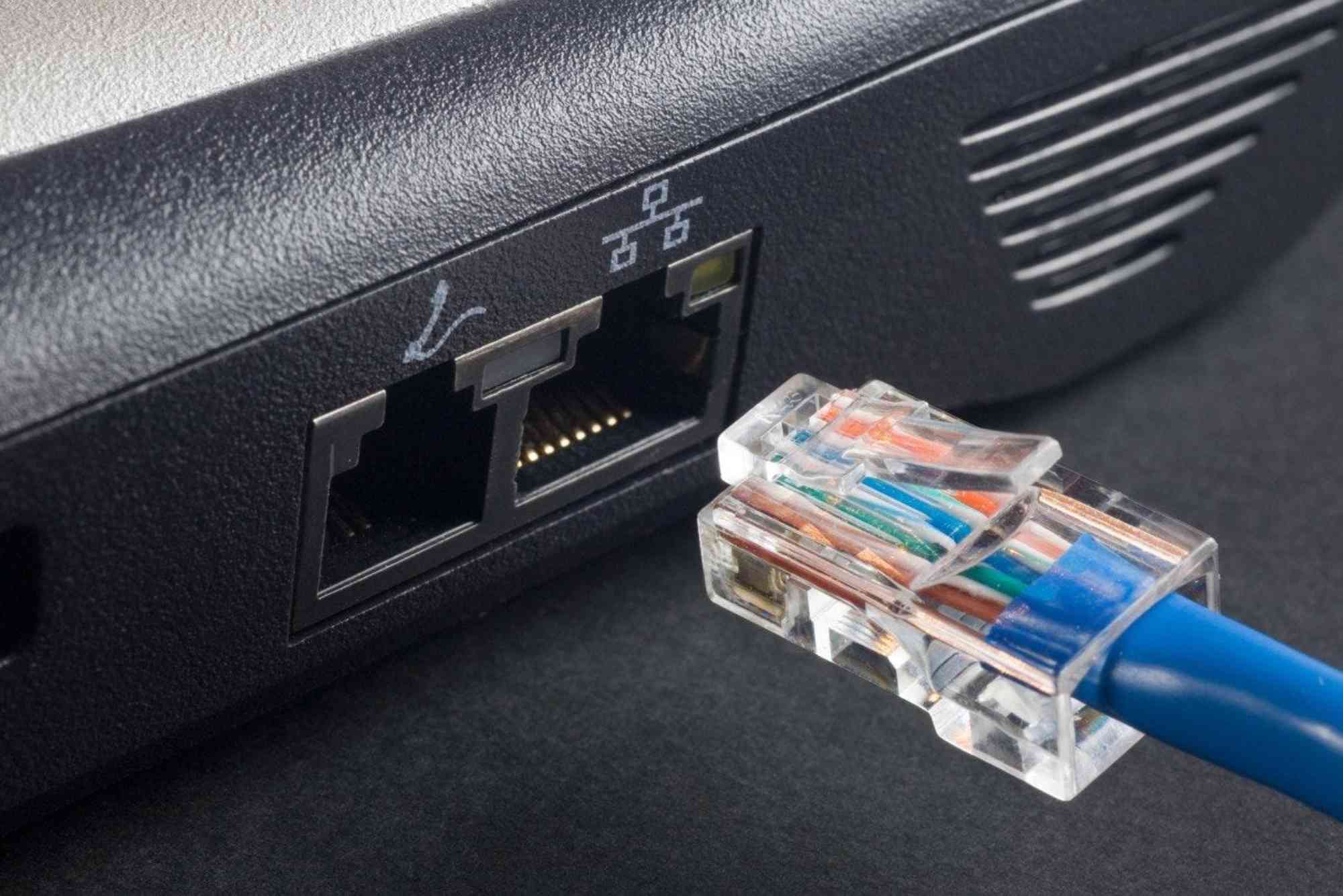
Another strength lies in direct connections. When you plug a device into a router via Ethernet, you get maximum speed and stability, which gamers and professionals often prefer.
Cons of Traditional Routers
The biggest drawback is limited coverage. A single router often struggles to push signals through walls or across large spaces. This leads to frustrating dead zones, especially in multi-story homes.
Adding range extenders can help, but this often creates multiple networks with different names, forcing you to switch connections manually as you move around your home.
Understanding Mesh Wi-Fi Systems
Mesh Wi-Fi is a newer technology designed to eliminate dead zones. Instead of relying on one central router, mesh systems use multiple nodes spread throughout your home. These nodes communicate with each other to create a seamless Wi-Fi network.
Pros of Mesh Wi-Fi
The most obvious advantage is coverage. Mesh systems blanket large homes, multi-floor spaces, and even outdoor areas with consistent Wi-Fi. Moving from the living room to the backyard? Your connection automatically hops to the nearest node without interruption.
Mesh Wi-Fi also offers simple management. Most systems come with user-friendly mobile apps, letting you manage devices, set parental controls, and run speed tests with a few taps.
Cons of Mesh Wi-Fi
The biggest downside is cost. Mesh systems are significantly more expensive than traditional routers. While they offer excellent convenience, not everyone needs the extra coverage if they live in a smaller space.
Another consideration is performance under heavy loads. While modern mesh systems are powerful, certain cheaper models can struggle when many devices stream or game at once.
Mesh Wi-Fi vs Traditional Routers: Which is Right for You?
The choice often comes down to your home layout and needs. If you live in a small to medium-sized home or apartment, a high-quality traditional router may be all you need. It will save you money and still provide fast speeds for work, streaming, and gaming.
However, if you’re in a large home, have multiple stories, or constantly deal with weak signals, mesh Wi-Fi is the smarter investment. It guarantees seamless coverage and reduces the hassle of dead zones or constant network switching.
Another factor is ease of use. Tech enthusiasts might enjoy tweaking advanced router settings, but families often prefer the simple app-based control that mesh Wi-Fi provides.
Key Differences at a Glance
Traditional routers deliver speed and affordability, but struggle with coverage. Mesh Wi-Fi systems provide excellent coverage and easy management, but come at a higher cost. Both can handle streaming and gaming, but the best choice depends on your space and budget.
FAQs on Mesh Wi-Fi vs Traditional Routers
Is mesh Wi-Fi better than a router?
Mesh Wi-Fi is better for large homes and spaces with coverage issues. For smaller spaces, a traditional router is usually sufficient.
Do I need a mesh system if I already have a router?
Not necessarily. If your current router covers your home well, you don’t need mesh. However, if you face dead zones, a mesh system is worth considering.
Is mesh Wi-Fi faster than traditional routers?
Not always. Speed depends on your internet plan. Mesh systems improve coverage, but a high-quality traditional router can still deliver top speeds in smaller areas.
Can mesh Wi-Fi replace my current router?
Yes, most mesh systems replace your router entirely. Some also let you connect directly to your existing modem.
Is mesh Wi-Fi good for gaming?
Mesh Wi-Fi can be great for gaming, especially if you play on consoles in different rooms. For the fastest response times, however, a wired connection to a router is still ideal.
When comparing mesh Wi-Fi vs traditional routers, the best choice comes down to your home and lifestyle. Traditional routers are perfect for smaller spaces and tight budgets. Mesh Wi-Fi shines in large homes and households that demand seamless coverage across multiple devices.
If you’re still unsure, consider starting with a high-quality router. You can always upgrade to mesh later if coverage becomes a problem. For reliable internet solutions tailored to your needs, explore trusted providers like Dhanote Internet Services.