Introduction
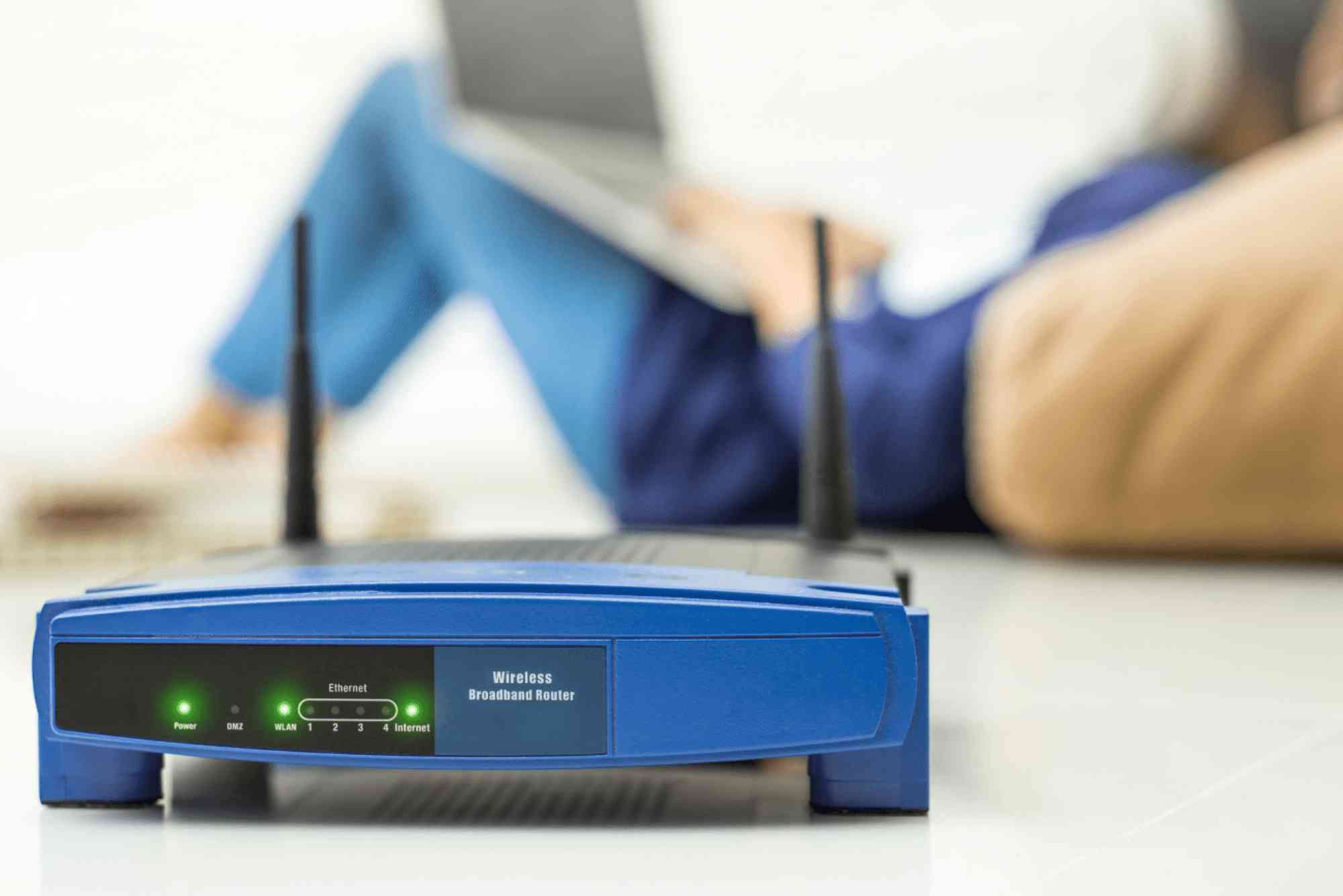
When your internet connection lags, buffers, or drops in the middle of streaming or work, frustration sets in quickly. Many homeowners look for solutions to extend Wi-Fi coverage, especially in larger houses or places with thick walls. Two popular options stand out: mesh Wi-Fi vs powerline adapters. Both aim to boost internet performance, but they work differently and suit different situations.
If you’re trying to decide which one to choose, this guide will break down their strengths, weaknesses, and use cases. By the end, you’ll understand exactly which option works best for your home or office setup.
Understanding Mesh Wi-Fi
Mesh Wi-Fi systems use multiple nodes that work together to blanket your entire home in consistent wireless coverage. Unlike a single router, where signal strength fades the further you go, mesh systems distribute connectivity more evenly.
In practical terms, you place nodes around your home, and they communicate seamlessly, ensuring strong signals in every room. This is especially useful for modern households where streaming, gaming, video conferencing, and smart devices demand stable connections.
Benefits of Mesh Wi-Fi
Mesh Wi-Fi offers stability, scalability, and convenience. It eliminates dead zones, adapts well to large homes, and integrates easily with smart home setups. For households where multiple people are online at the same time, mesh creates a smoother experience without requiring constant router resets.
Drawbacks of Mesh Wi-Fi
However, mesh Wi-Fi comes at a higher cost. Quality systems from brands like Eero, Google Nest, and Netgear Orbi can be expensive. Also, performance may depend heavily on placement of nodes and can degrade if walls are unusually thick or made of materials that block signals.
Understanding Powerline Adapters
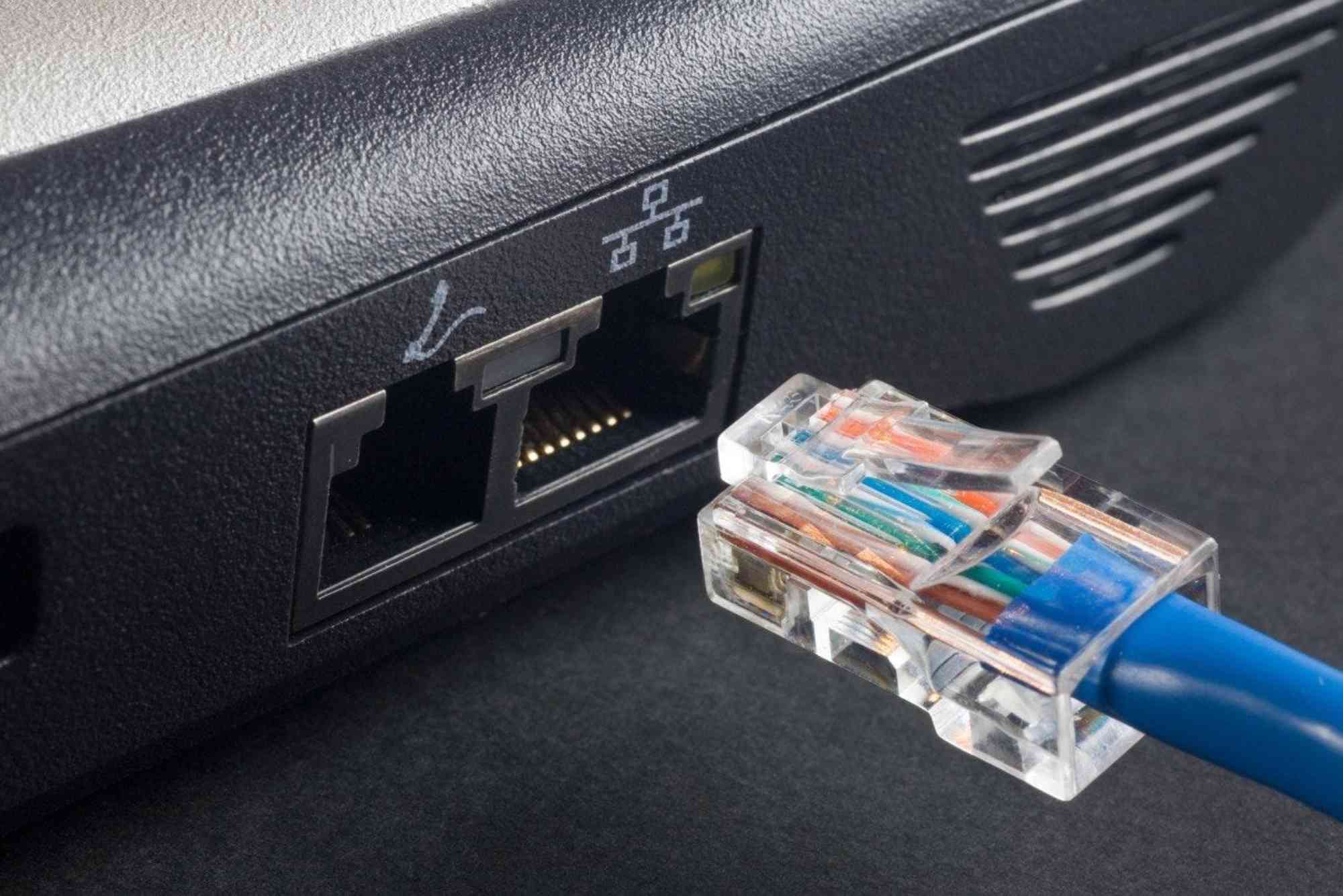
Powerline adapters use your home’s electrical wiring to transmit internet signals. Instead of relying on Wi-Fi for long distances, they plug into wall outlets, turning electrical circuits into data highways. One adapter connects to your router, and another plugs into an outlet where you need connectivity.
This approach is often cheaper than mesh Wi-Fi and can provide stable speeds, especially for activities like online gaming or streaming on wired devices.
Benefits of Powerline Adapters
Powerline adapters are budget-friendly and easy to set up. You plug them in, sync them, and they start working. They’re also useful in older homes where Wi-Fi struggles to penetrate thick walls. Because they rely less on wireless signals, latency is often lower.
Drawbacks of Powerline Adapters
Performance can vary depending on your electrical wiring quality. Homes with outdated or complex circuits may experience inconsistent speeds. They also don’t scale as easily as mesh networks, meaning expanding coverage across very large spaces may require multiple adapters, which adds to cost and complexity.
Mesh Wi-Fi vs Powerline Adapters: Key Differences
When deciding between mesh Wi-Fi vs powerline adapters, it’s crucial to compare their performance in real-world scenarios.
Mesh Wi-Fi is ideal for large homes, modern layouts, and households with many connected devices. It ensures coverage everywhere, from the living room to the garage, without needing extra wiring.
Powerline adapters shine in situations where Wi-Fi struggles, particularly in houses with thick walls or when stable wired connections are necessary for gaming or workstations.
Cost is another factor. Mesh systems are more expensive upfront, while powerline adapters are budget-friendly. However, mesh systems provide long-term flexibility and scalability, making them worth the investment for many families.
Which One Should You Choose?
The right choice depends on your needs. If you have a large household filled with smart TVs, tablets, and laptops, mesh Wi-Fi is the better investment. It ensures every device enjoys consistent internet without interruptions.
On the other hand, if you primarily need to connect one or two devices in rooms far from your router, and you want a cost-effective solution, powerline adapters make sense. They provide stable performance without the higher price tag of mesh systems.
For hybrid needs, some households even use both—mesh for overall coverage and powerline for specific wired connections in tricky spots.
FAQ: Mesh Wi-Fi vs Powerline Adapters
Is mesh Wi-Fi better than powerline adapters?
Mesh Wi-Fi is better for whole-home coverage and multiple devices, while powerline adapters suit specific connections and budget-friendly setups.
Do powerline adapters work in all homes?
Not always. Their performance depends on your home’s electrical wiring quality and layout.
Can I use mesh Wi-Fi and powerline adapters together?
Yes, you can. Some users combine mesh for general coverage and powerline for stable wired connections where Wi-Fi struggles.
Are mesh Wi-Fi systems worth the cost?
Yes, if you want seamless coverage across large spaces and plan to use many connected devices at once.
Choosing between mesh Wi-Fi vs powerline adapters ultimately comes down to your internet needs, home layout, and budget. Mesh Wi-Fi provides a premium experience, ensuring every device enjoys stable and fast connectivity throughout the home. Powerline adapters offer a practical, affordable way to improve performance in specific rooms or situations.
If reliable internet matters to you—and in today’s world, it certainly does—it’s worth considering your long-term needs before deciding. Whether you invest in a robust mesh network or opt for cost-effective powerline adapters, the goal is the same: smooth, uninterrupted connectivity.
Looking for expert internet solutions? Visit Dhanote Internet Services for professional support and reliable connectivity options tailored to your home or office.