Introduction
Choosing between mesh Wi-Fi versus traditional router systems can feel confusing, especially with so many networking options available today. Slow speeds, dead zones, and unstable signals often push people to consider upgrading. As homes grow smarter and devices multiply, picking the right setup matters more than ever.
In this guide, you’ll learn how each system works, how they differ, and which one performs better in real-life situations. The aim is to help you make an informed decision based on your space, usage, and long-term needs.
Understanding the Basics
How a Traditional Router Works
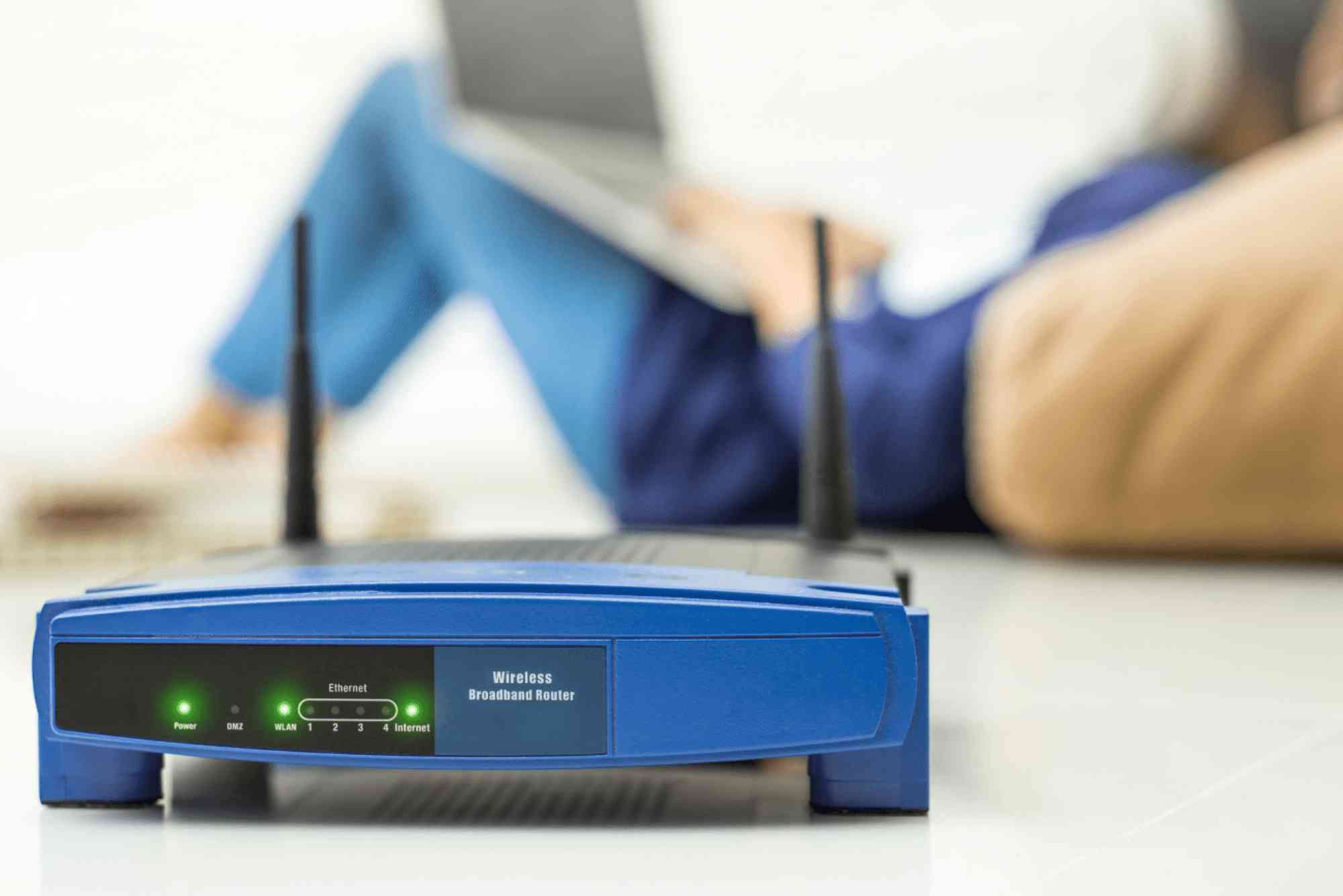
A traditional router broadcasts Wi-Fi from a single point. All devices connect to this central source. This setup works well in small homes or apartments where the signal does not need to travel far.
Advantages of a Traditional Router
A standard router offers simple installation. It usually costs less than mesh systems and suits basic online tasks. Many users pick routers for small households with limited connected devices.
Limitations of a Traditional Router
A single router struggles with thick walls and large floor plans. As devices multiply, the connection weakens. You may face buffering or slow speeds when the signal cannot reach certain spots.
How a Mesh Wi-Fi System Works
Mesh systems use multiple nodes placed across your home. These nodes talk to each other and create one seamless Wi-Fi network. Your device switches between nodes without dropping the connection.
Advantages of Mesh Wi-Fi
Mesh systems cover large areas smoothly. They eliminate dead zones and handle many devices at once. Mesh networks are ideal for multi-story homes, offices, and smart homes.
Limitations of Mesh Wi-Fi
Mesh setups cost more than traditional routers. Some users may find the installation process slightly technical, depending on the brand.
Mesh Wi-Fi versus Traditional Router: Performance Breakdown
Coverage and Range
A traditional router sends signals in one direction. If your home has many walls or rooms, the signal weakens. Range extenders can help, but they often create separate networks.
Mesh Wi-Fi covers the entire space with consistent strength. Dhanote Internet Services You get even coverage because the nodes create a single unified network.
Speed and Stability
Traditional routers work well when devices stay close to the router. The further you move away, the more speed drops.
Mesh systems maintain speed by distributing load across nodes. They adapt to your home’s layout and keep performance stable even during high usage.
Device Capacity
A standard router may struggle when many devices connect at once. This can cause lag, especially in gaming or streaming.
Mesh networks handle multiple devices without slowing down. Each node manages part of the traffic, keeping everything steady.
Ease of Installation
Traditional routers are simple to set up. You plug in the device, configure settings, and start using the internet.
Mesh systems may require app-based setup and placing nodes strategically. Once done, they usually need less maintenance than routers.
Scalability
Traditional routers are harder to expand. Extenders may help, but they often reduce speed.
Mesh Wi-Fi is easy to scale. You can add more nodes as your needs grow.
Key Factors to Consider Before Choosing
Home Size and Layout
If your home is small and open, a traditional router works fine. But if you have many rooms, floors, or thick walls, mesh Wi-Fi provides better results.
Type of Internet Use
Light browsing and messaging work well on basic routers. Streaming, gaming, Zoom calls, and smart home setups perform better on mesh networks.
Budget
Traditional routers are budget-friendly. Mesh Wi-Fi costs more upfront, but it offers long-term quality and flexibility.
Future-Proofing
Technology evolves fast. Mesh systems adapt better to new devices and growing usage.
Mesh Wi-Fi versus Traditional Router: Which One Performs Better Overall?
If performance, coverage, and stability matter most, mesh Wi-Fi wins. It handles large spaces, many devices, and modern digital habits more effectively.
Traditional routers are still great for small homes or simple use. But for consistent, whole-home coverage, mesh systems deliver the best experience.
Practical Example from Real-Life Use
A family with multiple users, smart TVs, and online classes may struggle with a single router. Dead zones appear in bedrooms or upper floors. Upgrading to mesh Wi-Fi often eliminates these issues.
On the other hand, a single-person apartment with basic browsing needs may not need a mesh system. A quality router offers enough speed and reliability.
When Should You Choose a Traditional Router?
You should consider a traditional router when:
You live in a small home
You use only a few devices
Your budget is limited
You need simple installation
When Should You Choose a Mesh Wi-Fi System?
Choose mesh Wi-Fi when:
Your home is large or multi-story
You have many smart devices
You want strong coverage everywhere
You need stable performance during gaming or streaming
FAQs
Is mesh Wi-Fi better than a router?
Mesh Wi-Fi performs better in large or complex spaces. It reduces dead zones and improves stability.
Do I need mesh Wi-Fi for a small apartment?
Not always. A good traditional router can cover small apartments easily.
Does mesh Wi-Fi increase internet speed?
Mesh systems don’t change your provider’s speed. They improve how well that speed spreads across your home.
Is a traditional router good for gaming?
Yes, but only at close range. Mesh Wi-Fi offers more stable coverage for gaming in bigger homes.
Does mesh Wi-Fi replace my router?
Yes, most mesh systems act as a router. They connect directly to your modem.
Choosing between mesh Wi-Fi versus traditional router systems depends on your home and digital lifestyle. Mesh networks deliver stronger coverage, smoother performance, and better support for many devices. Traditional routers remain a budget-friendly option for small spaces.