A reliable internet connection is essential for everything from streaming movies to attending virtual fitness classes like Orange Theory Mountain View sessions. But even the best mesh Wi-Fi systems can experience issues such as slow speeds, connection drops, or dead zones. This step-by-step mesh Wi-Fi troubleshooting guide will help you identify and resolve problems effectively so your network performs at its best.
Mesh Wi-Fi systems are designed to eliminate weak signals by creating a seamless network across multiple nodes. However, when one node goes offline or miscommunicates with the others, your devices may disconnect or slow down. This guide walks you through proven mesh Wi-Fi troubleshooting steps to restore your network to peak performance.
Understanding How Mesh Wi-Fi Works
Before diving into troubleshooting, it’s important to understand how a mesh Wi-Fi system functions. Instead of relying on a single router, mesh systems use multiple nodes to spread the Wi-Fi signal evenly throughout your space. Each node communicates with the others, ensuring your devices stay connected as you move from room to room.
When one node experiences interference, a configuration error, or a hardware fault, it can affect the entire system. That’s why systematic troubleshooting is essential — it ensures you identify the root cause rather than just addressing the symptom.
Check Your Internet Connection
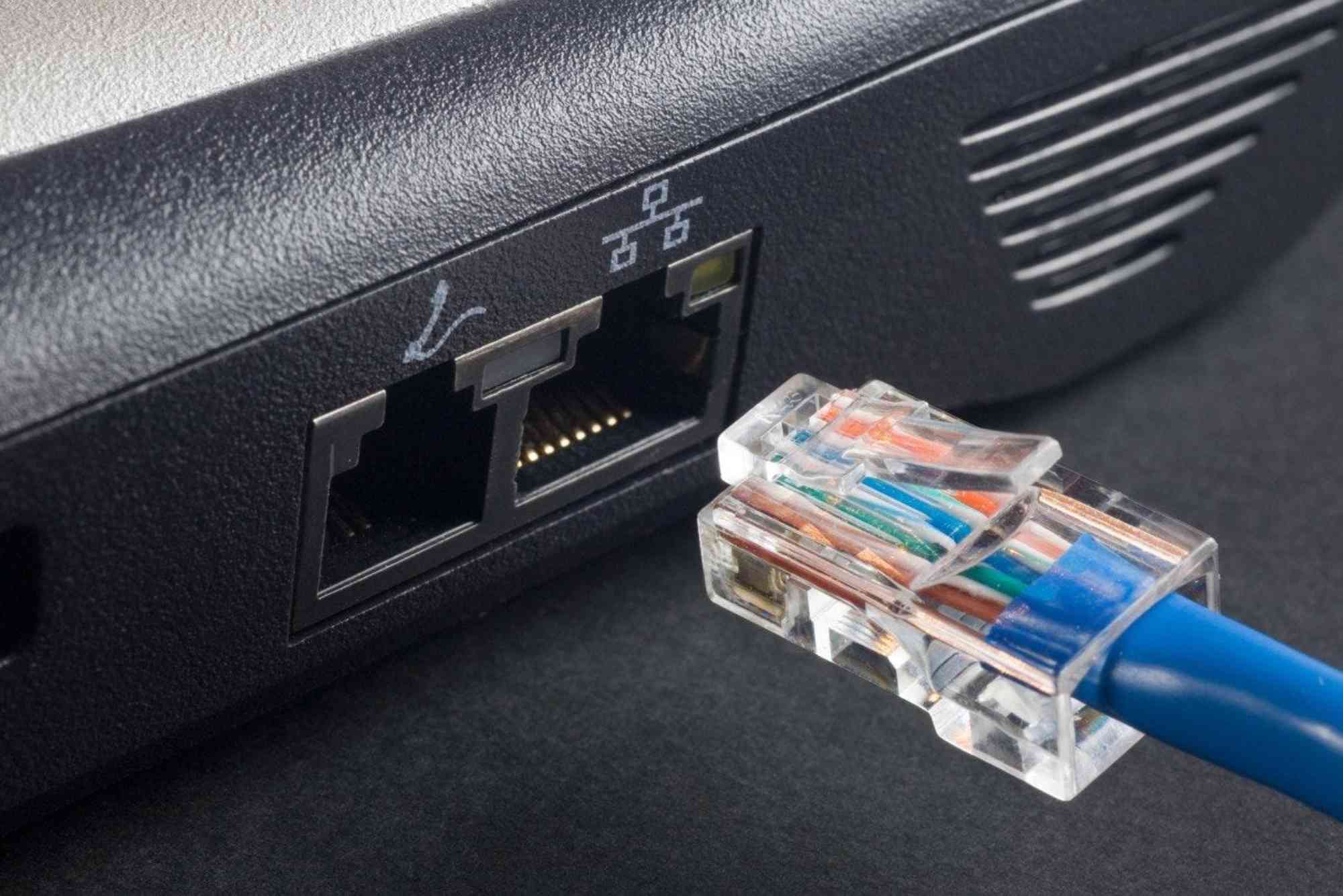
The first and simplest step is verifying that your internet connection from your provider is active. Disconnect the main mesh router and connect your computer directly to the modem using an Ethernet cable. If the internet works directly from the modem, your mesh network is the issue. If not, contact your service provider for support.
Many users skip this step, assuming the Wi-Fi is the problem when the real issue lies with the incoming connection. Testing the source helps avoid unnecessary resets and configuration changes.
Restart Your Mesh Network
One of the most effective mesh Wi-Fi troubleshooting steps is a full system reboot. Power down all mesh nodes, including the main router. Wait at least 30 seconds before turning them back on. This process clears temporary glitches and allows the nodes to reconnect properly.
Rebooting may sound basic, but it often resolves 80% of connection issues. After restarting, allow the nodes a few minutes to re-establish communication and check if your devices reconnect automatically.
Inspect Node Placement
Proper node placement is key to maintaining strong connectivity. If your nodes are too far apart or obstructed by walls, furniture, or metal surfaces, signals can weaken or drop. Ideally, each node should be within range of the next one, with clear line-of-sight whenever possible.
Avoid placing nodes near microwaves, cordless phones, or Bluetooth speakers, as these can interfere with wireless signals. If your connection improves after repositioning the nodes, you’ve found the issue.
Update Firmware and Apps
Outdated firmware or app versions can cause instability. Check the manufacturer’s app for available updates to your mesh system. Regular updates include performance improvements, security patches, and bug fixes.
Manufacturers like Google Nest, TP-Link, and Eero often release updates to optimize communication between nodes. Ensuring your system is running the latest version can resolve issues without any physical adjustments.
Check for Interference
If your signal fluctuates, interference could be the culprit. Devices such as baby monitors, microwaves, or even thick walls can disrupt your Wi-Fi signal. Move your nodes to more open areas or change the Wi-Fi channel through your mesh system’s app settings.
Most modern mesh routers automatically select the best channel, but manual adjustments sometimes yield better results in crowded environments like apartment complexes.
Verify Device Connections
Sometimes, the issue lies with the device itself rather than the network. Forget the Wi-Fi network on your device, then reconnect using the correct password. Also, check if other devices on the same network are experiencing similar issues.
If only one device struggles to connect, reset its network settings. If all devices have problems, focus on the router or mesh configuration.
Run a Speed Test
Run a speed test near each node to evaluate coverage consistency. You can use free online tools to measure upload and download speeds. If one area shows significant drops, move or reset the nearest node.
Consistent speed across all zones indicates a healthy mesh network, while uneven speeds often point to poor placement or outdated firmware.
Reset and Reconfigure the Mesh Network
If none of the above mesh Wi-Fi troubleshooting steps work, consider performing a factory reset. Most mesh routers have a reset button that restores default settings. After resetting, use the mobile app to reconfigure your system.
Rebuilding the network ensures all nodes are correctly linked and eliminates configuration errors accumulated over time. While it takes a bit longer, this method often solves deep-rooted connectivity issues.
Optimize for Performance
Once your mesh Wi-Fi is stable again, optimize it for long-term performance. Enable features like automatic band steering, guest networks, and QoS (Quality of Service) to prioritize important traffic.
If your home or office has expanded, consider adding more nodes for stronger coverage. For larger environments or business settings, partnering with professional network services like Dhanote Internet Services can ensure optimal setup and ongoing support.
Monitor and Maintain
Even after resolving issues, regular monitoring helps prevent future problems. Check your mesh system’s app occasionally for alerts, updates, or connected devices. Clean the devices periodically and keep them in well-ventilated areas to avoid overheating.
Network performance can degrade over time due to firmware changes, interference, or new devices. A proactive approach keeps your connection smooth and reliable.
Frequently Asked Questions (FAQ)
Why is my mesh Wi-Fi slow even with good coverage?
Your mesh Wi-Fi may be slow due to interference, outdated firmware, or node placement. Try updating your firmware and repositioning nodes for better signal flow.
How do I fix a mesh Wi-Fi node that keeps disconnecting?
Ensure the node is within range of the main router. If it continues disconnecting, reset it and re-add it to your network using the manufacturer’s app.
Can too many devices slow down my mesh Wi-Fi network?
Yes. While mesh systems handle multiple devices efficiently, excessive connections can reduce bandwidth. Prioritize devices using QoS settings.
Should I use Ethernet backhaul with mesh Wi-Fi?
If possible, yes. Ethernet backhaul connects nodes via cables, providing faster and more stable communication between them.
How often should I reboot my mesh Wi-Fi system?
Rebooting every few weeks can prevent performance degradation and clear temporary system cache, improving reliability.
A stable mesh Wi-Fi network ensures smooth streaming, fast downloads, and uninterrupted online experiences — whether you’re working remotely or attending Orange Theory Mountain View classes online. By following this step-by-step mesh Wi-Fi troubleshooting guide, you can fix common issues quickly and improve your network’s performance.
If you continue to face challenges, consider consulting with professionals like Dhanote Internet Services for expert installation and support. Don’t settle for weak connections — take control of your Wi-Fi performance today and enjoy seamless connectivity throughout your home or office.