Guide to Resetting a Mesh Wi‑Fi Network
Resetting a mesh Wi‑Fi network can solve many connectivity issues fast. This mesh Wi‑Fi system reset guide explains how to reset safely, what to expect, and best practices for a smooth restart. Whether your system feels slow, nodes aren’t connecting, or devices drop randomly, a reset often restores stability and speed.
Why Resetting a Mesh Wi‑Fi Network Helps
Sometimes a mesh Wi‑Fi network starts acting up for reasons beyond just a weak signal. Software bugs in a node’s firmware may cause dropped connections. Conflicting settings after upgrades or new device additions can trigger network instability. Power fluctuations or router glitches might also lead to unresponsive nodes. Resetting clears all these temporary issues. By resetting, you remove accumulated cache, refresh network configurations, and force nodes to discover each other and reconnect from scratch. It’s like rebooting a computer to fix frozen apps.
Moreover, a network reset lets you pick up any updates you delayed. Many mesh systems check for firmware changes when they restart. Installing those updates can patch bugs, improve stability, and sometimes improve speed. If you’ve had repeated network drops or poor speed, reset plus firmware update might solve long‑standing issues.
Finally, resetting can help when you reconfigure or relocate your mesh nodes. If you move nodes or shift the parent router, a clean start ensures they rediscover their positions and negotiate optimal backhaul links. Without a reset, the network might cling to outdated spatial relationships, causing sub‑optimal routing and weaker signal strength.
When You Should Perform a Reset
Unexpected Drops and Signal Loss
If your devices randomly lose connection or the signal fluctuates widely, reset your mesh. Frequent dropouts across multiple devices often indicate network‑side issues, not device problems.
After Major Firmware Upgrades
Whenever you update firmware on the primary router or mesh nodes, it’s wise to reset. Updates can change configuration commands and network behavior. A reset ensures all nodes use the new settings identically.
After Rearranging or Replacing Nodes
If you move mesh nodes to new rooms or replace a faulty satellite node, a reset helps the system re‑learn optimal node topology. This avoids phantom dead zones and maximizes coverage.
When Speed or Performance Seems Sluggish
If performance feels worse than usual — like long page load times or frequent buffering — resetting can flush hidden network congestion problems. It gives the system a clean slate.
How to Reset Your Mesh Wi‑Fi Network: Step‑by‑Step
Preparing for Reset
Before initiating a reset, note your current network settings. If you customized SSID, passwords, or VLAN settings, write them down or take a screenshot. A reset will erase these. Also, inform household members that Wi‑Fi will go offline briefly. If you have smart home devices (lights, thermostats, cameras), they will lose connection temporarily.
Unplug any devices that rely heavily on uninterrupted connection — like gaming consoles, security cameras, or downloads — to avoid unexpected disruptions. Finally, ensure you have physical access to all mesh nodes including satellites scattered around the house.
Executing the Reset on the Router
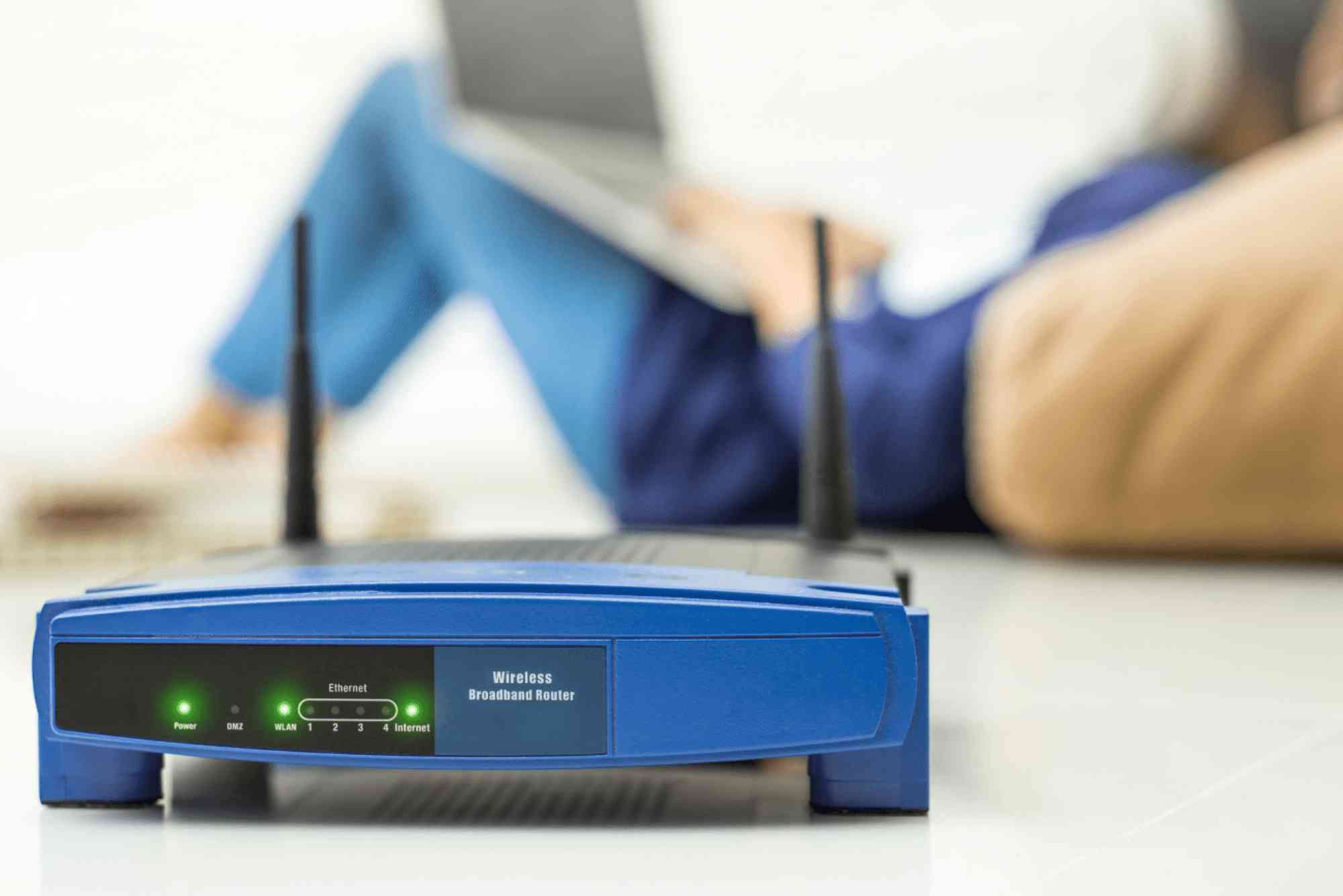
Start with the primary router (main node). Locate its “Reset” or “Restore Defaults” button. On many mesh systems, this is a small pin‑hole button requiring a paperclip. Press and hold for 10–15 seconds until LED indicators flash or change color. Release once the light starts blinking. Wait for the router to reboot fully. You’ll know it’s ready when the LED turns solid, usually indicating a default reset.
Once the router is back online, it will broadcast a default SSID or no SSID — depending on brand. At this point, avoid connecting devices yet.
Resetting the Satellite Nodes
While the router reboots, go to each satellite node. Perform the same reset procedure — press and hold the reset button until the lights flash. It helps to reset one node at a time to avoid confusion. After resetting all satellites, plug them back in and allow them to boot up.
Resetting each satellite ensures they forget old configurations, then reconnect cleanly to the primary router after it restarts.
Reconfiguring the Mesh
With all nodes reset, open the mesh system’s management app (on your phone or PC). Follow initial setup — choose your preferred SSID and password, select your timezone or region if required. Let the system perform diagnostic checks. Then, place the nodes back at their intended locations.
Ideally, pick central spots with minimal obstructions and keep satellites within recommended distance from the primary router — too far may prevent connection, too close wastes mesh efficiency. Once setup completes, run a speed test to confirm stable connectivity throughout your space.
Common Issues and How to Solve Them After Reset
Nodes Won’t Reconnect Automatically
After reset, some mesh systems may not auto‑reconnect satellites. If this happens, manually add each node via the app. Some require scanning a QR code or entering a PIN from the back of the node. Be patient — full reconnection may take several minutes.
Devices Fail to Find the Wi‑Fi Network
If your devices don’t see your network, double‑check that SSID broadcasting is enabled in settings. Also confirm you didn’t set a hidden network accidentally. If you did, you’ll need to manually enter the SSID and password on each device.
Slow Speed or Intermittent Lag After Reset
If performance remains poor after reset, try relocating satellites. Walls, large furniture, or metal objects may interfere. Sometimes the default channel selection is sub‑optimal. Use your mesh app’s “optimize network” option if available — it can re‑choose frequency bands and channels to reduce interference.
If issues persist, consider updating node firmware again or contacting your internet provider. In Pakistan, a provider like Dhanote Internet Services may help check if the problem comes from line instability rather than your home network.
Configuration Loss or Forgotten Credentials
A reset erases custom settings. If your devices had static IP assignments, parental controls, or port forwarding rules, those need to be re‑entered. Make sure to re‑apply such settings right after reset, while devices are online.
Tips to Avoid Frequent Resets
Avoiding repeat resets can save time and keep network stable. Keep mesh firmware up to date regularly — recent updates often contain bug fixes and stability improvements. Avoid placing nodes near thick walls, large metal objects, or heavy appliances that interfere with signal. Maintain a sensible layout: place primary router centrally and satellites roughly one room apart. For households with many devices streaming and gaming, consider quality hardware and ensure the primary router connects to a stable broadband service.
If you live in a region with frequent power outages, invest in an uninterruptible power supply (UPS) for your router. Sudden power loss can corrupt node configuration and force unplanned resets.
Finally, choose a secure admin password for your mesh system. Unauthorized access may lead to misconfigurations or malicious resets. Regularly change your Wi‑Fi password.
Why Proper Reset Matters: Avoid DIY “Hard Resets” Without Planning
A careless reset can lead to bigger headaches than the original problem. Without noting your old settings, you may lose custom SSID names, passwords, device assignments, or port forwarding rules. Devices may lose trust and require re‑authentication.
Resetting is not a magic bullet. If you have line-level issues — slow or unstable internet from your provider — resetting your mesh won’t fix that. Instead, you may end with a functioning network that’s still slow online. Always check your broadband connection separately when problems linger.
Use reset as a measured troubleshooting step — not a default reaction. Often updating firmware or changing node positions handles issues without wiping configuration. Reserve resets for serious, recurring problems.
FAQs
Do I need to reset all mesh nodes or just the main router?
If only the main router has issues, sometimes resetting it alone helps. But to restore network-wide stability, it’s best to reset all mesh nodes. That ensures satellites reconnect properly under the updated configuration.
How long does it take to reset a mesh Wi‑Fi network?
The full reset process usually takes about 10 to 20 minutes. Each node needs a few minutes to reboot, followed by setup and reconfiguration. For larger setups with many satellites, expect a bit more time.
Will resetting delete my Wi‑Fi password and settings?
Yes. A reset restores factory defaults. All customized settings — SSID, password, assigned IPs, parental controls — will be lost. Always record or backup these settings before resetting.
Should I reset my mesh if only one device is having trouble connecting?
Not immediately. First troubleshoot that device: check Wi‑Fi settings, restart it, or forget and reconnect to the network. Resetting the mesh is a bigger step — better reserved for network-wide issues.
Is it safe to reset my mesh router frequently?
Frequent resets are generally safe, but not ideal. Each reset wipes configuration and temporarily disrupts smart home devices. Over time, repeated resets increase chances of misconfiguration or forgotten settings. It’s better to address root causes.
This mesh Wi‑Fi system reset guide aims to help you restore a troubled network with minimal hassle. A well-executed reset clears glitches, allows firmware refresh, and often resolves connectivity or stability issues. Remember to backup settings, reset all nodes, and re‑configure carefully.
Keep in mind: resetting doesn’t fix problems caused by your broadband provider. If you still experience slow speeds, contact your provider — for example, Dhanote Internet Services — to verify line health.