Why Is Mesh Wi-Fi Slower Than Your Router?
Mesh Wi-Fi systems promise better coverage, yet many users notice the mesh Wi-Fi speed slower than router. If you’ve set up a mesh system and found your internet crawling compared to your old single router, you’re not alone. In this guide, we’ll explore why this happens, the technical reasons behind the slowdown, and practical solutions to make your mesh network faster.
What Is Mesh Wi-Fi and How It Works?
Mesh Wi-Fi is a system of multiple nodes that spread wireless coverage across your home. Instead of relying on one router, mesh uses satellites (nodes) to extend coverage.
Key Difference from a Traditional Router
-
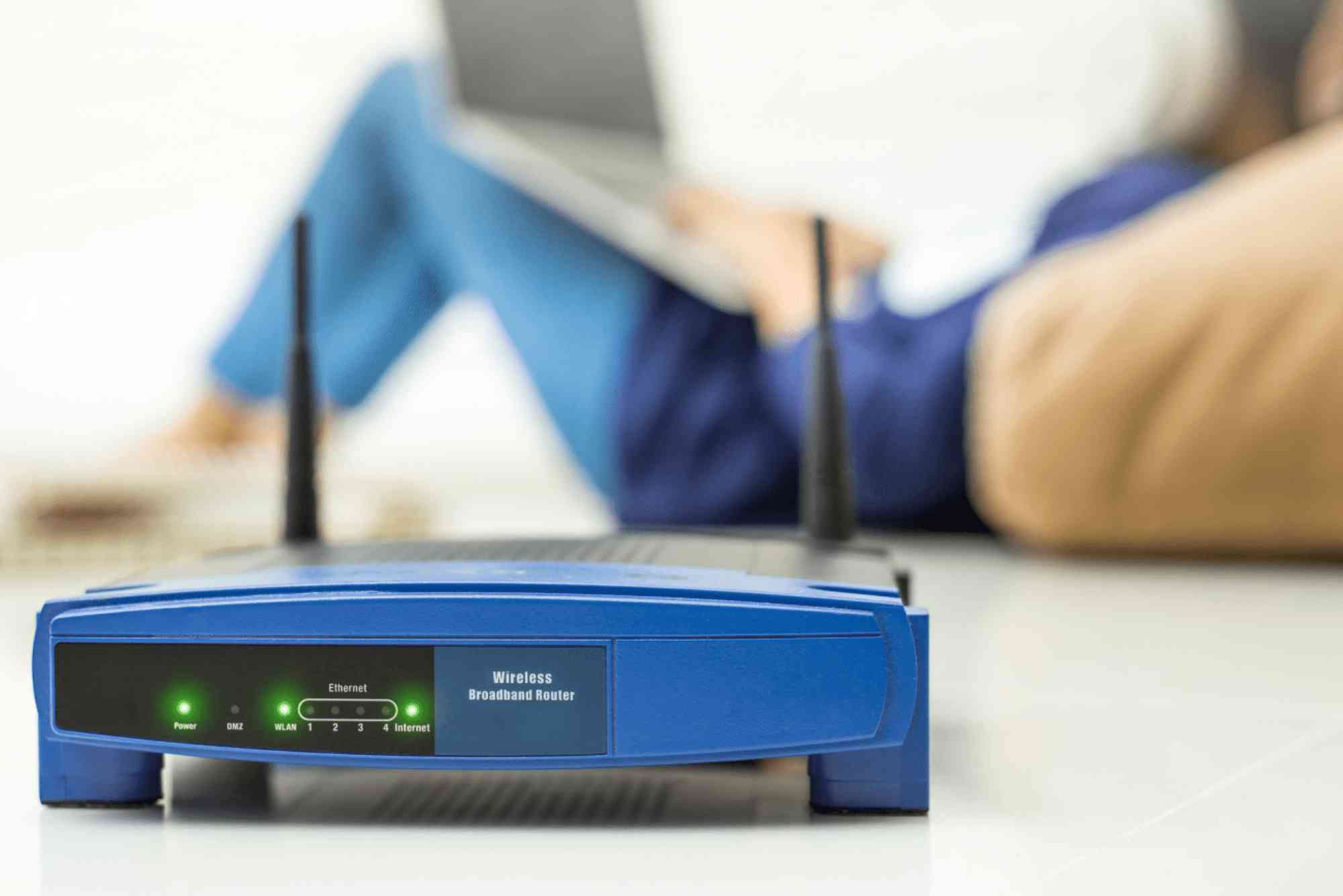
Router: Central device that manages all traffic directly.
-
Mesh: Multiple nodes pass traffic between each other before reaching the main router.
This difference is why mesh often trades raw speed for broader coverage.
Why Is Mesh Wi-Fi Speed Slower Than Router?
There are several reasons why mesh Wi-Fi speed slower than router is a common issue. Understanding them helps in troubleshooting.
Signal Hops Between Nodes
In mesh networks, data may travel through multiple nodes before reaching your device. Each “hop” introduces a delay, reducing speed compared to a direct router connection.
Shared Wireless Backhaul
Many mesh systems use wireless backhaul, meaning nodes talk to each other on the same channel they use to talk to your devices. This cuts available bandwidth in half, leading to slower speeds.
Distance and Placement
If nodes are too far apart, they struggle to maintain strong connections. Weak signals create slower performance, similar to a router placed far from your device.
Interference from Other Devices
Mesh systems are more sensitive to interference from microwaves, cordless phones, and neighboring Wi-Fi networks. Traditional routers, especially wired ones, may perform better in noisy environments.
Hardware Limitations
Not all mesh systems are equal. Budget options often come with slower processors, fewer antennas, and limited bandwidth support compared to high-end routers.
ISP Bottlenecks
Sometimes the problem isn’t your mesh. If your internet provider delivers only a certain speed, your router may have been closer to that limit, while mesh nodes dilute performance further.
How to Improve Mesh Wi-Fi Speed
Knowing why your mesh Wi-Fi speed slower than router occurs is only half the battle. Here’s how to fix it.
Use Wired Backhaul
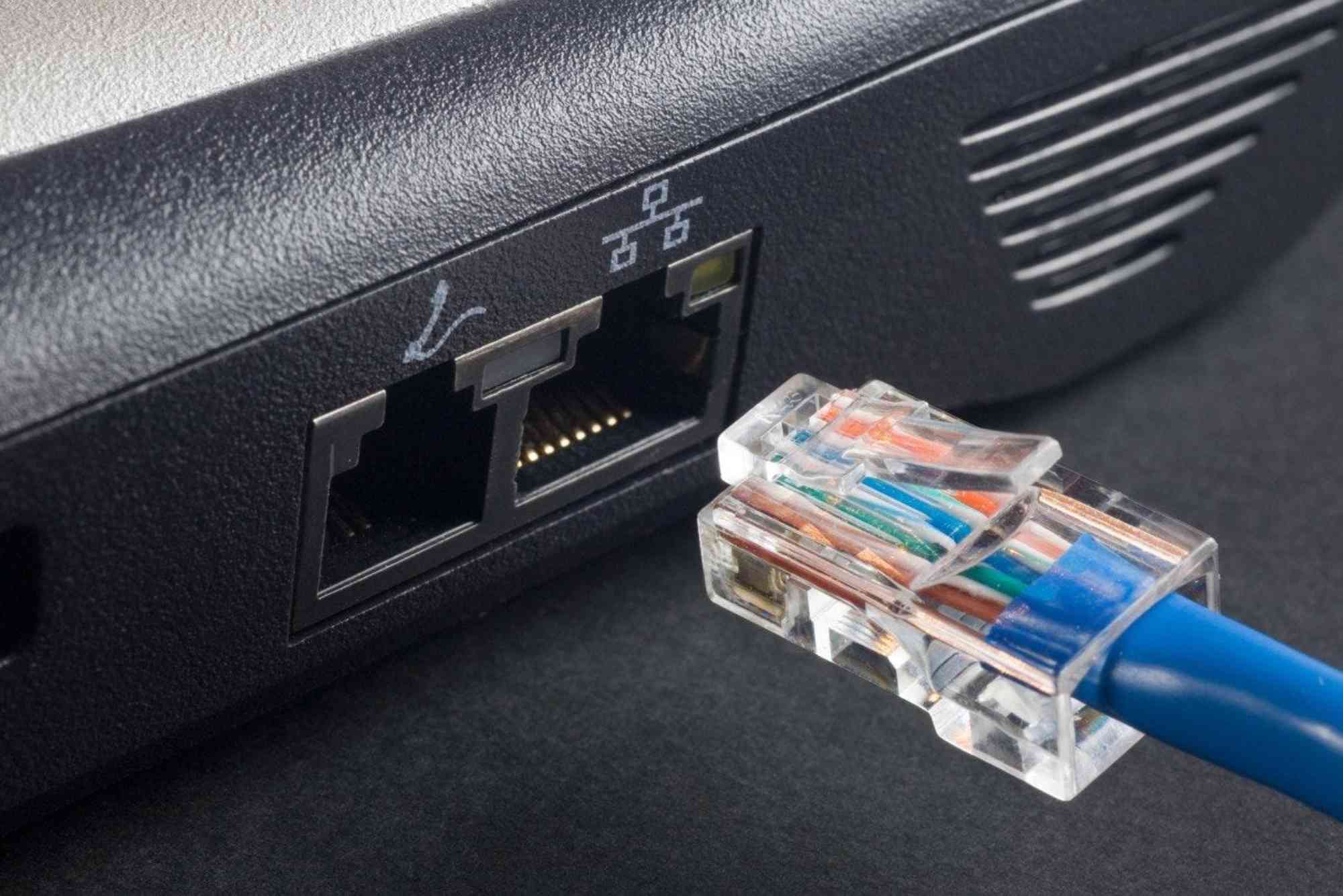
Connecting nodes with Ethernet cables ensures maximum speed since traffic doesn’t rely on wireless hops.
Optimize Node Placement
Place nodes within sight of each other and avoid thick walls or metal objects. The closer they are, the better the signal.
Upgrade to a Tri-Band System
Tri-band mesh systems dedicate one band to node communication, leaving the other two for devices. This reduces congestion and improves speed.
Limit Device Overload
Too many devices connected to one node can overwhelm it. Spread devices across nodes to balance load.
Update Firmware
Manufacturers frequently release updates that fix bugs and optimize speed. Regular updates can noticeably improve performance.
Consider Hybrid Setup
Some users combine a strong central router with mesh nodes as extenders. This setup provides both speed and coverage.
Mesh Wi-Fi vs Router: Which One Should You Use?
Whether mesh or router is better depends on your needs.
When to Choose a Router
-
Small homes or apartments
-
Need maximum speed over coverage
-
Fewer connected devices
When to Choose Mesh
-
Large homes with multiple floors
-
Dead zones where router signals fail
-
Multiple family members streaming, gaming, and working at once
Real-World Example
A user with a gigabit internet plan may see 900 Mbps on a direct router connection. With mesh nodes, the same connection may drop to 300–500 Mbps due to wireless backhaul. For many households, the trade-off is worth it since coverage improves overall usability.
If you’re in a rural or small-town area, solutions like Dhanote Internet Services can help ensure your internet provider delivers stable speeds before you even set up your Wi-Fi system.
FAQs About Mesh Wi-Fi Speed
Why is mesh Wi-Fi slower than my router even with fast internet?
Because data hops between nodes and shares bandwidth, it often delivers slower speeds than a single router.
Can mesh Wi-Fi ever be as fast as a router?
Yes, if you use wired backhaul or a high-end tri-band system, mesh speeds can match or even beat some routers.
Is mesh Wi-Fi good for gaming?
Mesh is great for coverage but not always for speed-critical activities like gaming. A wired connection is usually better.
How do I know if my mesh Wi-Fi is slowing me down?
Run speed tests near the router and near mesh nodes. If node speeds are significantly lower, placement or backhaul is the issue.
Should I replace my mesh with a stronger router?
Not always. If coverage is your main issue, mesh is better. But if speed is your top priority, a high-performance router may be best.
Balancing Speed and Coverage
While many people find mesh Wi-Fi speed slower than router, it doesn’t mean mesh is a bad choice. Mesh prioritizes coverage and convenience, ensuring you can stay connected in every corner of your home. By optimizing placement, using wired backhaul, or upgrading to tri-band systems, you can get the best of both worlds—reliable coverage and solid speeds.
If you’re experiencing speed issues, test different setups and consider whether your home needs coverage or raw speed more. For reliable internet access before setting up Wi-Fi, services like Dhanote Internet Services can help you get started with a strong foundation.
Ready to fix your Wi-Fi? Evaluate your setup today and take the steps to unlock faster, more reliable connectivity at home.