How to Test Signal Strength in Mesh Wi-Fi Systems
In today’s connected world, a strong Wi-Fi signal is essential. Mesh Wi-Fi systems are designed to provide seamless coverage, but how can you ensure your network is performing optimally? Conducting a mesh Wi-Fi signal strength test is the first step to identifying weak spots and boosting performance. In this guide, we’ll explain practical methods to test your mesh network, interpret results, and improve connectivity throughout your home or office.
Understanding Mesh Wi-Fi Systems
What Is a Mesh Wi-Fi Network?
Unlike traditional routers, mesh systems use multiple nodes to cover larger areas. Each node communicates with others, creating a unified network. This design eliminates dead zones and ensures consistent speeds in every room.
Benefits of Testing Signal Strength
Testing your mesh Wi-Fi signal strength helps you:
-
Identify dead zones or weak coverage areas
-
Optimize node placement for maximum performance
-
Ensure your network supports multiple devices without slowdowns
-
Detect potential interference from walls or electronic devices
How to Measure Mesh Wi-Fi Signal Strength
Using Built-in Router Tools
Most mesh Wi-Fi systems provide mobile apps or web interfaces. These tools allow you to monitor each node’s signal quality. Key metrics include:
-
RSSI (Received Signal Strength Indicator): Indicates the power of the signal. Values closer to 0 are stronger.
-
SNR (Signal-to-Noise Ratio): Measures signal clarity relative to background interference. Higher is better.
Mobile Apps for Wi-Fi Testing
Several apps are designed to test Wi-Fi signal strength on your devices. Popular options include:
-
NetSpot: Provides heatmaps and signal quality visualization.
-
WiFi Analyzer (Android): Shows real-time signal levels and interference sources.
-
AirPort Utility (iOS): Allows iPhone users to scan Wi-Fi networks.
Using Command-Line Tools
Advanced users can utilize command-line tools to gather precise data:
-
Windows: Use
netsh wlan show interfacesto view signal strength percentage. -
Mac: Use
Wireless Diagnosticsfor detailed network reports. -
Linux: Use
iwconfigornmclito check signal quality.
Conducting a Mesh Wi-Fi Signal Strength Test
Prepare Your Network
Before testing, ensure all nodes are powered on and updated with the latest firmware. Dhanote Internet Services Disconnect devices not in use to avoid skewed results.
Test Node by Node
Move around your home with a testing device. Check signal strength near each node and midway between nodes. This helps identify coverage gaps.
Map Signal Levels
Use apps like NetSpot to create a heatmap. The map visually displays strong and weak areas, making it easier to decide on node relocation.
Record and Analyze Results
Document RSSI and SNR readings for each location. Areas below -70 dBm usually indicate weak signal. These spots may need an additional node or repositioning of existing ones.
Tips to Improve Mesh Wi-Fi Performance
Optimal Node Placement
Place nodes in central locations, elevated from the floor, and away from thick walls or metal objects. Avoid corners or behind furniture.
Minimize Interference
Keep nodes away from microwaves, cordless phones, and other electronics that can degrade signal quality.
Update Firmware Regularly
Mesh systems improve over time with software updates. These updates often enhance stability, security, and signal strength.
Consider Wired Backhaul
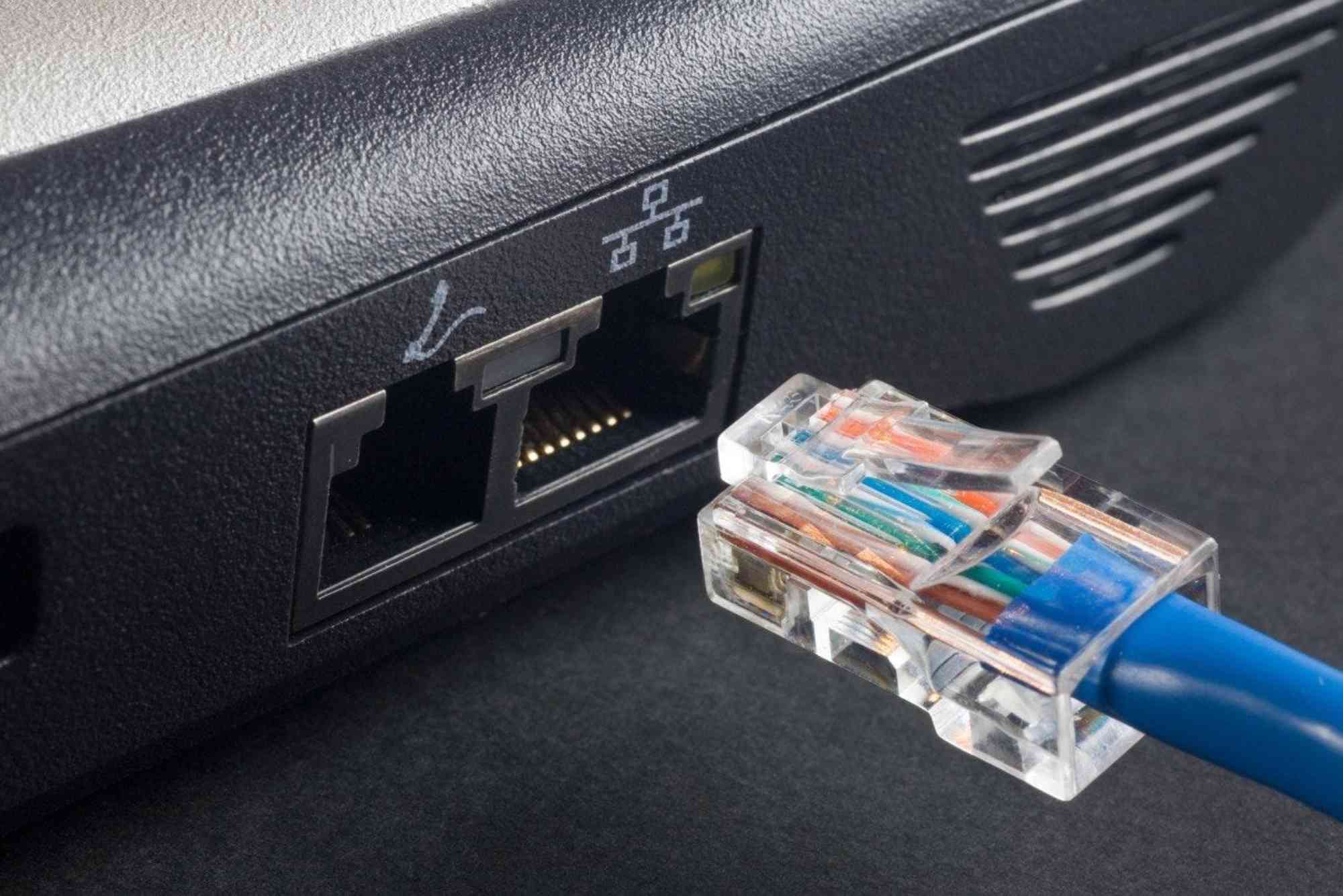
If possible, connect nodes via Ethernet. Wired backhaul reduces wireless congestion and improves overall network speed.
Signs You Need a Mesh Wi-Fi Signal Strength Test
Even with a mesh network, issues can occur. Common symptoms include:
-
Slow speeds in specific rooms
-
Dropped connections on certain devices
-
Video buffering or interrupted streaming
-
Poor Wi-Fi performance on multiple devices
Performing a mesh Wi-Fi signal strength test can quickly reveal the root cause.
Frequently Asked Questions
How do I know if my mesh Wi-Fi nodes are too far apart?
If your signal readings drop below -70 dBm between nodes, they are likely too far. Bringing them closer or adding another node helps.
Can a mesh system cover multiple floors effectively?
Yes, but walls and floors reduce signal strength. Testing each floor helps determine ideal node placement.
What is the best app for a mesh Wi-Fi signal strength test?
Apps like NetSpot, WiFi Analyzer, and AirPort Utility provide accurate measurements and visual heatmaps.
How often should I test my mesh Wi-Fi signal strength?
Test when installing a new node, after firmware updates, or if you notice connectivity issues. Regular checks ensure optimal performance.
Does interference affect mesh Wi-Fi performance?
Yes, devices like microwaves, cordless phones, and neighboring Wi-Fi networks can reduce signal quality. Test and reposition nodes accordingly.
Testing your mesh Wi-Fi signal strength is essential for reliable internet coverage. By following these steps, you can identify weak areas, optimize node placement, and enjoy seamless connectivity. Regular testing and adjustments ensure that your network performs at its best.