Introduction
If your internet connection drops in certain rooms or your devices struggle with slow speeds, a mesh Wi-Fi system can transform your online experience. Unlike traditional routers, mesh Wi-Fi uses multiple access points to deliver seamless coverage throughout your home. Whether you’re streaming, gaming, or working remotely, proper setup is essential. In this guide, we’ll share practical mesh Wi-Fi setup tips that ensure you get the strongest signal everywhere, from your living room to your backyard.
Why Mesh Wi-Fi Matters
Traditional routers broadcast from a single point. The further you move, the weaker the signal becomes. Mesh Wi-Fi solves this by using interconnected nodes to extend coverage evenly. This eliminates dead zones, keeps speeds consistent, and supports many devices at once. In busy households, or spaces with thick walls, mesh Wi-Fi delivers the stability you need.
Top Tips for Setting Up Your Mesh Wi-Fi Network
Choose the Right Mesh System for Your Needs
Before starting, assess your home layout and internet requirements. Some mesh systems are better for large homes, while others are designed for smaller apartments. If you use smart devices, look for a system that supports many connections without slowing down. Brands differ in features, so research carefully to match your needs.
Find the Ideal Placement for Your Router
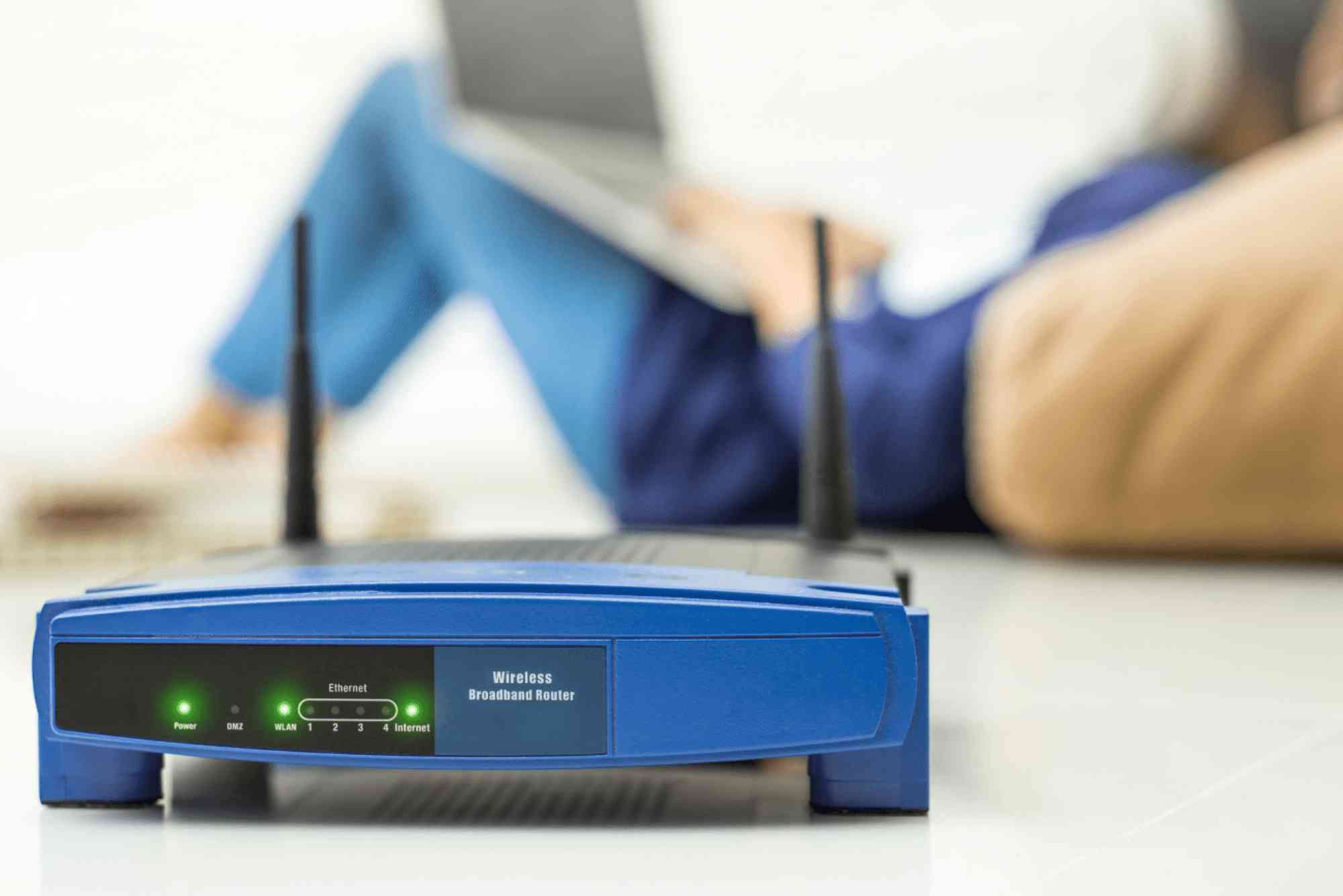
The main router node should sit in a central, open location. Avoid placing it inside cabinets, near thick walls, or beside appliances that cause interference. A higher placement, such as on a shelf, helps broadcast signals more effectively.
Strategically Position Your Mesh Nodes
For best performance, each node should be within range of another. Overlapping coverage ensures smooth handoff when you move between rooms. If you place nodes too far apart, signals weaken and cause slowdowns. For multi-story homes, put one node on each level to maintain consistent strength.
Optimize Wi-Fi Channels and Frequency Bands
Many mesh systems automatically manage channels, but manual adjustment can reduce congestion. If your neighborhood has many Wi-Fi networks, switching to less crowded channels improves reliability. Using 5GHz delivers faster speeds at close range, while 2.4GHz travels farther but more slowly. A balanced setup takes advantage of both.
Reduce Interference from Other Devices
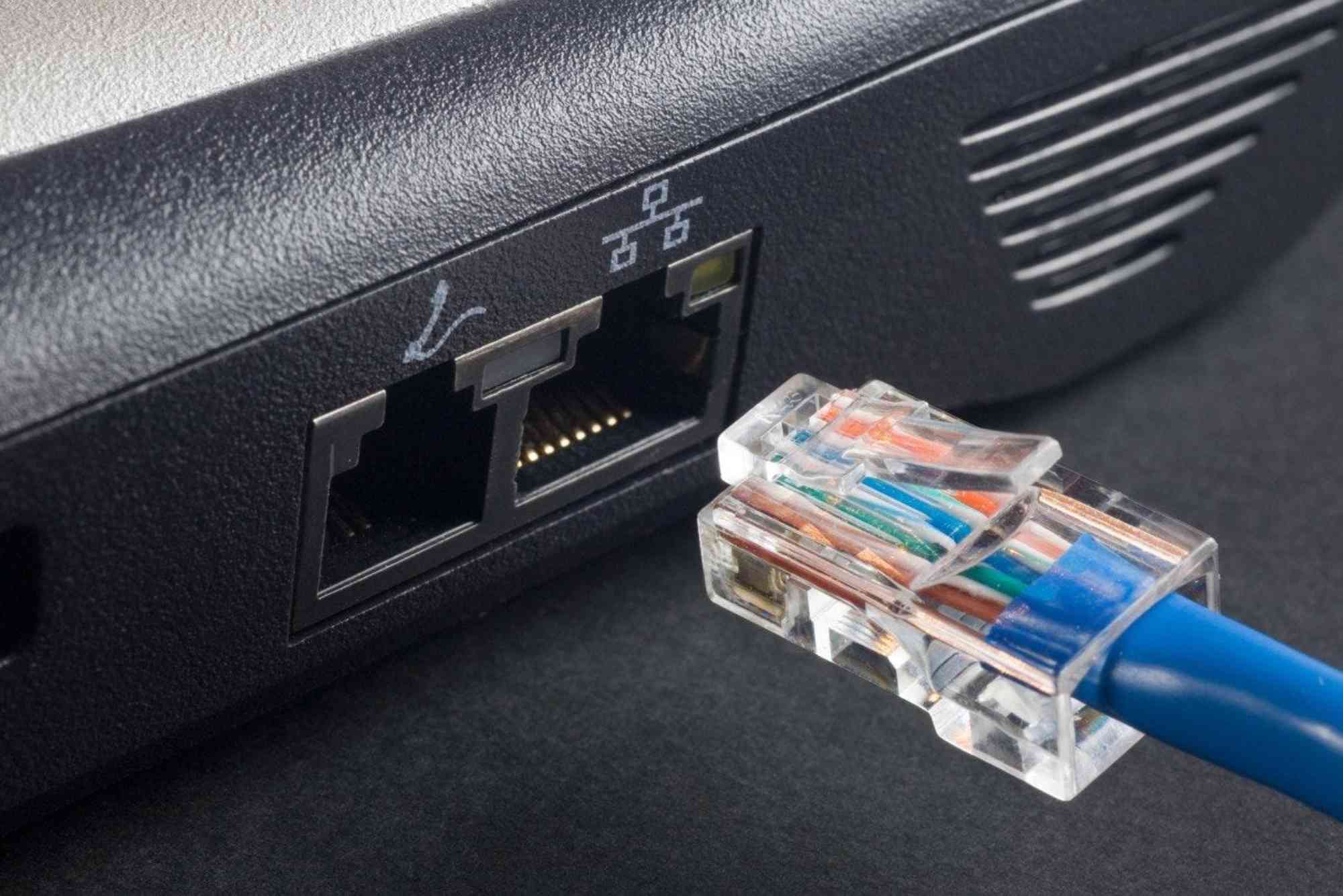
Electronics like microwaves, cordless phones, and even Bluetooth speakers can disrupt Wi-Fi. Keep nodes away from these devices for stronger signals. If possible, use wired Ethernet backhaul for at least one node, as it provides more stable performance.
Secure Your Mesh Wi-Fi Network
Strong security is vital for protecting personal data. Always change the default admin password and set a strong Wi-Fi password with mixed characters. Enable WPA3 encryption if your system supports it. Regularly update your firmware to patch vulnerabilities and improve performance.
Use the App for Monitoring and Management
Most mesh Wi-Fi systems come with user-friendly apps. These apps let you monitor speed, manage connected devices, set parental controls, and troubleshoot issues. They also send alerts when updates are available, making it easier to keep your network secure and efficient.
Common Mistakes to Avoid
When setting up a mesh Wi-Fi network, rushing placement often leads to weak coverage. Many users put nodes too close or too far apart. Another mistake is ignoring firmware updates, which can impact performance and security. Some also rely only on wireless connections when wired backhaul could boost speed. Being mindful of these errors saves time and frustration.
Mesh Wi-Fi vs. Traditional Wi-Fi Extenders
Unlike extenders that create separate networks, mesh Wi-Fi creates one unified connection. This means no manual switching as you move around. Extenders often reduce speed, but mesh maintains consistent performance. If you’ve used extenders in the past and struggled with drops, a mesh system is the solution.
A family in Mountain View upgraded to a mesh Wi-Fi system after years of dealing with dead zones in their upstairs bedrooms. After proper placement and configuration, they now enjoy full coverage for streaming, video calls, and smart home devices. Their experience shows how important setup is for maximizing results.
FAQs on Mesh Wi-Fi Setup
How many mesh Wi-Fi nodes do I need?
It depends on your home’s size and structure. Most systems start with two or three nodes, expandable if needed.
Does mesh Wi-Fi replace my router?
Yes, most mesh systems act as both router and extender, eliminating the need for a separate traditional router.
Can I mix mesh systems from different brands?
It’s not recommended. Mesh nodes from different brands rarely work together smoothly. Stick to one brand for compatibility.
Will mesh Wi-Fi improve gaming performance?
Yes, by reducing latency and maintaining stable connections. For the best results, connect your gaming console with Ethernet.
Do mesh Wi-Fi systems work with all ISPs?
Yes, they are compatible with most internet service providers. Just connect the main node to your modem.
Setting up a mesh Wi-Fi network correctly makes all the difference in achieving smooth, reliable internet. From choosing the right system and placing nodes strategically to reducing interference and securing your network, each step matters. With these mesh Wi-Fi setup tips, you can finally say goodbye to dead zones and enjoy consistent speeds everywhere.
If you’re ready to upgrade your connectivity, explore trusted providers like Dhanote Internet Services to ensure you have the bandwidth that matches your mesh system. Don’t let poor setup waste your investment—take action today and experience the difference of a well-optimized network.