Introduction
In today’s connected world, strong and reliable internet is essential for work, streaming, and smart home devices. Traditional routers often struggle to cover every corner of a house, especially in multi-story homes or apartments with thick walls. This is where mesh Wi-Fi comes in. A mesh Wi-Fi setup app makes the installation process simple, guiding you step by step while ensuring optimal placement of nodes for the best coverage.
This mesh Wi-Fi setup app guide will show you how to use these apps effectively, optimize performance, and keep your network running smoothly. Whether you’re installing for the first time or fine-tuning your existing system, you’ll find practical insights here.
Why Mesh Wi-Fi Setup Apps Matter
Mesh Wi-Fi eliminates dead zones by using multiple nodes to blanket your entire home with consistent coverage. But the real magic happens inside the companion app. These apps do more than walk you through installation. They help with network monitoring, device prioritization, troubleshooting, and even parental controls.
Without an app, setting up and maintaining a mesh system would be much more complicated. With one, even non-technical users can create a professional-grade home network.
Getting Started with Your Mesh Wi-Fi Setup App
Downloading and Installing the App
Every major mesh Wi-Fi brand provides its own dedicated app, available for iOS and Android. After unboxing your system, the first step is downloading the app recommended by your manufacturer. Make sure you install it directly from the official app store to avoid third-party versions.
Preparing Your Network
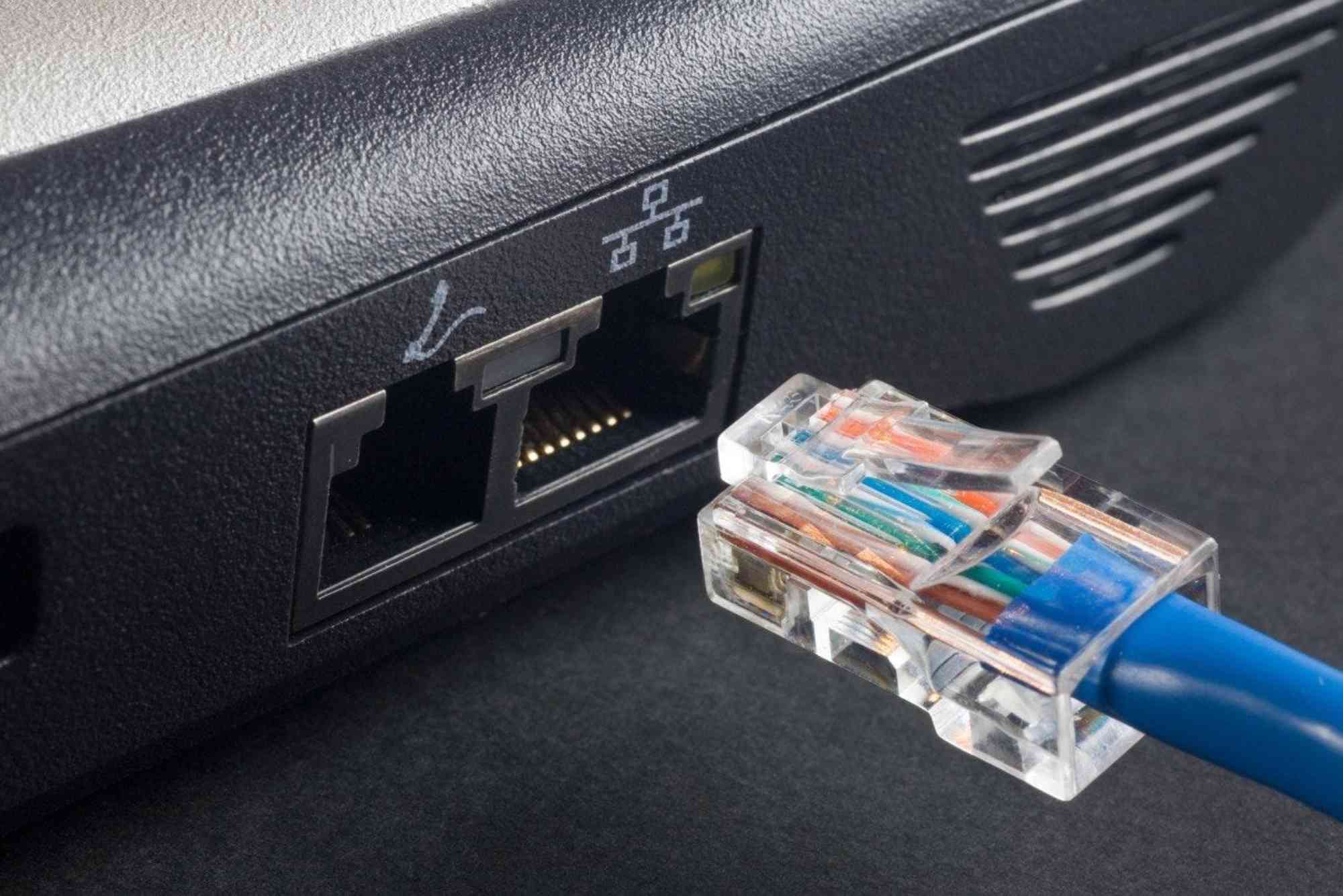
Before opening the app, unplug your old router and have your modem ready. Most apps will guide you through connecting the primary mesh node to your modem with an Ethernet cable. This ensures the network can initialize properly.
Following Guided Setup
When you launch the app, it usually asks you to create an account. This account links your network to cloud-based features, such as remote management. Once you log in, the app provides a guided wizard with clear on-screen prompts.
Optimizing Node Placement
Using App-Based Suggestions
Placement of nodes is crucial to mesh Wi-Fi performance. Too close, and they waste coverage overlap. Too far, and the signal drops. Most apps have built-in placement guides. These use signal strength indicators to suggest ideal spots for secondary nodes.
Testing Wi-Fi Strength
After placing a node, the app often runs a quick test to measure signal quality. If performance is poor, it suggests moving closer. This ensures that each part of your home has seamless coverage.
Advanced Features in Mesh Wi-Fi Apps
Device Prioritization
Some mesh Wi-Fi apps let you prioritize bandwidth for certain devices. For example, if you’re streaming a workout class from Orange Theory Mountain View or attending a Zoom meeting, you can make sure your device gets the strongest possible connection.
Parental Controls
If you want to manage internet usage for kids, setup apps often include parental control features. You can pause Wi-Fi on certain devices, schedule offline times, or block inappropriate sites.
Guest Networks
Many apps allow you to set up a guest Wi-Fi network in just a few taps. This gives visitors internet access without exposing your main network.
Monitoring and Troubleshooting with Apps
Mesh Wi-Fi setup apps don’t stop working after installation. They help you keep your network healthy. You can monitor real-time traffic, see which devices are connected, and run speed tests.
If your connection slows, the app usually offers troubleshooting steps. These can include restarting specific nodes, re-running placement checks, or updating firmware. By following the in-app recommendations, you can often solve problems without calling technical support.
Security and Updates
Keeping your mesh Wi-Fi system secure is critical. Apps make this process much easier by sending push notifications when firmware updates are available. Regular updates not only improve performance but also patch security vulnerabilities.
You can also enable extra security layers through your app, such as WPA3 encryption or enhanced malware protection, depending on the system you’re using.
Common Mistakes to Avoid
One common mistake is ignoring app recommendations for node placement. Another is forgetting to update the system regularly, leaving your network vulnerable. Users also sometimes overload the network with too many devices without enabling quality-of-service features. By using the app consistently, you avoid these pitfalls.
FAQ: People Also Ask
Q: How do I set up a mesh Wi-Fi system using an app?
A: Download the manufacturer’s app, connect the primary node to your modem, then follow the in-app guided setup to add more nodes.
Q: Do I need the app after initial setup?
A: Yes. The app helps with monitoring, troubleshooting, firmware updates, and network optimization even after installation.
Q: Can a mesh Wi-Fi app improve speed?
A: While it doesn’t increase your internet plan’s speed, proper setup and optimization through the app improve coverage and consistency.
Q: Is mesh Wi-Fi better than a traditional router?
A: For larger spaces or homes with coverage dead zones, mesh Wi-Fi generally performs better because it uses multiple nodes.
Mesh Wi-Fi setup apps transform what could be a complicated installation into a smooth, user-friendly experience. By following app-based guidance, testing placement, and using advanced features like device prioritization and parental controls, you can create a network that works for your entire household.
Don’t forget that regular monitoring and updates through the app are key to maintaining performance and security. If you’re looking for dependable internet solutions, consider Dhanote Internet Services to keep your network fast and reliable.