Troubleshooting Mesh Wi-Fi That Won’t Connect
Mesh Wi-Fi systems have quickly become the go-to solution for modern homes and offices that demand seamless internet coverage. Instead of relying on a single router, mesh Wi-Fi spreads signals across multiple nodes, reducing dead zones and ensuring smoother browsing, streaming, and gaming experiences. However, even the most advanced mesh systems sometimes fail to connect, leaving users frustrated and disconnected. If you are dealing with mesh Wi-Fi not connecting, this guide will walk you through the most common issues and provide step-by-step troubleshooting methods to restore reliable connectivity.
Why Mesh Wi-Fi Stops Connecting
Mesh Wi-Fi systems are designed for convenience, but they rely on multiple factors to function properly. A weak internet source, outdated firmware, misconfigured settings, or interference from other devices can all prevent your mesh system from connecting. Unlike traditional routers, mesh nodes communicate with one another, which means that even a small disruption at one point can impact the entire network. Understanding these root causes makes troubleshooting easier and helps you avoid repeat problems.
Troubleshooting for Mesh Wi-Fi Not Connecting
When your mesh Wi-Fi system won’t connect, don’t panic. Most issues can be resolved without replacing your equipment. By following structured troubleshooting steps, you can quickly restore your network.
Restart Your Mesh System and Modem
The first and simplest step is to restart your devices. Unplug your modem, main mesh router, and all nodes. Wait at least 30 seconds before plugging them back in. Restarting clears temporary glitches, re-establishes the connection with your Internet Service Provider (ISP), and allows the mesh system to sync properly again.
Check Your Internet Source
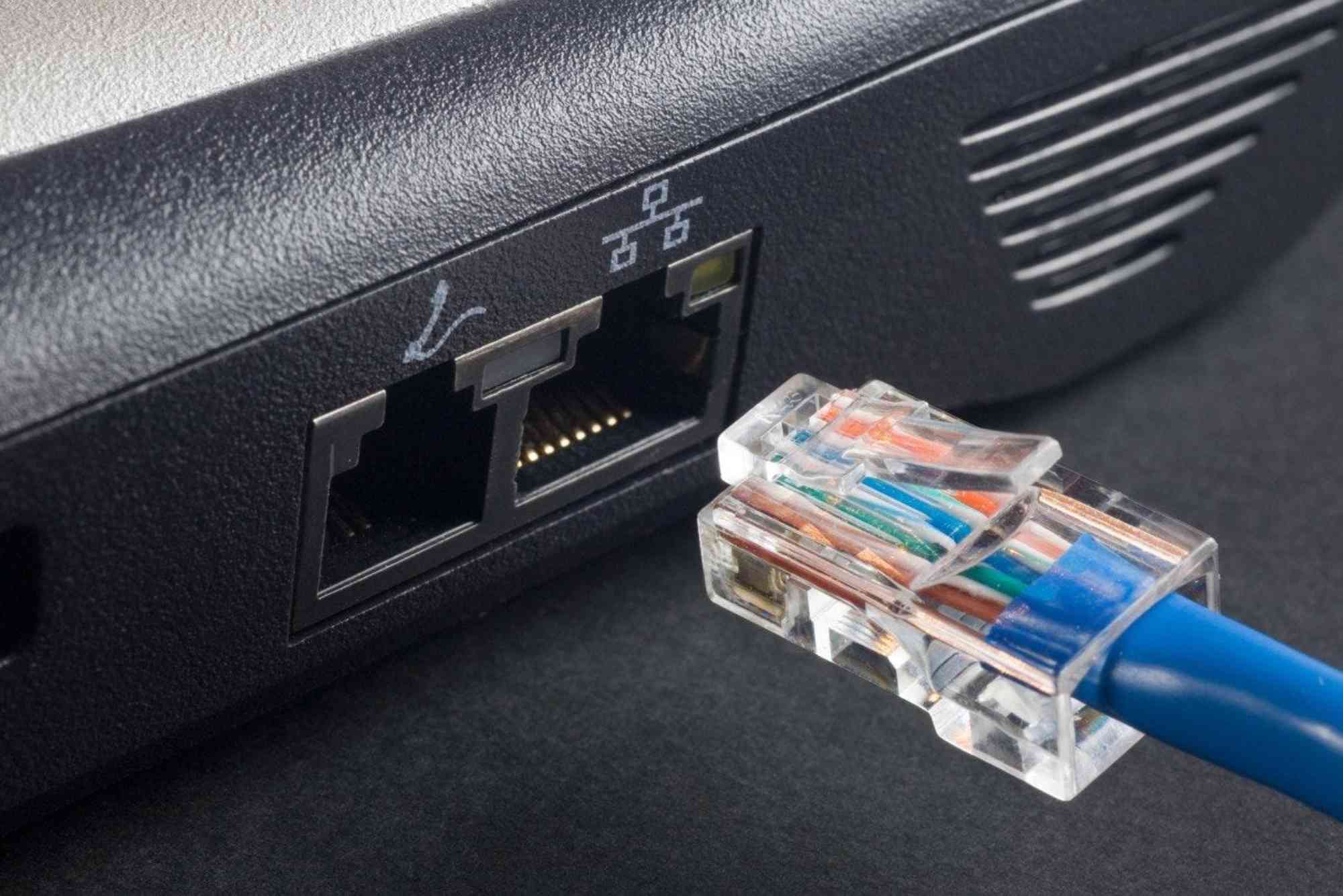
Before blaming the mesh system, confirm that your ISP service is active. Connect a device directly to your modem using an Ethernet cable. If the internet works this way, the issue lies with the mesh Wi-Fi configuration. If it doesn’t, you may need to contact your ISP. Services like Dhanote Internet Services provide consistent support for diagnosing and resolving ISP-level issues.
Ensure Proper Node Placement
Mesh nodes need strategic placement to work effectively. If a node is too far from the main router or blocked by walls, it won’t connect. Place nodes within range of one another while avoiding areas with heavy interference, such as near microwaves or cordless phones. Proper placement reduces connection drops and ensures stable communication between nodes.
Update Mesh Firmware
Outdated firmware is one of the most common reasons for mesh Wi-Fi not connecting. Manufacturers regularly release updates to improve performance and security. Use the official mobile app or web interface for your mesh system to check for updates. Applying the latest firmware ensures your system stays compatible with your ISP and minimizes bugs.
Re-Sync the Nodes
Sometimes nodes lose synchronization with the main router. Most mesh apps provide an option to re-sync or add nodes again. Remove the problematic node, reset it using the manufacturer’s instructions, and then add it back through the app. This often resolves stubborn connection problems.
Check Power Supply and Cables
Loose or faulty cables can easily interrupt your mesh network. Inspect power cords, Ethernet connections, and adapter plugs to ensure they are secure and working. Even a slightly loose connection can cause your mesh system to fail.
Eliminate Device Overload
Mesh systems are designed to handle multiple devices, but too many simultaneous connections can cause instability. Disconnect unused devices temporarily and see if the system regains stability. If this fixes the problem, consider upgrading to a mesh system that supports more devices.
Reset to Factory Settings
If none of the above works, resetting the mesh system to factory settings may help. Hold down the reset button on the main router and nodes until the lights indicate a reset. Then set up the system from scratch using the manufacturer’s app. While this may take time, it removes corrupted settings and restores default functionality.
Advanced Troubleshooting Tips
For persistent issues, a deeper approach may be necessary.
Reduce Network Interference
Mesh Wi-Fi operates on both 2.4 GHz and 5 GHz bands, which can overlap with other wireless devices. Switch to a less crowded channel through the mesh system’s app or settings. This reduces interference and improves connection reliability.
Check for Double NAT Issues
If your mesh system is connected to another router, double NAT (Network Address Translation) may prevent proper connectivity. Put your ISP modem in bridge mode or configure your mesh system to handle routing. Eliminating double NAT ensures smoother device communication.
Monitor Band Steering
Many mesh systems automatically move devices between 2.4 GHz and 5 GHz bands. While convenient, this can sometimes cause interruptions. Disable band steering temporarily to test if the problem resolves, then adjust settings accordingly.
Replace Faulty Hardware
If only one node consistently fails despite troubleshooting, it may be a hardware issue. Contact your manufacturer for a replacement under warranty. Investing in reliable hardware prevents ongoing disruptions.
Preventing Future Mesh Wi-Fi Issues
Once your system is running smoothly again, a few proactive steps can help maintain long-term stability. Regularly update firmware, keep nodes in open spaces, and avoid stacking too many devices on your network. Scheduling routine restarts can also improve performance. Additionally, choosing a reliable ISP such as Dhanote Internet Services provides a strong foundation for your mesh system.
Mesh Wi-Fi systems are powerful tools for achieving reliable whole-home coverage, but they are not immune to connection issues. When you face problems with mesh Wi-Fi not connecting, the solution is usually simpler than it seems. From restarting devices and checking cables to updating firmware and repositioning nodes, most fixes can be done in minutes. For more complex problems, advanced troubleshooting like reducing interference or addressing double NAT can restore stability. With consistent maintenance and a reliable internet provider like Dhanote Internet Services, you can ensure that your mesh Wi-Fi remains fast, stable, and fully connected.
Frequently Asked Questions
Why is my mesh Wi-Fi not connecting to the internet?
This usually happens due to poor ISP connection, outdated firmware, or misconfigured settings. Restarting your modem and mesh system often helps.
How do I fix a mesh node that won’t connect?
Try moving the node closer to the main router, re-syncing it via the app, or resetting it to factory settings.
Can mesh Wi-Fi work without internet?
Mesh Wi-Fi can still connect devices within your home network, but you won’t be able to access the internet without an active ISP connection.
Does mesh Wi-Fi slow down internet speed?
No, a properly set up mesh system should not reduce speed. Poor placement or interference, however, can affect performance.
Should I reset my mesh Wi-Fi regularly?
It’s not necessary to reset it often, but occasional restarts can improve system stability and performance.