How to Optimize Mesh Wi-Fi for Gaming
Gaming today requires not just skill but also fast, reliable, and uninterrupted internet. Whether you are a casual gamer exploring open worlds or a competitive player battling in real-time, your connection plays a critical role in determining performance. This is why many gamers are turning to mesh Wi-Fi systems as a solution. Unlike traditional single-router setups, mesh Wi-Fi creates a seamless web of coverage throughout your home. By placing multiple nodes, you reduce dead zones and minimize lag. But having a mesh system alone is not enough—you need to optimize it for gaming.
Why Mesh Wi-Fi for Gaming Matters
The need for mesh Wi-Fi for gaming stems from the evolving nature of games and their dependence on stable connections. Online multiplayer titles require lightning-fast communication between players and servers. A single lag spike can mean missing a crucial shot or losing progress. Traditional routers often fail to cover larger homes, and signals weaken through walls and floors. Mesh Wi-Fi addresses these challenges by providing multiple access points that share the load. Instead of relying on one router struggling to reach every corner, mesh systems spread signals evenly. This ensures your gaming console, PC, or mobile device connects to the nearest node with the strongest signal. Optimizing mesh Wi-Fi ensures that you maximize this advantage and avoid bottlenecks.
Understanding Key Factors That Impact Gaming Performance
Gaming performance over Wi-Fi depends on several factors. Speed is one, but stability and latency are equally important. Speed refers to how much data transfers per second, while latency measures the delay between your action and the server’s response. A high-speed connection with poor latency can still ruin gaming. Mesh systems improve stability by balancing traffic across nodes, but interference from other devices, placement of nodes, and outdated firmware can undermine performance. By fine-tuning these aspects, you can create an environment where mesh Wi-Fi for gaming truly shines.
Strategic Placement of Mesh Nodes
One of the most overlooked elements of mesh Wi-Fi optimization is node placement. To reduce latency, nodes should be positioned to maximize line-of-sight and minimize interference. Placing a node near your gaming area ensures the shortest possible signal path. Avoid keeping nodes inside cabinets or behind thick walls, as this blocks signals. For multi-story homes, consider positioning one node on each level to ensure even coverage. Distance also matters; nodes too far apart can weaken the mesh link, while nodes too close may create interference. Balancing this placement ensures your gaming device always connects to the nearest, most stable point.
Optimizing Bandwidth for Gaming
Bandwidth competition is another issue. Streaming, video calls, and downloads happening alongside gaming can create lag. Many mesh systems now support Quality of Service (QoS) settings, which prioritize gaming traffic over less critical tasks. By enabling QoS, you ensure that your console or PC receives the highest priority during gameplay. Some mesh systems allow you to assign priority devices. Configuring your gaming device as a priority ensures uninterrupted bandwidth, even when others are watching movies or downloading large files.
Using Wired Backhaul for Maximum Stability
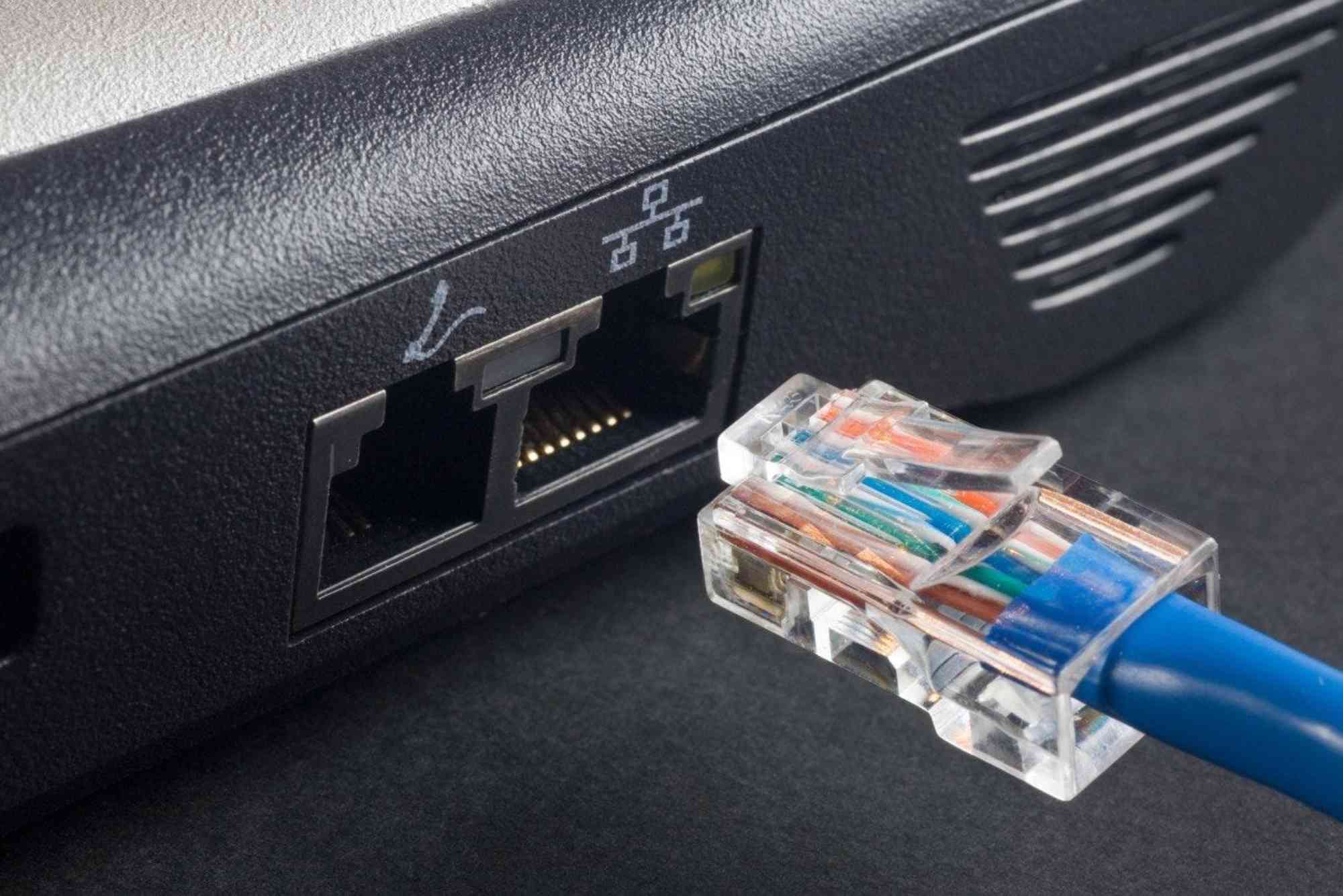
Although mesh Wi-Fi is wireless, gamers benefit from integrating wired connections where possible. Many mesh systems support wired backhaul, where nodes connect through Ethernet cables. This reduces wireless interference between nodes and creates a faster backbone for the entire system. If your gaming setup is near a node, connecting via Ethernet ensures zero packet loss and minimum latency. This hybrid approach combines the flexibility of mesh Wi-Fi with the stability of wired connections, making it the ultimate solution for gaming households.
Firmware Updates and Security Enhancements
Like any network technology, mesh Wi-Fi systems need regular updates. Firmware updates improve performance, patch vulnerabilities, and introduce new features. Ignoring these updates can compromise gaming stability and security. Updated systems reduce connection drops and adapt to new devices better. In addition, enabling advanced security settings protects your gaming data from threats. Cyberattacks or malware can not only slow down your internet but also risk personal information. Keeping your mesh Wi-Fi firmware current ensures peak performance and safety.
Minimizing Interference from Other Devices
Mesh Wi-Fi for gaming can also suffer from interference caused by household electronics. Microwaves, cordless phones, and even neighboring Wi-Fi networks can disrupt signals. Most mesh systems operate on both 2.4 GHz and 5 GHz bands. For gaming, the 5 GHz band is preferable due to faster speeds and lower interference. Configuring your gaming device to stick to this band ensures better stability. Some systems also feature automatic channel selection, which scans and selects the least congested frequency. By reducing interference, you enhance responsiveness and reduce lag spikes.
Power of Dedicated Gaming Modes
Certain mesh systems offer dedicated gaming modes, designed specifically to enhance performance. These modes allocate resources to reduce jitter, lower latency, and improve packet delivery. While not all mesh systems offer this feature, those that do provide an additional layer of optimization. Gamers should explore their system’s app or control panel to activate these settings. Even without a dedicated mode, manual adjustments such as prioritizing gaming traffic or setting up a guest network for non-gaming devices help maintain focus on gaming quality.
The Role of Internet Service Providers
Even with the best mesh system, your gaming experience depends on your internet service provider (ISP). High-speed plans with sufficient bandwidth are essential, but equally important is consistency. If your ISP frequently experiences downtime or throttles connections, no amount of mesh optimization can fully resolve it. Reliable ISPs like Dhanote Internet Services provide the stable foundation upon which mesh Wi-Fi systems thrive. Choosing the right plan, ensuring sufficient upload and download speeds, and avoiding peak-time congestion are all steps that support better gaming.
Balancing Gaming and Streaming Devices
Gaming households often juggle multiple connected devices, from smart TVs to smartphones. While mesh systems can handle large numbers of devices, gaming requires special attention. Disabling background downloads, pausing software updates, and scheduling heavy data usage for off-peak times can significantly improve gaming responsiveness. Mesh apps often provide dashboards showing which devices consume the most bandwidth. Monitoring this helps you identify problem areas and take corrective action.
Future of Mesh Wi-Fi for Gaming
Mesh Wi-Fi technology continues to evolve, and its role in gaming will only grow. With the arrival of Wi-Fi 6 and Wi-Fi 6E, gamers can expect faster speeds, better efficiency, and reduced latency. These technologies allow more devices to share the network without congestion. As cloud gaming and VR become more mainstream, the demand for optimized connections will rise. By preparing your mesh Wi-Fi today, you ensure readiness for the future of gaming.
FAQs
Is mesh Wi-Fi good for gaming?
Yes, mesh Wi-Fi provides stable coverage across large areas, reducing dead zones and latency issues that affect gaming performance.
Does mesh Wi-Fi reduce lag?
When optimized, mesh Wi-Fi reduces lag by ensuring your device connects to the nearest node with the strongest signal. Using QoS and wired backhaul enhances this effect.
Is Ethernet still better than mesh Wi-Fi for gaming?
Ethernet provides the lowest latency possible, but mesh Wi-Fi with wired backhaul comes close. For wireless gaming, a well-optimized mesh system is the best option.
Do mesh Wi-Fi systems work with all gaming consoles?
Yes, mesh Wi-Fi works with PlayStation, Xbox, Nintendo Switch, and PCs, provided you configure settings for optimized performance.
Can mesh Wi-Fi handle multiple gamers in one household?
Yes, especially with Wi-Fi 6 mesh systems. Prioritizing each console and managing bandwidth ensures smooth gameplay for multiple users.