Introduction
In today’s connected world, reliable internet access is no longer a luxury but a necessity. Many households and businesses are moving to mesh Wi-Fi systems because they provide consistent coverage, fewer dead zones, and smoother performance. However, not every setup works flawlessly. Users often face mesh Wi-Fi compatibility issues when combining different devices, brands, or older routers with newer mesh technology. These challenges can be frustrating, but with the right approach, they are solvable.
This article explains why compatibility issues happen, how to identify them, and practical solutions to make your mesh network stable and reliable.
Understanding Mesh Wi-Fi Compatibility Issues
Mesh Wi-Fi works by connecting multiple nodes across your home or office. These nodes communicate with each other, forming a unified wireless network. However, compatibility problems arise when different devices, routers, or firmware versions do not “speak the same language.”
Compatibility issues may manifest as dropped connections, reduced speeds, or nodes failing to sync. Sometimes, an older modem or an incompatible third-party router can disrupt the mesh system. In other cases, issues arise when mixing devices from different manufacturers.
Common Causes of Mesh Wi-Fi Compatibility Issues
Outdated Router or Modem
Older routers or modems may not support the advanced protocols mesh Wi-Fi uses, like WPA3 encryption or Wi-Fi 6 standards. This mismatch often causes unstable connectivity.
Mixing Different Brands
While some brands claim universal compatibility, most mesh systems work best when nodes are from the same manufacturer. Mixing different ecosystems increases the risk of instability.
Firmware Mismatches
If mesh nodes are running different firmware versions, they may not communicate properly. Updates are essential to keep devices synchronized.
Device Interference
Sometimes, compatibility problems aren’t about hardware. Other electronics like cordless phones, microwaves, or Bluetooth devices can interfere with the mesh system.
ISP Restrictions
Some internet service providers require specific router settings or block third-party devices, creating mesh Wi-Fi compatibility issues when integrating with their equipment.
How to Troubleshoot Mesh Wi-Fi Compatibility Issues
Check for Firmware Updates
Manufacturers frequently release updates to address bugs and improve compatibility. Ensure all mesh nodes and the main router are updated.
Reset and Reconfigure
If issues persist, resetting the system and reconfiguring it from scratch often resolves hidden compatibility conflicts.
Ensure Same Brand Devices
Using nodes from one brand (e.g., TP-Link, Netgear, Google Nest) reduces risk. Mixing devices should be avoided unless officially supported.
Adjust Network Settings
Changing Wi-Fi bands, adjusting channels, or enabling backward compatibility modes often resolves conflicts with older devices.
Consult Your ISP
Sometimes, the issue lies in your ISP’s settings. Reach out to providers like Dhanote Internet Services for tailored assistance in ensuring compatibility with mesh devices.
Best Practices to Avoid Compatibility Issues in the First Place
Research Before Buying
Before investing in a mesh system, confirm whether it works with your existing modem and ISP. Reading user reviews can save future headaches.
Stick with the Same Ecosystem
Once you choose a brand, continue with that ecosystem. For example, adding Google Nest nodes to an existing Nest setup ensures smoother operation.
Future-Proof Your Setup
Opt for Wi-Fi 6 or Wi-Fi 6E mesh systems if possible. They are backward compatible but also prepared for future devices.
Position Nodes Strategically
Even if devices are compatible, poor placement creates performance issues. Ensure nodes are within range and avoid walls or large appliances.
Keep Software Updated
Regularly update both mesh devices and connected smart devices for optimal performance.
Advanced Solutions for Mesh Wi-Fi Compatibility
Sometimes, basic troubleshooting isn’t enough. For complex cases, advanced solutions may be necessary.
Use Bridge Mode
If your ISP router conflicts with the mesh system, switch the ISP router to “bridge mode.” This allows the mesh network to handle all routing.
Enable Guest Networks
If certain devices struggle with compatibility, placing them on a guest network with simpler security protocols can resolve the problem.
Separate Frequency Bands
Older devices may not connect well to 5 GHz. Splitting the SSIDs into 2.4 GHz and 5 GHz networks helps them connect reliably.
Consider Ethernet Backhaul
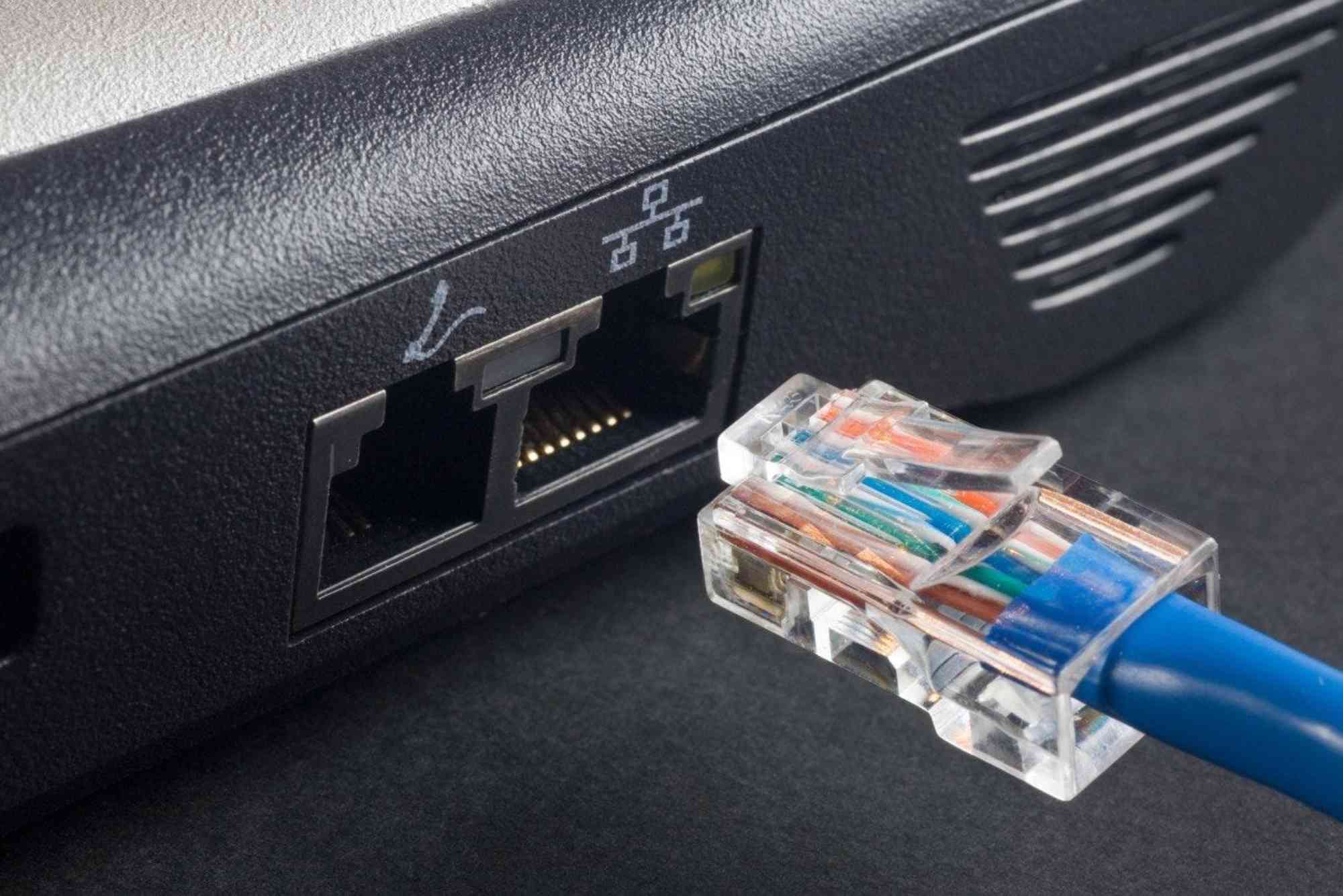
If wireless compatibility is unstable, use Ethernet cables to connect nodes. This eliminates wireless interference and stabilizes the system.
The Role of Internet Providers in Compatibility
Your ISP plays a significant role in mesh performance. Some ISPs supply modems that may not be compatible with third-party mesh devices. Partnering with reliable providers like Dhanote Internet Services ensures you receive guidance on setup and device support, reducing future conflicts.
Real-World Scenarios of Mesh Wi-Fi Compatibility Issues
A homeowner may buy a new mesh Wi-Fi 6 system but still use a five-year-old modem. As a result, devices disconnect randomly. Once the modem is upgraded, the problem disappears.
In another case, an office installs a mix of different mesh brands to save costs. However, the nodes fail to create a stable network, forcing them to switch to a single-brand solution.
These real-world examples highlight that compatibility is not about having the most expensive device but ensuring all parts work together.
(FAQs)
Why is my mesh Wi-Fi not connecting to my ISP router?
This usually happens because the router is not set to bridge mode or has conflicting DHCP settings.
Can I mix different mesh Wi-Fi brands?
In most cases, no. While some standards aim to allow interoperability, stability is best achieved by sticking to one brand.
Why do my older devices fail to connect to mesh Wi-Fi?
Older devices may not support modern encryption or 5 GHz frequencies. Switching to 2.4 GHz often resolves this.
Do firmware updates really fix compatibility issues?
Yes. Manufacturers release updates to address bugs, enhance security, and improve compatibility across devices.
Is Ethernet backhaul better than wireless for mesh Wi-Fi?
Yes. Ethernet backhaul reduces wireless interference and ensures faster, more stable communication between nodes.
Mesh Wi-Fi offers seamless coverage and high-speed connectivity, but only if your devices work together properly. By understanding and addressing mesh Wi-Fi compatibility issues, you can prevent common problems such as dropped signals and unstable performance. From firmware updates to ISP consultations, each step makes your network more reliable.
If you are struggling with persistent issues, it may be time to consult a trusted provider like Dhanote Internet Services. Their professional guidance ensures that your mesh system integrates smoothly with your existing setup.