Introduction
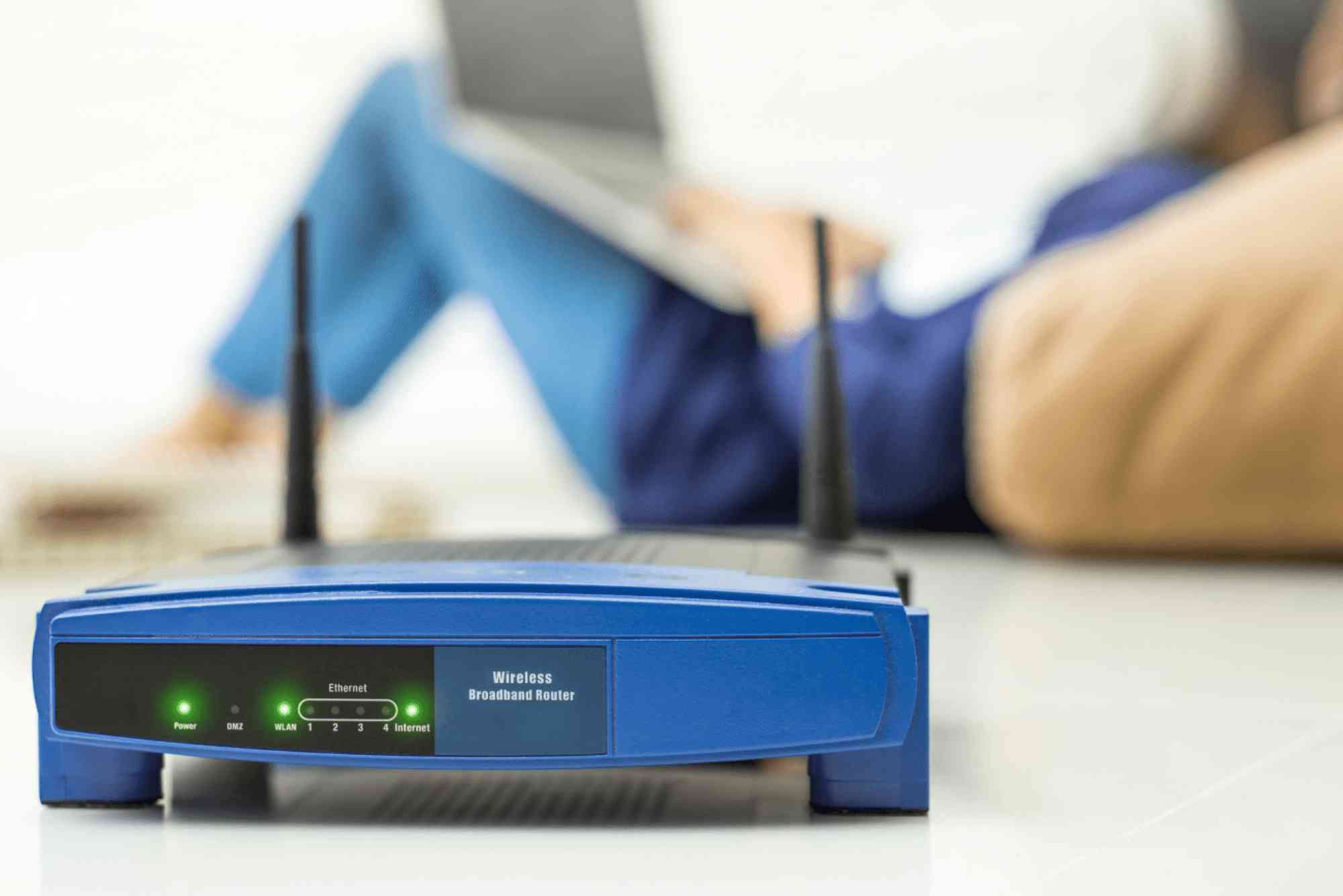
Mesh Wi-Fi systems have transformed home and business networking, solving common problems like dead zones and unstable connections. At the heart of any mesh network is its backhaul. Understanding mesh Wi-Fi backhaul options is essential for choosing a system that ensures strong, consistent performance. Without the right backhaul, even the most advanced mesh system will struggle to deliver seamless coverage.
In this article, we’ll break down what mesh Wi-Fi backhaul is, explore different backhaul methods, and help you decide which option works best for your setup. Whether you’re upgrading your home internet or setting up reliable coverage for a workplace like Orange Theory Mountain View, knowing the right backhaul strategy is the key to success.
What is Mesh Wi-Fi Backhaul?
A mesh Wi-Fi network uses multiple access points, called nodes, to provide coverage across a wide area. These nodes must communicate with each other to deliver smooth connectivity. The communication pathway between the nodes is known as the backhaul. Without a strong backhaul, your mesh system may face signal degradation, bottlenecks, or coverage gaps.
Mesh Wi-Fi Backhaul Options
Wireless Backhaul
Wireless backhaul uses Wi-Fi radio frequencies to connect nodes. This method is the most common because it requires no extra wiring and offers flexibility in setup. However, since wireless backhaul shares bandwidth with your devices, it may reduce speed under heavy usage. Tri-band systems partly solve this by dedicating one band to node-to-node communication, ensuring better performance.
Ethernet Backhaul
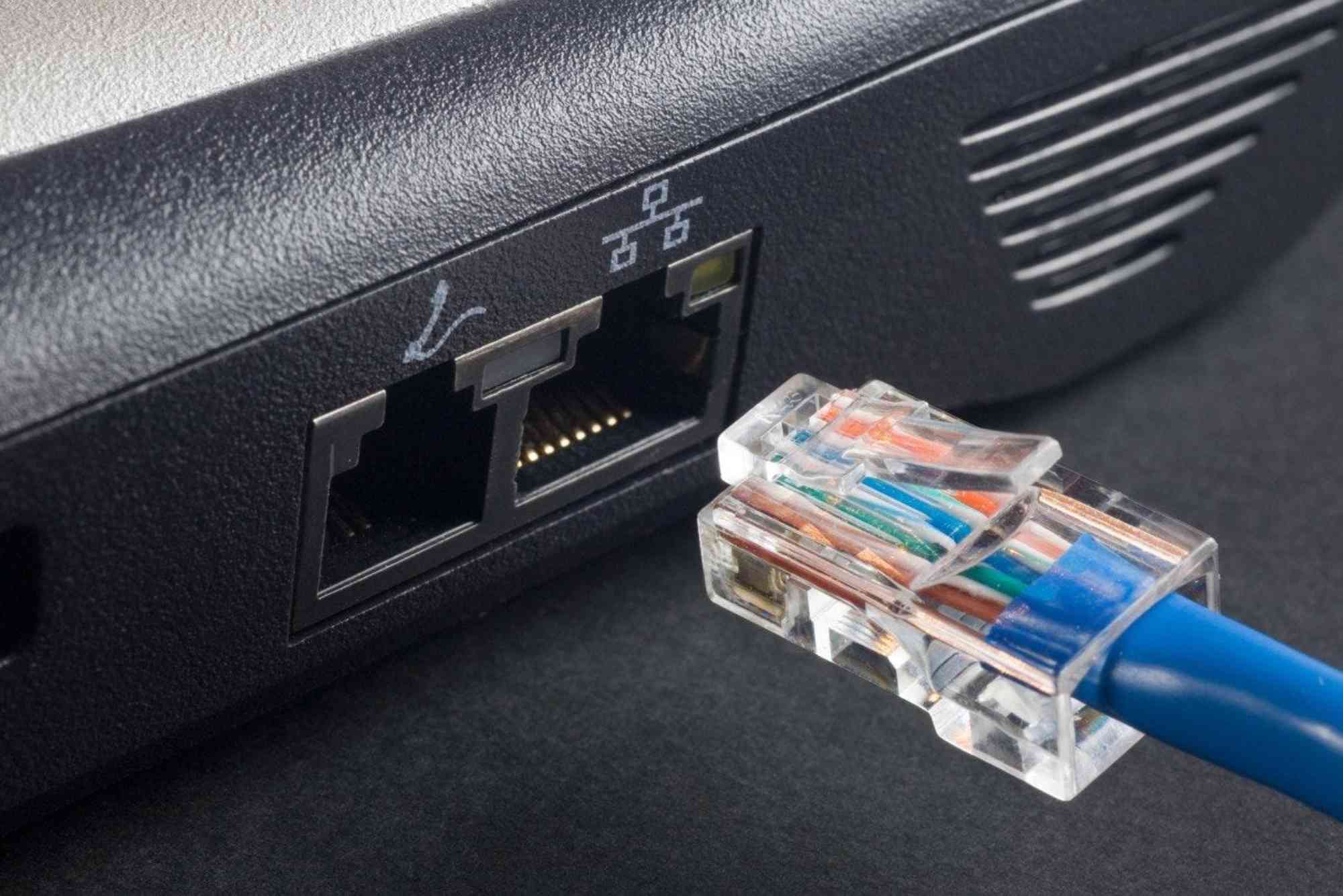
Ethernet backhaul relies on physical wired connections between nodes. This option is the most stable and delivers maximum bandwidth since it bypasses wireless interference. If your home or office has Ethernet cabling, this is the best choice. It ensures every node works at full capacity, making it ideal for demanding environments with many users.
Powerline Backhaul
Powerline backhaul uses your building’s electrical wiring to connect nodes. It offers a convenient solution for spaces where running Ethernet cables is impractical. However, the performance of powerline backhaul depends heavily on the quality of your wiring. It may be inconsistent if electrical noise or older wiring is present.
Choosing the Right Mesh Wi-Fi Backhaul Option
When deciding between wireless, Ethernet, or powerline backhaul, consider your specific needs. If simplicity matters most, wireless backhaul is a great starting point. If reliability and maximum speed are priorities, Ethernet backhaul outperforms every alternative. For situations where Ethernet isn’t possible, powerline offers a compromise solution.
For a fitness studio, coworking space, or busy household, Ethernet backhaul ensures uninterrupted streaming and video calls. On the other hand, smaller homes or apartments often find wireless backhaul perfectly sufficient.
Factors That Impact Mesh Wi-Fi Backhaul Performance
Several factors influence backhaul efficiency. Wireless backhaul may suffer from interference caused by walls, neighboring networks, or distance between nodes. Ethernet backhaul requires proper cabling but eliminates these concerns entirely. Powerline backhaul performance can vary based on circuit design and household appliances. Understanding these factors helps you choose a system that matches your environment.
Frequently Asked Questions
What is the best backhaul for mesh Wi-Fi?
Ethernet backhaul is the most reliable and offers the fastest speeds. Wireless backhaul is easier to install, while powerline works as a flexible alternative.
Do all mesh systems support Ethernet backhaul?
Not all do, but many modern mesh Wi-Fi systems include Ethernet ports for wired backhaul. Always check product specifications before purchase.
Will wireless backhaul slow down my internet?
Wireless backhaul can reduce available bandwidth since it shares frequencies with devices. Tri-band mesh systems help minimize this effect.
Is powerline backhaul worth using?
It depends on your wiring. In newer homes, powerline backhaul can perform well, but in older setups, it may be inconsistent.
Mesh Wi-Fi backhaul options play a crucial role in network stability and speed. Wireless, Ethernet, and powerline each have their advantages and limitations. By understanding these choices, you can set up a system that meets your specific needs, whether for a home office, gym, or enterprise space. If you’re looking to enhance your internet performance with expert solutions, check out Dhanote Internet Services for professional guidance and support.