Introduction
IoT device IP conflict issues are a common but frustrating problem. When multiple IoT devices try to use the same IP address, the network becomes unstable. This can cause smart home gadgets, industrial sensors, or connected cameras to stop working or disconnect frequently. Understanding why these conflicts happen and how to fix them is essential for anyone managing a connected environment.
This guide explains why IoT device IP conflict issues occur, how to diagnose them, and the steps you can take to resolve them permanently. By the end, you will have the knowledge to keep your network running smoothly and securely.
Understanding IoT Device IP Conflict Issues
What Is an IP Conflict?
An IP conflict occurs when two or more devices on the same network share the same IP address. Every device needs a unique address to communicate. When two devices overlap, data packets get misdirected, leading to connectivity problems.
Why IoT Devices Are Prone to IP Conflicts
IoT devices often rely on automatic IP assignment through DHCP (Dynamic Host Configuration Protocol). In networks with many connected devices — from smart lights to thermostats — overlapping IP addresses can occur more easily. Firmware bugs, router misconfigurations, or static IP setups can also contribute to conflicts.
Symptoms of IoT Device IP Conflict Issues
Frequent Disconnects
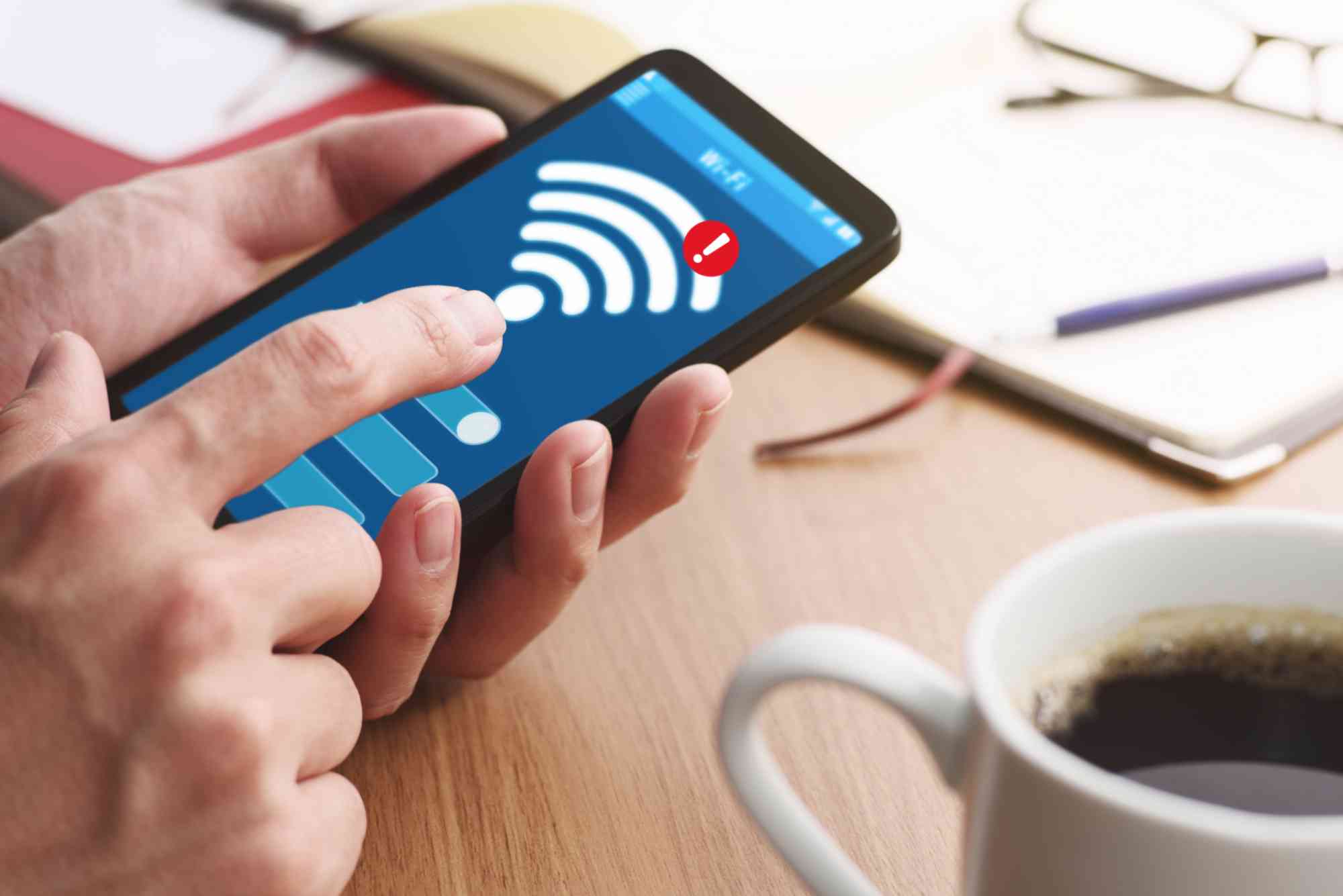
Devices may drop their connections randomly. This is common with Wi-Fi cameras or smart speakers.
Slow or Unresponsive Devices
Smart appliances may respond slowly, or their companion apps might show them as “offline” even when powered on.
Router or Network Alerts
Some routers display IP conflict warnings, making it easier to identify problematic devices.
How to Identify IP Conflicts
Use Your Router’s Admin Panel
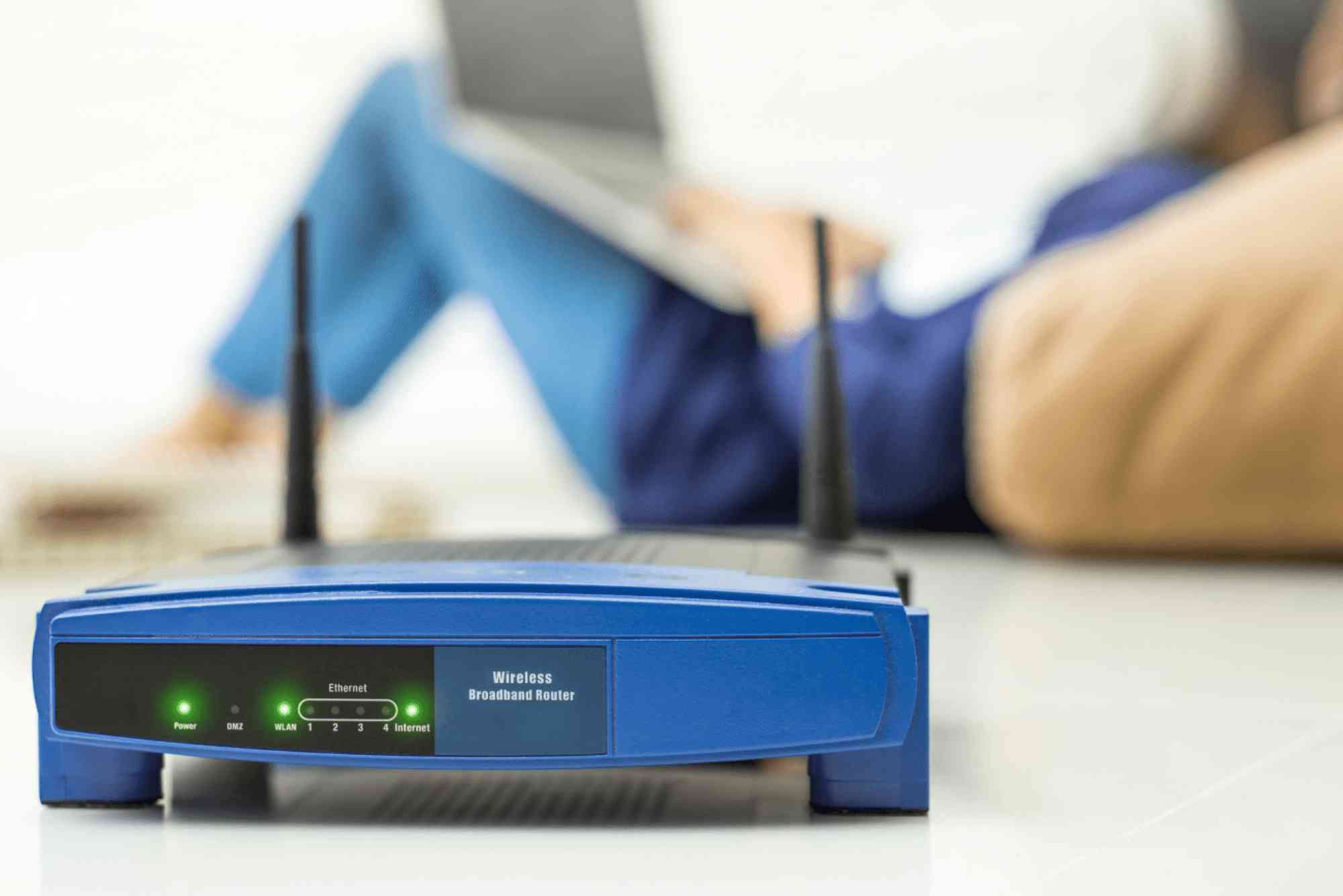
Most routers allow you to see connected devices and their IP addresses. Look for duplicates or conflicting entries.
Ping or Trace Devices on the Network
Using your computer’s command prompt or network tools, you can ping device IP addresses to check their availability.
Check IoT Device Settings
Some IoT devices display their assigned IP in their app or web interface. Compare these to your router’s IP allocation table.
Fixing IoT Device IP Conflict Issues
Restart Devices and Router
Often, simply restarting the router and affected devices can refresh IP assignments and resolve conflicts temporarily.
Enable DHCP Reservation
In your router settings, reserve a specific IP address for each IoT device. This ensures every device always gets the same, conflict-free address.
Assign Static IP Addresses
For critical devices like cameras or controllers, assign static IP addresses outside of your router’s DHCP range. This prevents overlapping IPs.
Update Firmware and Apps
Manufacturers frequently release firmware updates to fix bugs and improve DHCP compatibility. Check both your router and device apps for updates.
Expand Your Network
If your network hosts many IoT devices, consider adding another router or access point. This helps distribute IP assignments and reduces congestion.
Best Practices to Prevent Future IP Conflicts
Regularly Audit Connected Devices
Check your router’s device list at least once a month. Identify any unknown or duplicate IP addresses.
Use Strong Network Segmentation
Consider creating a dedicated IoT network separate from your main network. This reduces IP conflict risk and improves security.
Monitor for New Devices
Some IoT devices connect automatically after firmware updates. Always verify their IP assignments when adding or updating devices.
Security Considerations with IoT Networks
Securing your IoT network is as important as preventing IP conflicts. Unsecured devices can be exploited by attackers, especially if IP conflicts expose weaknesses. Use strong passwords, WPA3 encryption where possible, and disable unused services on your router.
Real-World Example: Smart Home IP Conflicts
Imagine a home with 50 IoT devices, including smart locks, thermostats, cameras, and lights. Without DHCP reservations, two smart locks receive the same IP address. The result: intermittent disconnections and failed remote access. By assigning static IPs and enabling DHCP reservations, the network becomes stable again.
FAQ: Fixing IoT Device IP Conflict Issues
Why do IoT devices keep disconnecting from my Wi-Fi?
Frequent disconnects often indicate IP conflicts or weak signal strength. Assigning static IPs and improving Wi-Fi coverage can solve the issue.
How can I find which device has an IP conflict?
Check your router’s device list for duplicates. You can also ping IP addresses to identify which devices respond.
Is it better to use DHCP or static IPs for IoT devices?
Using DHCP with reservations offers the best of both worlds. It keeps addresses stable while avoiding manual entry errors.
Will resetting my router fix IP conflicts?
A reset often resolves temporary IP conflicts. However, for long-term stability, assign static IPs or DHCP reservations.
For more reliable internet and IoT solutions, check out Dhanote Internet Services.
IoT device IP conflict issues can disrupt your network, waste time, and even compromise security. By learning how to identify and fix these conflicts, you can keep your smart devices running smoothly. Start by reserving IP addresses, updating firmware, and segmenting your network.