Introduction
If your smart home gadgets, wearables, or industrial sensors keep disconnecting from the network, you’re not alone. IoT connectivity drops randomly are one of the most common frustrations among users today. Whether you’re at home or managing an enterprise environment, unreliable connections can cripple the performance of your Internet of Things devices. Fortunately, there are practical steps you can take to restore stability and keep your IoT ecosystem running smoothly. In this guide, we’ll explain why these drops occur and how you can fix random connectivity drops on IoT devices effectively.
Why IoT Connectivity Drops Randomly
Connectivity issues with IoT devices stem from several technical and environmental factors. Common causes include weak Wi-Fi signals, overcrowded channels, outdated firmware, or interference from other wireless equipment. Additionally, some devices have energy-saving modes that throttle network usage, leading to periodic disconnections. By understanding the root causes, you can address the exact problem instead of trial-and-error fixes.
Network Congestion and Interference
Your Wi-Fi network shares bandwidth with multiple devices. Smart TVs, laptops, and smartphones all compete for limited wireless capacity. When network congestion peaks, IoT devices—especially low-power ones—often lose their connections first. Microwaves, cordless phones, and even neighboring networks can also interfere with the signal, making your devices more prone to random drops.
Outdated Firmware or Software
IoT devices rely on firmware updates for stability and security. If your devices haven’t been updated recently, they may struggle to maintain a steady connection. Manufacturers frequently release patches that fix connectivity issues, but many users neglect to install them.
Power-Saving and Sleep Modes
Some IoT devices enter low-power modes to conserve energy. While this is beneficial for battery life, it can disrupt continuous communication with your router or hub. The result: your device appears offline or disconnects unpredictably.
Poor Router Placement
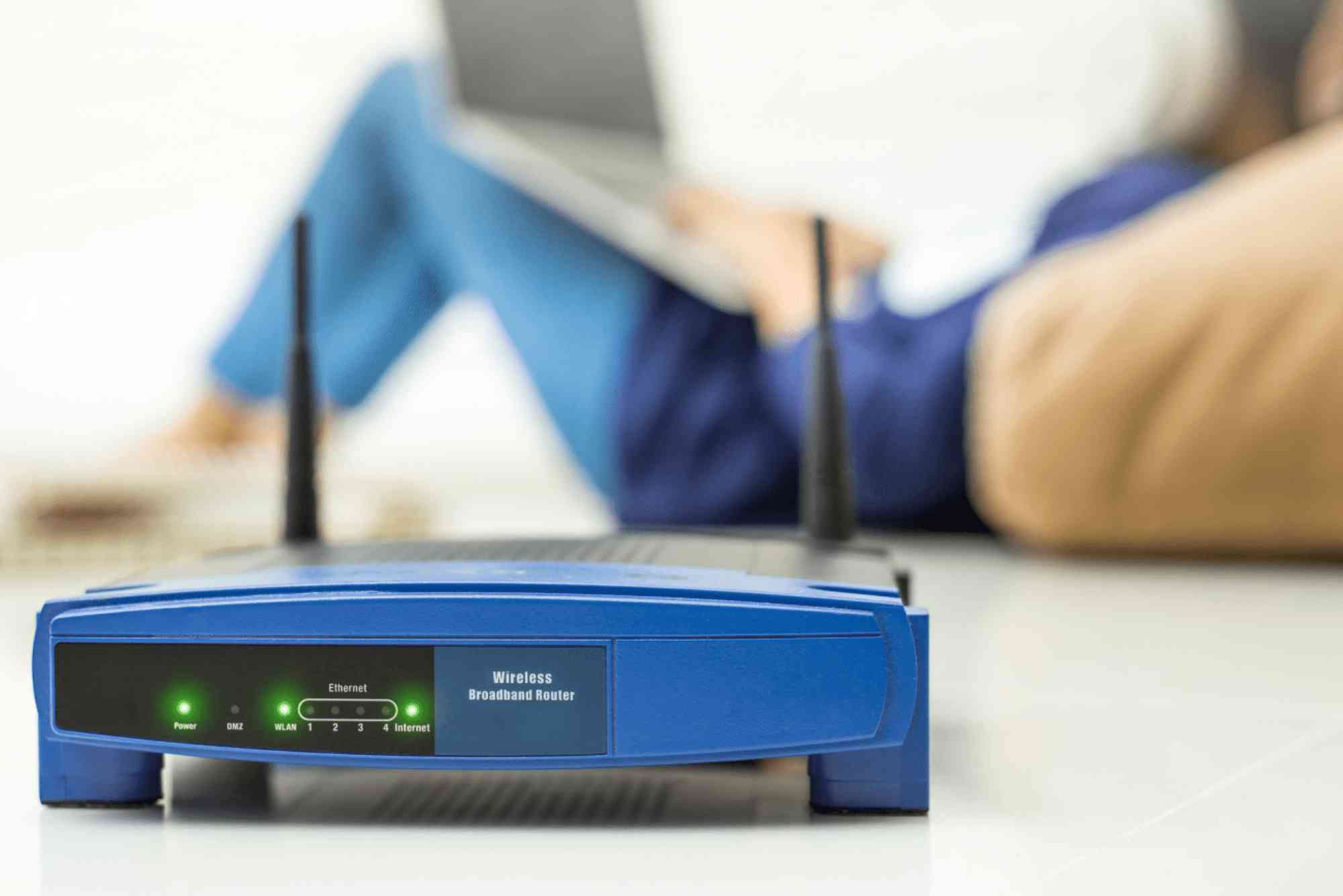
The physical location of your router significantly impacts IoT performance. Walls, floors, and other obstacles can block or weaken the Wi-Fi signal, creating dead spots. Devices placed far from the router are more vulnerable to random connectivity drops.
How to Fix Random Connectivity Drops on IoT Devices
Strengthen Your Wi-Fi Signal
Start by placing your router in a central location, ideally elevated and free from obstructions. Consider investing in a mesh Wi-Fi system if your space is large or multi-level. Mesh systems distribute signals more evenly, reducing dead zones that often trigger disconnections in IoT devices.
Use a Dedicated Network for IoT
Setting up a separate SSID specifically for IoT devices can reduce network congestion. By isolating IoT gadgets from your primary devices, you give them consistent bandwidth and improve their reliability. Many modern routers support guest networks or VLANs that work well for this purpose.
Keep Firmware Updated
Regularly check your IoT device manufacturer’s website or companion app for updates. Install patches as soon as they’re released. Updated firmware not only improves stability but also closes security vulnerabilities that hackers might exploit.
Minimize Interference
Move your router away from microwaves, cordless phones, and large metal objects. If your router supports it, switch from the crowded 2.4 GHz band to the less congested 5 GHz band. This transition can dramatically improve the consistency of your connections, especially for newer IoT devices.
Check Power Settings
Disable aggressive power-saving or sleep modes in device settings if possible. Maintaining a steady power supply ensures your IoT gadgets remain connected to the network. For battery-powered devices, consider higher-capacity batteries or wired power adapters to minimize interruptions.
Reboot and Reset Devices
Sometimes, a simple reboot of your router and IoT devices can resolve transient network glitches. If issues persist, performing a factory reset and reconfiguring the devices can eliminate corrupted settings causing connectivity drops.
Upgrade Your Router or Hub
Older routers may not handle modern IoT demands. If you’re using a router that’s more than five years old, consider upgrading to a newer model with advanced features like MU-MIMO and QoS prioritization. These features enhance simultaneous connections and prioritize IoT traffic.
Work with a Reliable Internet Provider
Even with optimal settings, poor internet service can cause recurring connectivity issues. Switching to a more stable service can drastically reduce random drops. Providers such as Dhanote Internet Services offer consistent bandwidth and low latency, making them ideal for IoT-heavy environments.
Advanced Troubleshooting Tips
Assign Static IP Addresses
Many IoT devices default to dynamic IP addresses, which can occasionally cause conflicts or connectivity lapses. Assigning static IPs ensures that each device maintains a consistent address, reducing the risk of disconnection.
Use Quality of Service (QoS) Settings
Enable QoS on your router to prioritize IoT traffic. By allocating guaranteed bandwidth, you prevent interruptions from bandwidth-hungry devices like streaming boxes or gaming consoles.
Implement Edge Computing
For industrial or enterprise IoT, consider deploying edge computing. Processing data locally reduces the dependency on constant cloud connectivity, making your IoT system more resilient to network fluctuations.
Secure Your Network
A compromised network can result in devices being disconnected as part of security measures or attacks. Use strong passwords, enable WPA3 encryption if possible, and disable unnecessary ports or services.
FAQs About Fixing Random Connectivity Drops on IoT Devices
Why do my IoT devices keep disconnecting?
IoT devices often disconnect due to weak Wi-Fi signals, interference, outdated firmware, or aggressive power-saving modes. Fixing these factors usually resolves the problem.
How can I make my IoT network more stable?
Improve stability by upgrading your router, using a dedicated IoT network, updating firmware, and minimizing interference from other devices.
Do IoT devices work better on 2.4 GHz or 5 GHz?
Most IoT devices use 2.4 GHz because it has better range. However, if your device supports 5 GHz and is close to the router, switching can improve speed and reliability.
Should I use static IP addresses for IoT devices?
Yes, assigning static IP addresses can reduce conflicts and improve connectivity consistency across your IoT network.
What internet speed is good for IoT devices?
IoT devices typically require low bandwidth individually but can add up across a network. A stable connection with at least 25 Mbps for multiple devices is recommended.
Can a bad router cause random connectivity drops?
Absolutely. Older or low-quality routers can’t manage multiple connections efficiently. Upgrading your router often resolves frequent disconnections.
Random IoT connectivity drops can be frustrating, but they’re not insurmountable. By understanding the causes—ranging from network congestion to outdated firmware—you can take targeted steps to restore reliability. Strengthening your Wi-Fi signal, isolating IoT networks, updating firmware, and choosing a reputable internet provider like Dhanote Internet Services can all make a measurable difference.