Introduction
Keeping your home network safe and reliable depends on more than just having a strong internet plan. One often-overlooked task is firmware updates. Many people set up their Wi-Fi range extender once and never think about it again. Yet, learning how to update Wi-Fi range extender firmware is crucial for maintaining speed, security, and compatibility with your devices.
Firmware is the built-in software that controls how your extender functions. Like the operating system on your computer, it requires updates to patch vulnerabilities, improve performance, and support new features. Neglecting this step can leave your network open to cyberattacks or lead to poor performance.
This guide walks you through the complete process of updating extender firmware, explains why it matters, and provides practical troubleshooting tips if things don’t go as planned.
Why Updating Wi-Fi Range Extender Firmware Matters
Before diving into the process, it’s important to understand why this task is worth your attention. Firmware updates are not just technical maintenance—they directly affect your internet experience.
Security Enhancements
Hackers constantly look for loopholes in outdated devices. Manufacturers release updates to fix these weaknesses. Without them, your extender becomes an easy target.
Improved Speed and Stability
An extender running on old firmware may disconnect randomly or slow down traffic. Updates refine algorithms that manage signals, ensuring smoother streaming and gaming.
Compatibility with New Devices
Technology evolves rapidly. Updates ensure your extender works with the latest smartphones, smart TVs, or laptops without conflicts.
Bug Fixes and Feature Upgrades
Sometimes, extenders may have issues like incorrect password recognition or limited coverage. Updates resolve such bugs and even introduce new features to enhance performance.
Preparation Before Updating
Updating firmware is straightforward, but preparation ensures the process goes smoothly.
Check the Current Firmware Version
Log in to your extender’s admin dashboard. Look for “Firmware Version” under device information. Note it down to compare with the latest release.
Confirm Internet Connection
Make sure your extender is connected to a stable network during the update. Interruptions can corrupt the process.
Use a Wired Connection if Possible
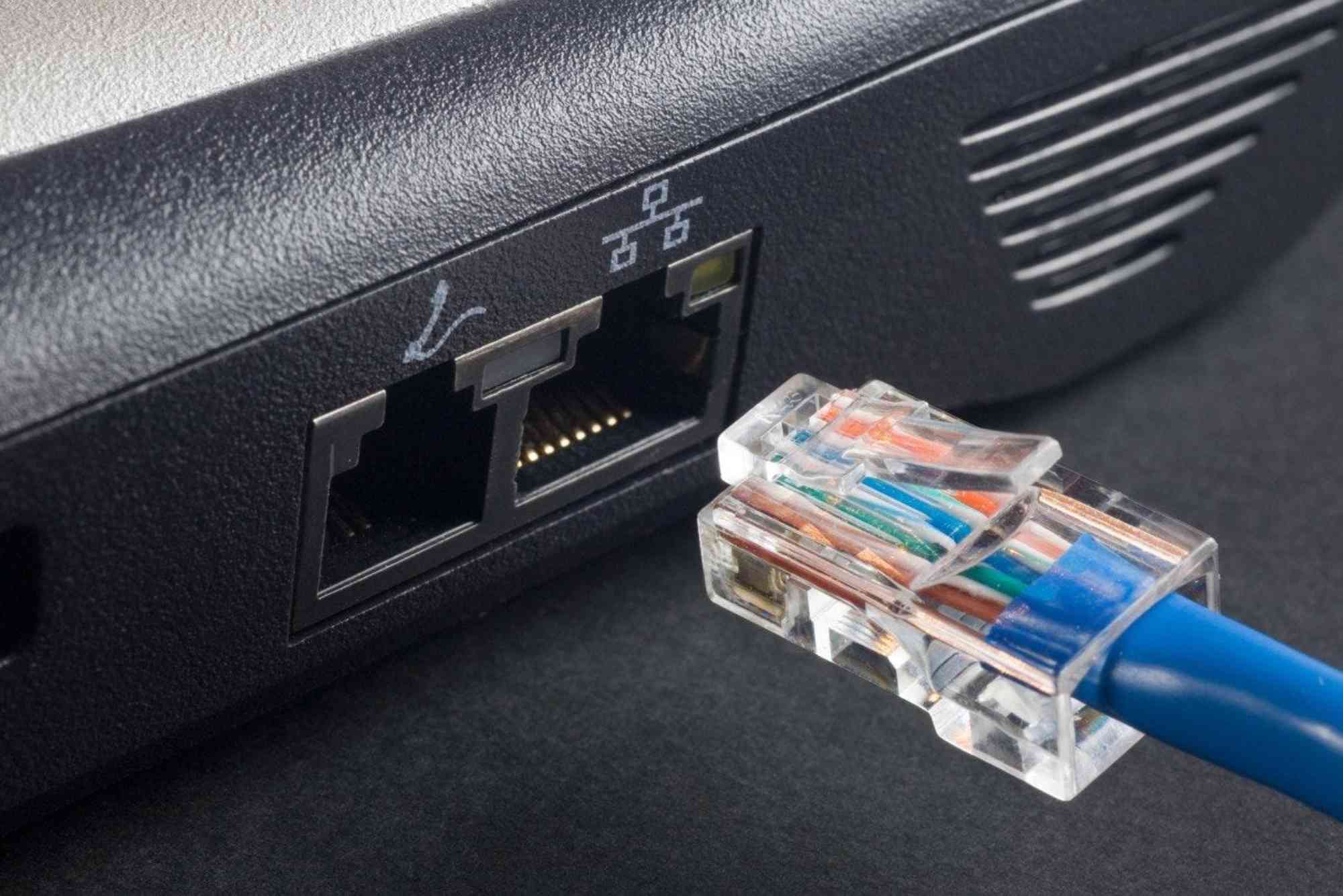
If your extender has an Ethernet port, connect it to your PC with a cable. This reduces the chance of disconnection during the update.
Visit the Manufacturer’s Website
Every brand—Netgear, TP-Link, Linksys, D-Link—hosts official firmware files. Download them only from the official site to avoid malware risks.
Step-by-Step Guide: How to Update Wi-Fi Range Extender Firmware
The update process can vary slightly between brands, but the core steps remain the same.
Log In to Your Extender’s Admin Panel
Open a web browser and type your extender’s IP address (commonly 192.168.0.1 or 192.168.1.1). Log in using your admin username and password. If you forgot them, check the manual or reset the extender.
Navigate to the Firmware Section
In the dashboard menu, look for options like “Maintenance,” “System Tools,” or “Firmware Upgrade.” Different brands may use different wording.
Compare Firmware Versions
The panel usually shows the current version. Compare it with the one listed on the manufacturer’s site. If a newer version exists, download it to your computer.
Upload the Firmware File
Click “Browse” or “Choose File” in the upgrade section. Select the file you downloaded, then hit “Update” or “Upgrade.”
Wait for the Installation
The extender will reboot during this process. Do not unplug it or close your browser. Wait patiently—it may take several minutes.
Verify the Update
Once the extender restarts, log back in and check the firmware version. It should now display the latest release.
Common Problems and Solutions During Firmware Updates
Even with careful preparation, you may encounter obstacles. Here’s how to handle them.
Extender Not Responding After Update
Sometimes the extender may freeze. Perform a factory reset by pressing the reset button for 10 seconds. Reconfigure the extender, then try the update again.
Update Fails Midway
If the update stops halfway, switch to a wired connection and reattempt. Avoid using Wi-Fi for critical updates whenever possible.
Wrong Firmware File
Using firmware meant for another model can brick the device. Double-check the model number before downloading. If you made this mistake, you may need manufacturer support to recover.
Browser Compatibility Issues
Some admin dashboards work poorly with certain browsers. If the update option doesn’t load, try switching from Chrome to Firefox or Edge.
Best Practices for Future Updates
To avoid issues, make firmware updating a habit.
-
Schedule checks every three to six months.
-
Enable automatic notifications if your brand supports it.
-
Always back up your extender settings before applying updates.
By following these practices, you keep your network running smoothly without unexpected downtime.
Benefits Beyond Updates
Updating your extender regularly is one piece of the puzzle. Pair it with quality internet service for the best results. Reliable providers, such as Dhanote Internet Services, ensure consistent bandwidth, making your extender’s performance even better. Choosing a trusted provider and maintaining your devices go hand in hand.
Frequently Asked Questions
How do I check if my Wi-Fi range extender needs a firmware update?
Log in to the admin panel and check the current firmware version. Compare it with the manufacturer’s latest version on their official website.
Can I update my Wi-Fi extender firmware using my phone?
Yes, most extenders allow mobile access via browser or companion apps. However, using a computer with a wired connection is safer.
What happens if I don’t update the firmware on my Wi-Fi range extender?
Without updates, your extender may face security risks, compatibility issues, and slower performance. Regular updates keep it reliable.
How long does a firmware update take on a Wi-Fi extender?
Usually, the process takes 3 to 10 minutes. During this time, avoid disconnecting the device or closing the browser.
Can updating firmware improve Wi-Fi speed?
Yes, updates often fix bugs and enhance signal processing. This results in faster, more stable internet connections.
Knowing how to update Wi-Fi range extender firmware empowers you to maintain a reliable and safe internet experience. While the steps may feel technical at first, they become second nature once you’ve done them. Regular updates prevent vulnerabilities, improve performance, and ensure compatibility with your growing list of devices.
Don’t wait until you face connection drops or cyber threats. Take a few minutes every few months to check for updates. Pair these efforts with a dependable internet provider like Dhanote Internet Services to unlock the full potential of your Wi-Fi setup.