Troubleshooting Common Mesh Wi-Fi Issues
A stable internet connection is vital for work, streaming, and smart home devices. Many households now rely on mesh Wi-Fi systems to eliminate dead zones and ensure smooth connectivity. But even the best systems face challenges. Knowing how to troubleshoot mesh Wi-Fi can save you time, money, and endless frustration. This guide walks you through common issues, fixes, and best practices for maintaining a reliable network.
Why Mesh Wi-Fi Faces Issues
Mesh Wi-Fi creates a network of nodes that work together to deliver strong coverage. However, problems can arise due to interference, outdated firmware, improper placement, or device overload. Understanding the root cause is the first step in learning how to troubleshoot mesh Wi-Fi effectively.
Step-by-Step Guide: How to Troubleshoot Mesh Wi-Fi
Check Node Placement
Incorrect node placement is one of the most common reasons for weak signals.
-
Keep nodes in open areas, not behind furniture.
-
Place them halfway between the main router and dead zones.
-
Avoid walls, metal objects, or microwaves that disrupt signals.
Restart the System
Sometimes, the easiest solution is the most effective. Restarting nodes clears temporary glitches. Unplug the main router and satellites for 30 seconds before turning them back on.
Update Firmware
Outdated firmware often causes performance drops. Log into your mesh Wi-Fi app and check for updates. Many updates improve stability, add features, and fix bugs.
Check Internet Speed from Source
If your internet provider is experiencing issues, no mesh system can fix it. Connect a device directly to the modem to check speed. If it’s slow, contact your ISP.
Limit Device Overload
Too many devices connected at once can slow down the network. Modern mesh systems support dozens of devices, but bandwidth still matters. Disconnect unused devices or prioritize essential ones in your settings.
Change Wi-Fi Channels
Interference from neighbors’ Wi-Fi can impact performance. Use your mesh app or admin panel to switch channels. A less congested channel improves speed and stability.
Use Ethernet Backhaul
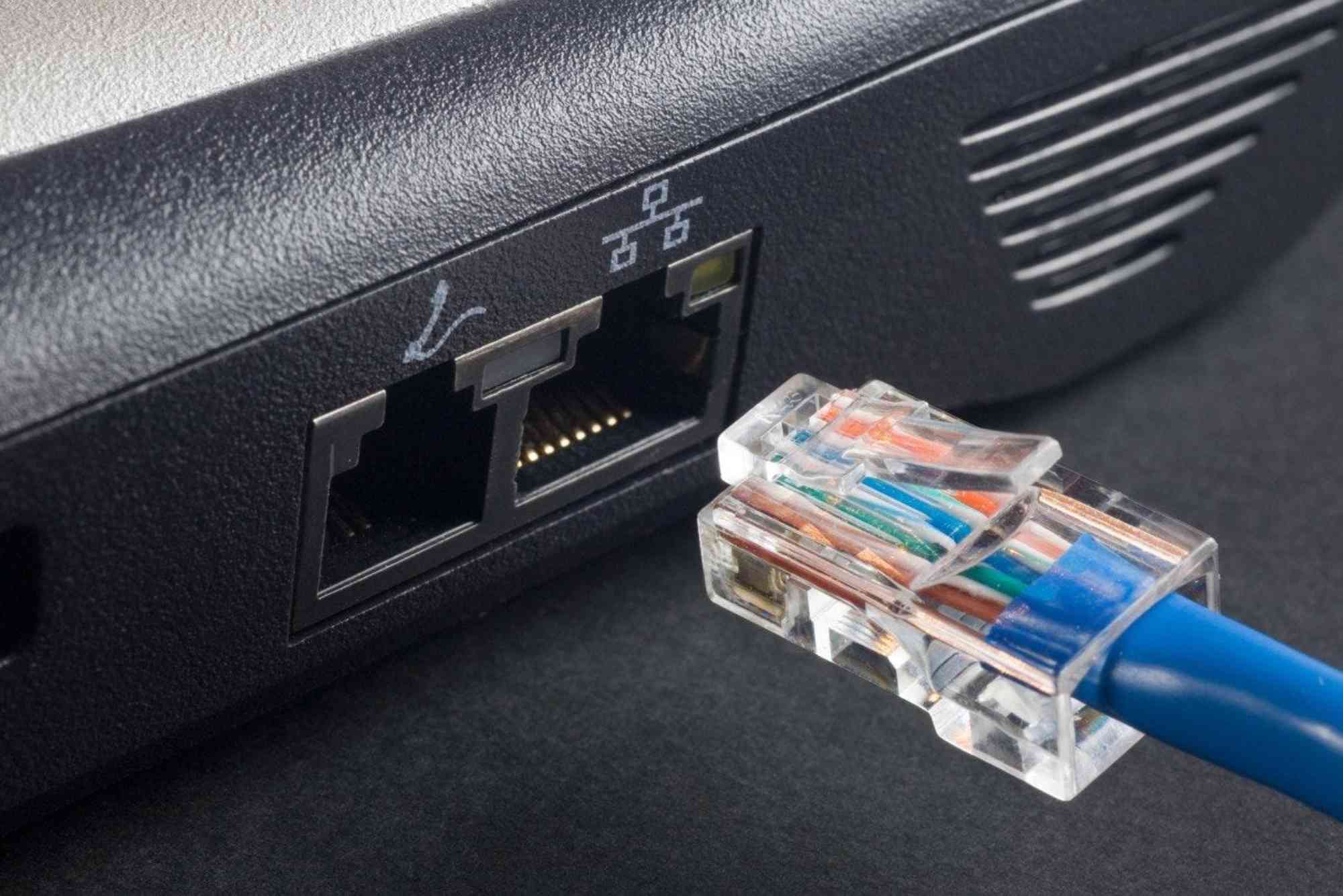
If your home is large or has thick walls, use an Ethernet backhaul to connect mesh nodes. Wired connections stabilize the network and reduce latency.
Common Mesh Wi-Fi Issues and Fixes
Slow Internet Despite Strong Signal
-
Check if bandwidth-hungry apps (like 4K streaming) are running.
-
Run a speed test via the mesh app.
-
Reboot the modem and router.
Connection Drops Frequently
-
Relocate the nodes closer together.
-
Update firmware and reset network settings.
-
Ensure no nearby devices (cordless phones, baby monitors) interfere with Wi-Fi.
Dead Zones Still Exist
-
Add more nodes for better coverage.
-
Adjust antenna settings if available.
-
Try a wired backhaul for distant rooms.
App Cannot Detect Nodes
-
Reset the problematic node.
-
Ensure Bluetooth is enabled if required for setup.
-
Check power connections and cables.
Advanced Troubleshooting Tips
Factory Reset the Mesh System
If issues persist, perform a factory reset. This clears all configurations and restores default settings. Reconfigure step by step to ensure proper setup.
Use QoS (Quality of Service) Settings
Enable QoS to prioritize gaming, streaming, or work applications. This reduces lag and ensures critical devices get the best bandwidth.
Separate 2.4GHz and 5GHz Bands
Some devices connect poorly when both bands use the same SSID. Manually separate them to improve compatibility.
Consider ISP Issues
Before replacing your system, verify that your provider isn’t experiencing outages or throttling. Switching plans or providers may be the ultimate solution.
Pro Tips for a Healthier Mesh Network
-
Keep firmware updated regularly.
-
Reboot the system once every few weeks.
-
Place nodes strategically in open areas.
-
Use Dhanote Internet Services for reliable, high-speed connections.
FAQs About How to Troubleshoot Mesh Wi-Fi
Why is my mesh Wi-Fi slow?
Your mesh Wi-Fi may slow down due to interference, overloaded devices, or outdated firmware. Adjust node placement and update software for better speed.
How do I reset my mesh Wi-Fi system?
Most systems have a reset button on the nodes. Hold it for 10–30 seconds until the LED blinks, then reconfigure using the mobile app.
Can mesh Wi-Fi completely eliminate dead zones?
Yes, if placed correctly and supported with enough nodes. Large homes may require Ethernet backhaul for consistent performance.
Why does my mesh Wi-Fi keep disconnecting?
Frequent disconnections can result from interference, outdated firmware, or weak node placement. Try repositioning nodes and checking for updates.
Is Ethernet better than wireless for mesh systems?
Yes, using Ethernet backhaul improves speed and reduces lag. Wireless connections are flexible, but wired options are more stable.
Knowing how to troubleshoot mesh Wi-Fi ensures a smooth online experience for work, gaming, and streaming. From checking node placement to updating firmware, most fixes are simple and effective. If problems persist, advanced options like Ethernet backhaul or factory resets can help.
Don’t let poor connectivity slow you down. Keep your mesh system optimized and pair it with a trusted internet provider like Dhanote Internet Services for seamless browsing and streaming.