Introduction
Setting up a mesh Wi-Fi system is often advertised as quick and app-driven, but what if you prefer or need another method? Many users want to avoid installing extra applications, or they might have compatibility issues with their phone. In such cases, learning mesh Wi-Fi setup without app tools can be a lifesaver. Fortunately, most mesh systems include an alternative way of configuration through web browsers and manual settings. By understanding these steps, you can create a strong home or office network without relying on mobile apps.
Why Setup Mesh Wi-Fi Without an App?
Some people assume mobile apps are the only way to manage mesh Wi-Fi. However, there are valid reasons for skipping the app-based route. Older smartphones may not support the required app, or some users prefer desktop configuration for better visibility. Corporate networks often limit app installations, making manual setup the only option. Security-conscious users may also prefer avoiding apps that collect diagnostic data. By using mesh Wi-Fi setup without app reliance, you retain control, minimize unnecessary software, and achieve the same connectivity.
Preparing for Manual Mesh Wi-Fi Setup
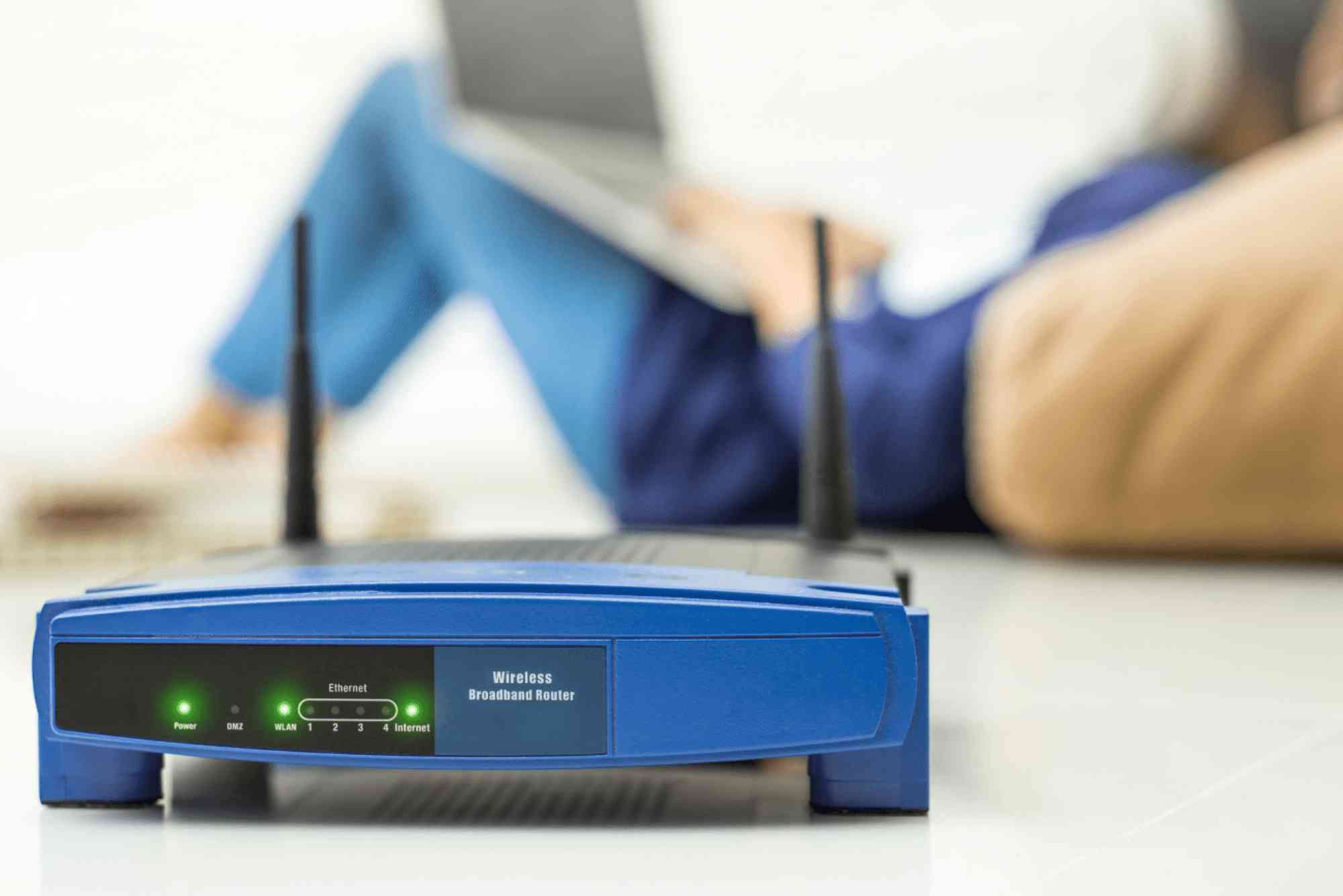
Before starting, ensure you have all essential components. You need the primary mesh router, satellite nodes, Ethernet cables, and your modem. Confirm the modem is working and connected to the internet. Have your computer or laptop ready, since you will access the web interface through a browser. The default IP address and login credentials for your mesh system are usually printed on the device or in the user manual. Having this information in advance prevents delays during the setup.
Accessing the Mesh Router’s Web Interface
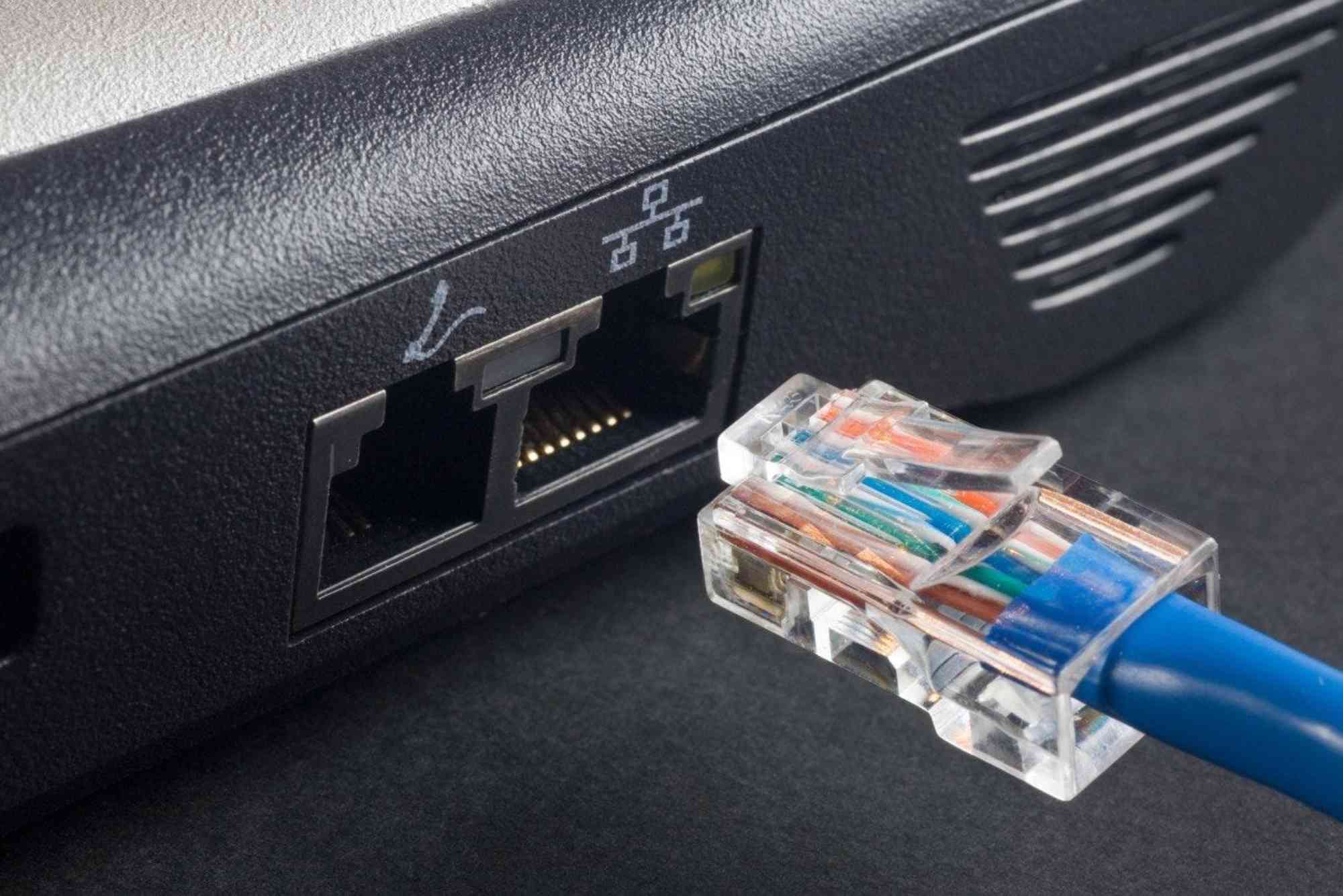
The core step in mesh Wi-Fi setup without app support is logging into the web interface. Connect your computer to the router using an Ethernet cable to guarantee stability during initial configuration. Open a browser and type the IP address, commonly 192.168.0.1 or 192.168.1.1. Enter the default username and password provided by the manufacturer. Once inside, you can start adjusting network settings, adding mesh nodes, and managing the internet connection directly. This method is consistent across most brands, even if the interface design differs.
Configuring the Internet Connection
The first configuration step is setting up the WAN or internet connection. Navigate to the internet setup page in the web interface. Select whether you are using Dynamic IP, Static IP, or PPPoE, depending on your internet provider. Many providers use Dynamic IP, which requires no manual input. For Static IP, enter the addresses provided by your ISP. For PPPoE, enter the username and password. Save the settings and test the connection. Once confirmed, the mesh router will start providing internet access to your devices.
Setting Up Wi-Fi SSID and Password
Once the internet is active, move on to wireless configuration. This involves naming your Wi-Fi network, known as SSID, and setting a secure password. Use a name that is easy to recognize but not personally identifying. Choose WPA2 or WPA3 encryption for maximum security. Avoid default or weak passwords, since mesh Wi-Fi networks usually cover large areas and are more visible. With this step, your primary mesh router becomes ready to manage satellite nodes.
Adding Mesh Nodes Without an App
A major concern for users is adding satellite nodes without using an app. Fortunately, most mesh devices support a button-based synchronization method. Place the satellite node in a suitable location, plug it in, and press the sync or pair button. Do the same on the main router. The devices will automatically connect and extend coverage. Some systems allow manual addition through the web interface, where you input the node’s MAC address. Both methods provide reliable connectivity without requiring a smartphone application.
Optimizing Node Placement
Placement of mesh nodes determines performance. To optimize without app assistance, rely on physical observation and connectivity tests. Place nodes within a reasonable distance of the main router so they can communicate effectively, but not too close, as that wastes coverage. If you notice signal drops in specific rooms, reposition the nodes slightly. Testing speed through your laptop or a network diagnostic tool confirms whether placement is ideal. Patience during this process ensures a smooth and stable network.
Managing Advanced Settings
Mesh Wi-Fi setup without app reliance also opens the door for advanced customization. Through the web interface, you can enable guest networks, parental controls, and Quality of Service (QoS). Guest networks allow visitors to connect without accessing private devices. QoS helps prioritize bandwidth for gaming, streaming, or work calls. Advanced users may also set up static routes, port forwarding, or firewall rules. These features make manual setup powerful, as you are not limited to the simplified options found in apps.
Troubleshooting Common Issues
Even when carefully following steps, issues may arise. If a node fails to connect, reset it and repeat the pairing process. If your computer cannot access the router interface, double-check the Ethernet connection and IP address. Clearing browser cache sometimes resolves login issues. For internet problems, confirm your ISP settings are correct. In extreme cases, factory reset the mesh system and restart configuration. These manual troubleshooting methods save time and prevent unnecessary reliance on customer support.
Advantages of Browser-Based Configuration
The greatest benefit of mesh Wi-Fi setup without app assistance is control. You can configure every detail on a larger screen, making adjustments clearer and more precise. There is no dependency on app updates, phone compatibility, or permissions. Privacy is improved, since you avoid granting apps access to location and usage data. Furthermore, advanced features are sometimes hidden in apps but fully available in browser settings. For IT professionals and cautious users alike, this method provides peace of mind.
Security Considerations
Skipping apps does not mean skipping security. Update the firmware of your mesh devices regularly through the web interface. Strong passwords and modern encryption protect against unauthorized access. Disable remote management unless necessary, as it creates potential vulnerabilities. Monitor connected devices in the interface and remove unknown ones. By keeping firmware current and practicing safe configurations, your manually set up mesh Wi-Fi remains secure and dependable.
Real-World Use Cases
Consider a small business with multiple employees. App-based setup may not be practical for centralized IT management. By configuring the mesh Wi-Fi manually, administrators can fine-tune bandwidth allocation and apply security measures. Another example is rural households with weak mobile networks. Accessing the mesh system via desktop ensures configuration without depending on phone signal or app availability. Even tech-savvy homeowners often prefer the full visibility and detailed control that manual setup provides.
Mesh Wi-Fi setup without app dependency is not only possible but also practical for many users. With the right preparation, you can configure your network through a browser, manage internet settings, add nodes, and secure your connection effectively. This approach offers better visibility, greater control, and enhanced privacy. Whether you are an IT professional, a cautious homeowner, or someone with an incompatible smartphone, manual configuration ensures your network works reliably. If you are searching for high-quality connectivity services to complement your mesh network, explore Dhanote Internet Services for dependable solutions tailored to your needs.
FAQs
How do I set up mesh Wi-Fi without the app?
Connect your computer via Ethernet, access the router’s IP address through a browser, configure internet settings, and sync nodes manually.
Can I add mesh nodes without using a smartphone?
Yes, most mesh systems include physical sync buttons or allow node registration through the web interface.
Is app-free mesh setup less secure?
No, security depends on your chosen passwords, encryption, and firmware updates, not the setup method.
What if I cannot find the router’s IP address?
Check the label on the device, consult the manual, or run the “ipconfig” command on Windows to locate the gateway.
Do all mesh systems allow setup without an app?
Not all, but many leading brands provide web interface access. Always check product specifications before purchasing.