How to Setup a Mesh Wi-Fi System for Whole Home Coverage
A strong, stable internet connection is essential in modern homes. Traditional routers often struggle with dead zones and inconsistent signals, especially in larger houses. That’s where mesh Wi-Fi technology steps in. If you’re wondering how to setup mesh Wi-Fi system for whole-home coverage, this detailed guide will walk you through everything you need to know.
What is a Mesh Wi-Fi System?
A mesh Wi-Fi system uses multiple devices, called nodes or satellites, to provide seamless wireless coverage across your home. Unlike a single router, which broadcasts signals from one point, mesh systems spread the connection evenly. This eliminates dead spots and ensures stable internet in every corner.
Key Benefits of Mesh Wi-Fi
-
Whole-home coverage without signal drop-offs.
-
Easy setup with mobile apps.
-
Scalability by adding extra nodes.
-
Smart roaming so devices switch automatically to the strongest signal.
According to PCMag, mesh networks are ideal for homes over 2,000 square feet or with multiple floors.
How to Setup Mesh Wi-Fi System Step by Step
Setting up a mesh Wi-Fi system may sound complex, but it’s surprisingly simple. Most brands provide app-based installation guides. Here’s a breakdown of the process.
Choose the Right Mesh Wi-Fi System
Not all mesh systems are the same. Popular options include Google Nest WiFi, TP-Link Deco, Eero, and Netgear Orbi. When choosing, consider:
-
Coverage area: Match the system with your home size.
-
Speed: Check if it supports your internet plan.
-
Features: Look for parental controls, guest networks, and device management.
Prepare Your Modem and Router
Before installation:
-
Disconnect your old router if replacing it.
-
Keep your modem ready for connection.
-
Ensure you have your ISP login details if required.
Place the Primary Mesh Node
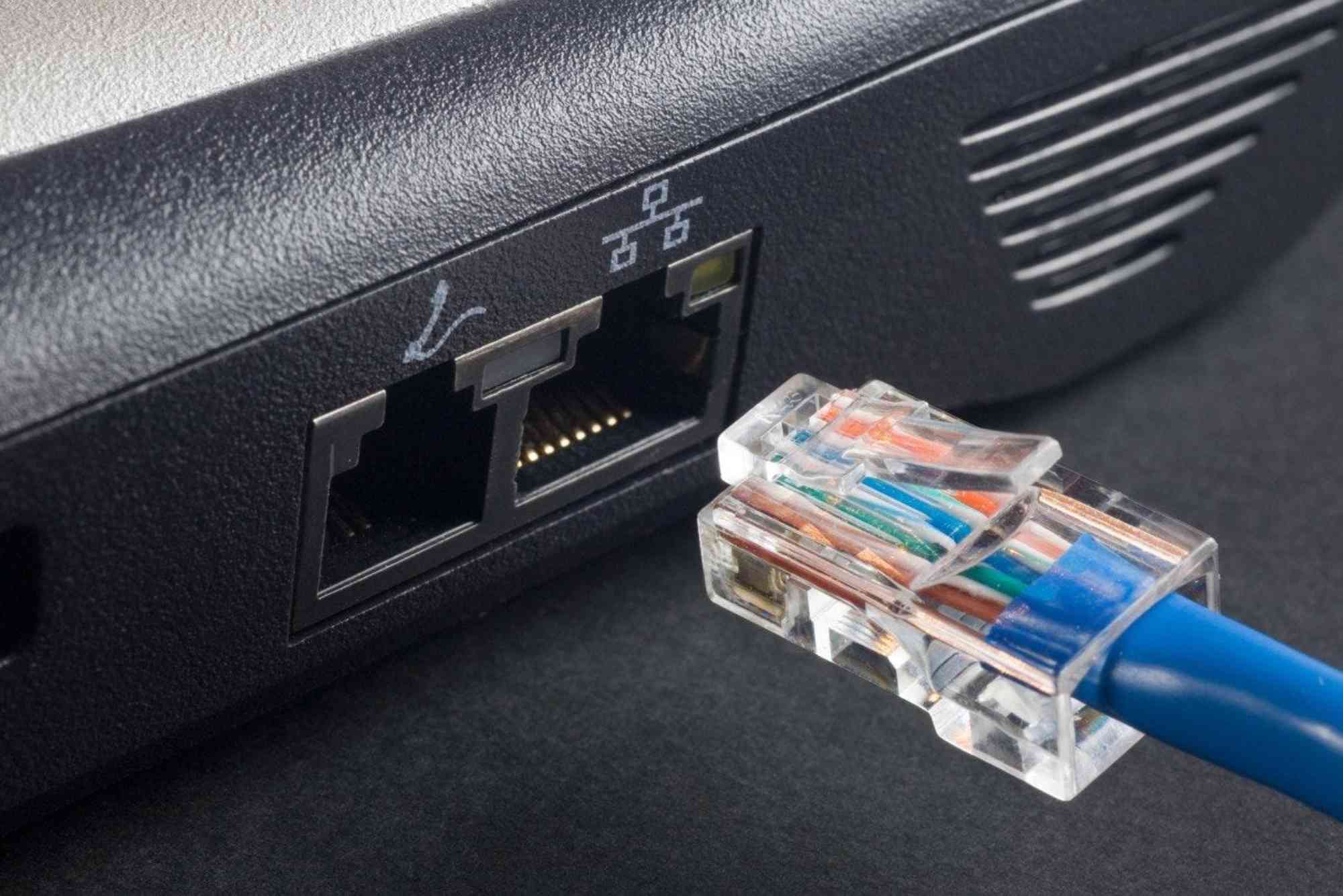
Connect the primary node (main router) to your modem using an Ethernet cable. Place it centrally in your home if possible, avoiding corners or closed cabinets.
Install and Use the Mobile App
Most mesh Wi-Fi systems require an app for setup. Download the brand-specific app, follow the prompts, and create an account. The app will guide you through connection and configuration.
Add Additional Mesh Nodes
Distribute nodes throughout your home:
-
Place one on each floor.
-
Avoid putting them near thick walls or appliances.
-
Ensure each node has a clear path to the primary router.
The app will usually test node placement and suggest adjustments.
Customize Your Network Settings
Once connected, set your Wi-Fi name (SSID) and password. Many mesh systems also allow you to:
-
Enable guest networks.
-
Set parental controls.
-
Manage connected devices.
Test and Optimize Coverage
Use the app to check signal strength in different areas of your home. If you notice weak spots, move the nearest node slightly closer to the primary unit.
Tips for Optimizing Your Mesh Wi-Fi System
Even after setup, a few tweaks can improve performance.
Ideal Placement
-
Keep nodes in open spaces.
-
Avoid microwaves, metal objects, and thick concrete walls.
-
Position nodes at waist height for better signal spread.
Regular Updates
Ensure firmware is always up to date. Updates improve performance and security.
Device Prioritization
Many mesh systems let you prioritize devices for streaming or gaming. This ensures smooth performance during high usage.
Expand When Needed
If you move into a larger home or add new devices, simply add more nodes to your system.
Common Problems and Solutions
Wi-Fi Still Slow?
-
Reboot your modem and primary mesh router.
-
Check for interference from nearby networks.
-
Upgrade to a system that supports Wi-Fi 6 if you have many devices.
Node Won’t Connect?
-
Move it closer to the main router.
-
Reset the node and reconnect via the app.
Devices Not Switching Automatically?
-
Enable roaming features in the app.
-
Ensure devices support 802.11k/v/r standards for seamless transitions.
FAQs About How to Setup Mesh Wi-Fi System
What is the difference between a mesh Wi-Fi system and a traditional router?
A traditional router broadcasts from one point, while a mesh system uses multiple nodes to spread the signal evenly.
Do I need to replace my existing router?
Yes, in most cases, the primary mesh node replaces your router. Some systems can work alongside your old router in bridge mode.
How many mesh nodes do I need?
For small apartments, 2 nodes are enough. For larger homes, 3–5 nodes provide stronger coverage.
Can I use different brands of mesh Wi-Fi together?
No, mesh systems work best when all nodes are from the same brand and model line.
Does mesh Wi-Fi slow down the internet?
No, it often improves performance by eliminating dead zones. However, placement and system quality matter.
Enjoy Whole-Home Coverage
Now you know exactly how to setup mesh Wi-Fi system for reliable coverage throughout your home. With the right placement, proper configuration, and ongoing optimization, you’ll enjoy faster speeds and stronger connectivity everywhere.
If you’re looking for dependable internet solutions, check out Dhanote Internet Services for high-quality plans that work perfectly with mesh Wi-Fi systems.
Ready to say goodbye to Wi-Fi dead zones? Get started today by setting up your mesh Wi-Fi system and enjoy seamless whole-home coverage.