How to Fix Wi-Fi Adapter Not Working on Windows
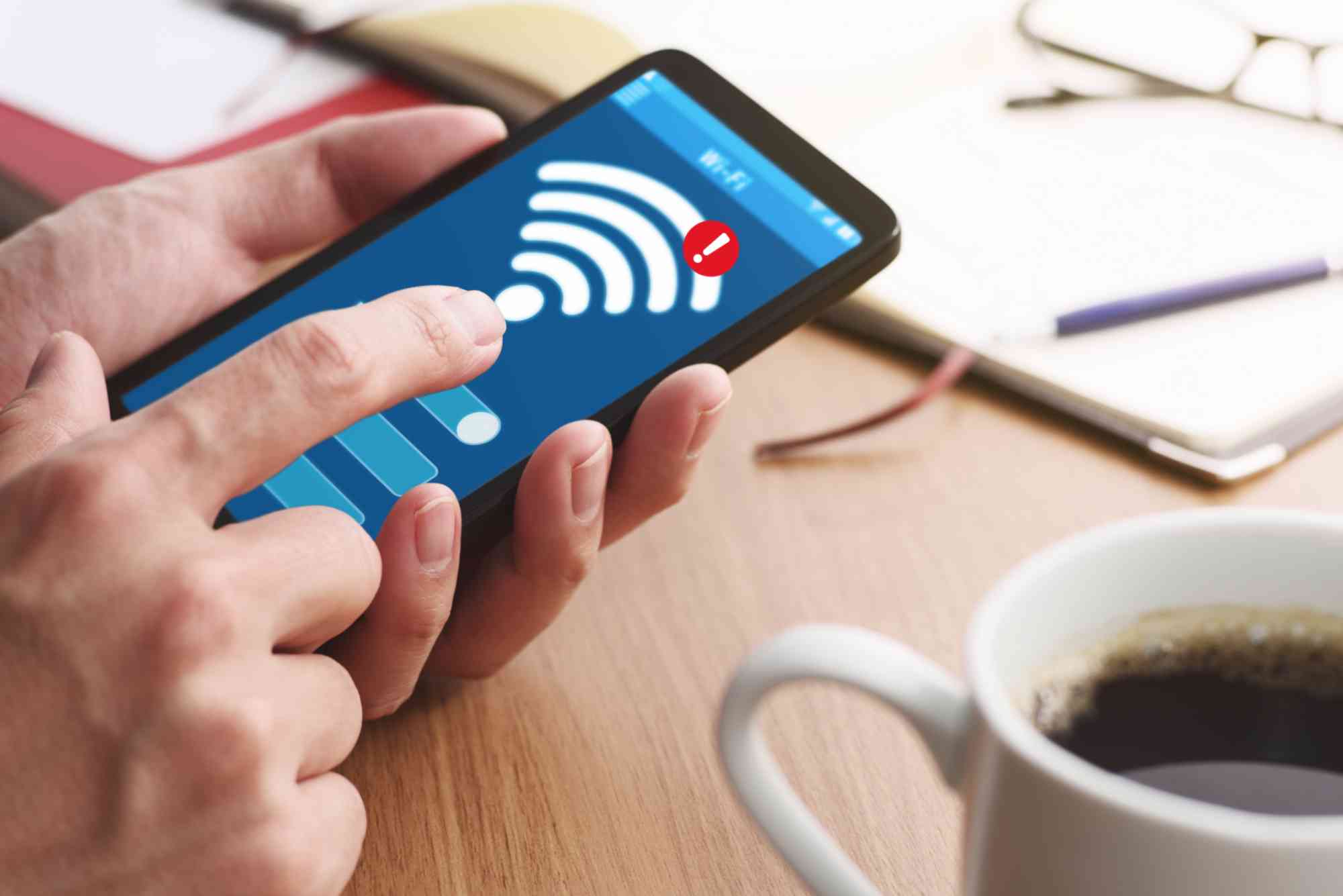
A malfunctioning Wi-Fi adapter can be frustrating. When your Windows device cannot connect to Wi-Fi, your productivity and online activities suffer. Understanding how to fix Wi-Fi adapter not working is essential for both beginners and tech-savvy users. In this guide, we’ll walk you through practical solutions to resolve this issue and restore your internet connection.
Common Causes of Wi-Fi Adapter Issues
Before diving into solutions, it’s important to identify why your Wi-Fi adapter may not be working.
Driver Problems
Outdated or corrupted drivers are the leading cause of adapter issues. Drivers enable your Windows system to communicate with hardware efficiently.
Disabled Adapter
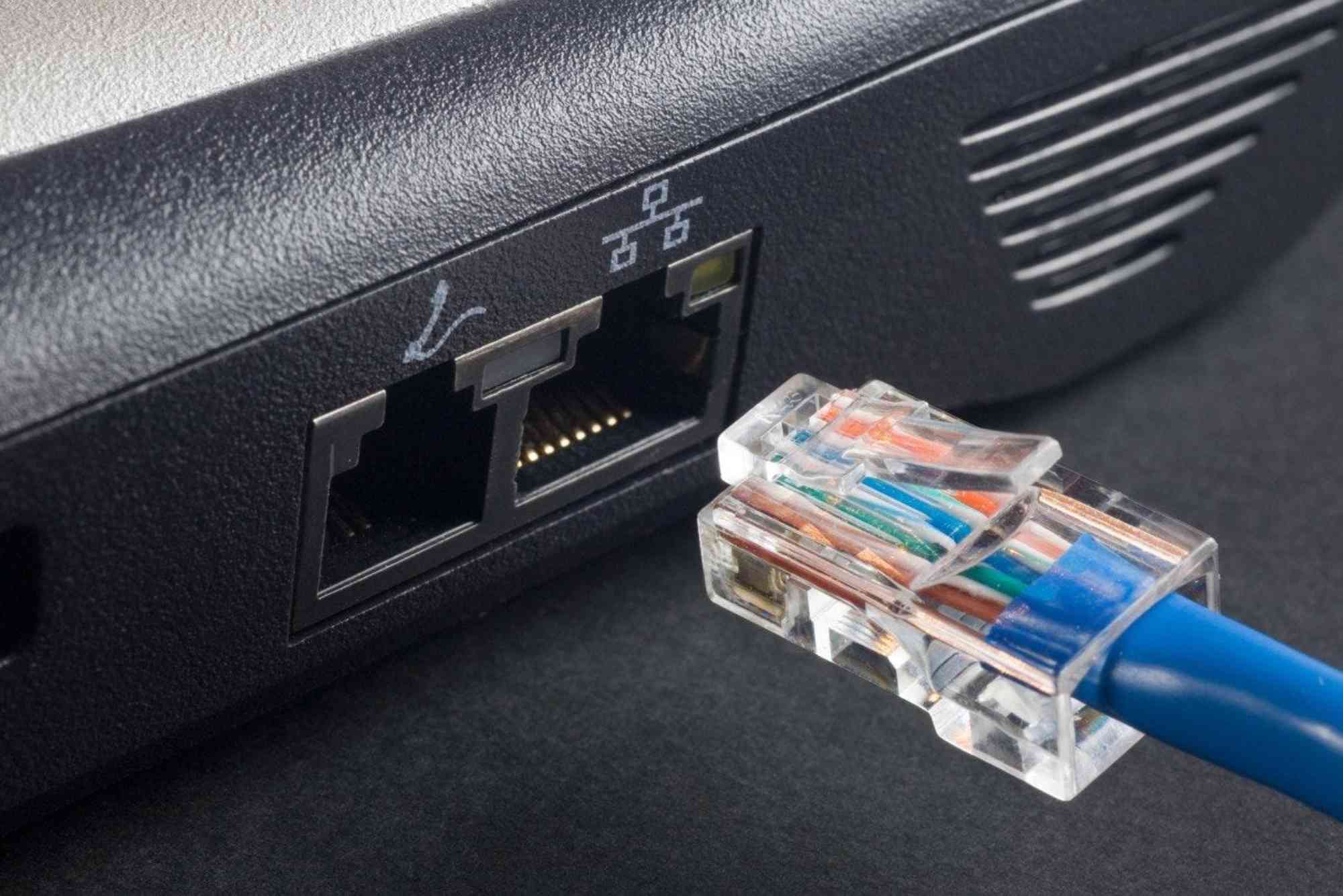
Sometimes, the Wi-Fi adapter is simply disabled in the network settings or through a physical switch on the device.
Network Settings Conflicts
Incorrect network settings, such as IP configuration errors, can prevent your device from connecting to Wi-Fi.
Hardware Issues
A damaged adapter or internal Wi-Fi card can cause persistent connectivity problems.
Software Conflicts
Antivirus programs or VPNs may interfere with your Wi-Fi connection.
How to Fix Wi-Fi Adapter Not Working
Here are step-by-step solutions to help you restore your Wi-Fi connection.
Restart Your Computer and Router
A simple restart often fixes minor software glitches. Turn off your Windows PC and unplug the router for 30 seconds. Restart both devices and check the connection.
Check If Wi-Fi Adapter Is Enabled
Open Network Settings, go to Change Adapter Options, and ensure the Wi-Fi adapter is enabled. Look for any physical switch on your laptop that may turn off Wi-Fi.
Update Wi-Fi Adapter Driver
-
Press Windows + X and select Device Manager.
-
Expand Network Adapters and locate your Wi-Fi device.
-
Right-click and select Update Driver.
-
Choose Search Automatically for Updated Driver Software.
Keeping drivers up-to-date ensures compatibility with the latest Windows updates.
Roll Back or Reinstall the Driver
If the issue started after a recent update, rolling back the driver may help.
-
Open Device Manager, right-click the Wi-Fi adapter, and select Properties.
-
Navigate to the Driver tab and select Roll Back Driver.
If that doesn’t work, uninstall the driver, then restart your PC to let Windows reinstall it automatically.
Run Network Troubleshooter
Windows includes a built-in troubleshooter for network problems.
-
Open Settings > Network & Internet > Status.
-
Click Network Troubleshooter and follow the instructions.
This tool automatically detects and fixes common connectivity issues.
Reset Network Settings
Resetting network settings can resolve complex conflicts.
-
Go to Settings > Network & Internet > Status.
-
Scroll down and click Network Reset.
-
Confirm and restart your PC.
Disable Antivirus or VPN Temporarily
Security software can sometimes block Wi-Fi access. Disable antivirus programs or VPNs temporarily to check if they are causing the issue.
Check for Windows Updates
Updates often include fixes for connectivity issues. Go to Settings > Update & Security > Windows Update and install any pending updates.
Replace or Test Hardware
If all software solutions fail, the Wi-Fi adapter itself may be faulty. Test the adapter on another device or replace it with a new one.
Advanced Fixes
Change Power Management Settings
Windows may turn off the adapter to save power.
-
Open Device Manager > Network Adapters > Wi-Fi adapter.
-
Right-click > Properties > Power Management.
-
Uncheck “Allow the computer to turn off this device to save power.”
Manually Configure IP Settings
Sometimes, manually setting IP addresses resolves connection errors.
-
Open Network & Internet Settings > Change Adapter Options.
-
Right-click Wi-Fi > Properties > Internet Protocol Version 4 (TCP/IPv4).
-
Set a manual IP address and DNS server.
Reset TCP/IP Stack
-
Open Command Prompt as Administrator.
-
Run the commands:
-
netsh winsock reset
-
netsh int ip reset
-
-
Restart your PC.
These steps can fix deep networking issues that normal troubleshooting misses.
Tips to Prevent Future Wi-Fi Adapter Issues
-
Regularly update Windows and drivers.
-
Avoid turning off your adapter frequently.
-
Use reliable antivirus software that doesn’t interfere with network connections.
-
Perform periodic network resets to clear minor glitches.
For consistent connectivity support, you can rely on services like Dhanote Internet Services for expert guidance.
FAQ
Why is my Wi-Fi adapter not working after Windows update?
Updates can overwrite or corrupt drivers. Rolling back or reinstalling drivers usually solves this issue.
How do I know if my Wi-Fi adapter is faulty?
If software fixes fail and the adapter doesn’t work on other devices, it is likely a hardware issue.
Can antivirus block Wi-Fi adapter?
Yes, some security programs can interfere with network drivers. Temporarily disabling antivirus can help identify this.
How do I update my Wi-Fi adapter driver on Windows 10?
Go to Device Manager, find your Wi-Fi adapter, right-click, and choose Update Driver. Select “Search Automatically.”
Will resetting network settings delete my saved Wi-Fi passwords?
Yes, a network reset removes saved Wi-Fi passwords and other network configurations.
How can I prevent Wi-Fi adapter problems in the future?
Keep drivers and Windows updated, avoid disabling the adapter, and use trustworthy security software.
Fixing a Wi-Fi adapter not working on Windows may seem intimidating, but most problems can be solved with simple steps. From checking drivers to resetting network settings, these methods cover both basic and advanced solutions. If issues persist, consulting experts like Dhanote Internet Services can ensure reliable and long-term fixes. Stay proactive, keep your system updated, and enjoy uninterrupted connectivity.