How to Fix No DNS Server Available Error
Few things are more frustrating than sitting down to work or browse only to see the dreaded message, “No DNS Server Available.” This error cuts you off from websites, streaming platforms, and even essential online tools. The good news is that learning how to fix no DNS server available error is straightforward if you know the right steps. In this article, we’ll explore the common causes, easy solutions for different devices, and preventative measures to ensure smooth connectivity in the future.
Understanding DNS and the Error
DNS, or Domain Name System, functions as the internet’s phonebook. When you type in a website address, DNS translates it into the corresponding IP address so your computer can connect to the correct server. When this process breaks down, you’ll encounter the “No DNS Server Available” error. It usually signals that your device cannot communicate properly with the DNS server provided by your internet service provider.
Why the Error Happens
The causes of this error vary. Sometimes the issue is as simple as a weak Wi-Fi connection or a temporary outage. Other times, it might come from your internet service provider’s servers being down. Misconfigured DNS settings, outdated network drivers, corrupted cache, or even overactive firewalls can also trigger the problem. In certain cases, malware may interfere with DNS requests and block your connection entirely.
How to Fix No DNS Server Available Error
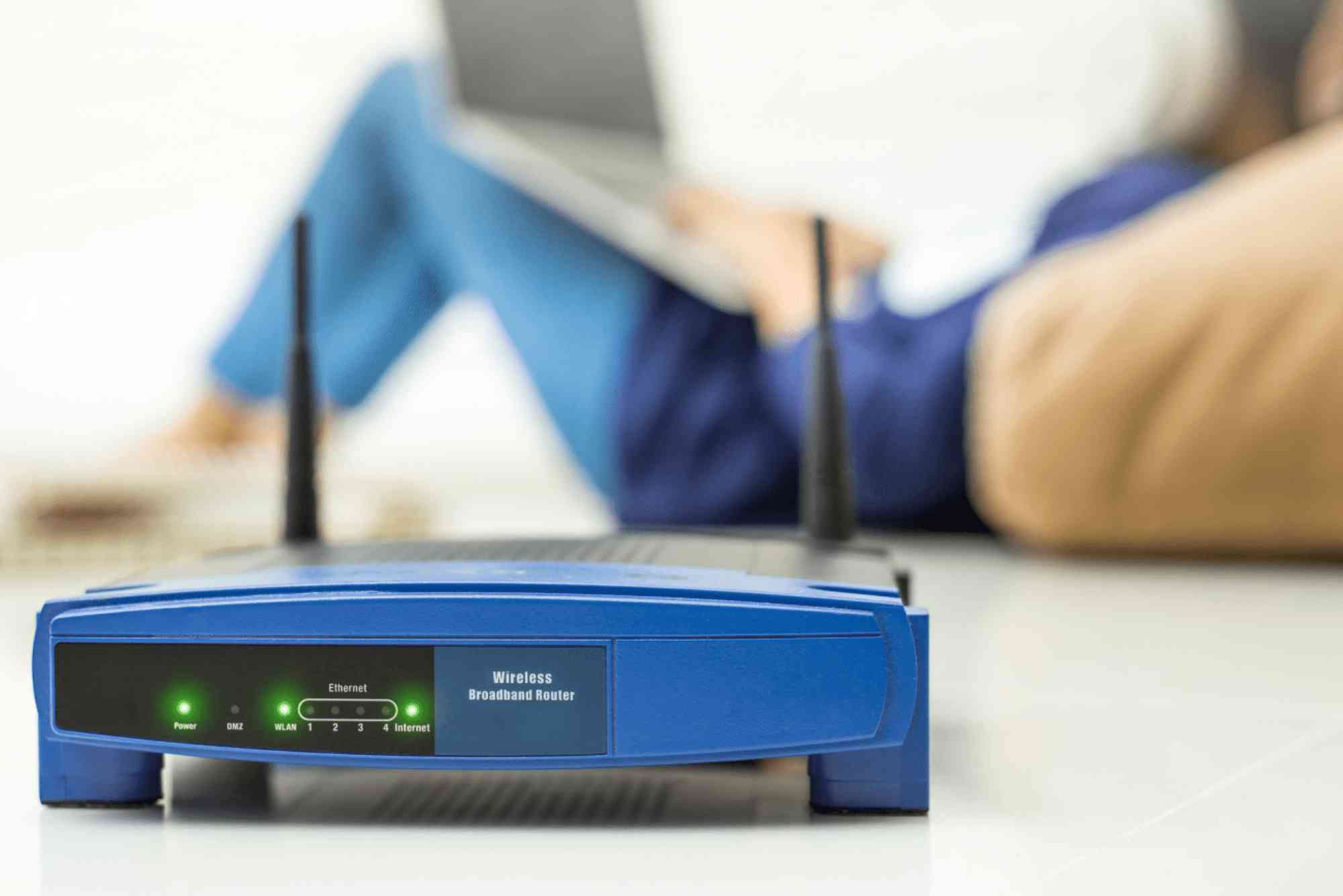
The first step in solving this problem is often the simplest. Restarting your computer, smartphone, or router can clear temporary glitches and refresh the connection. If the issue continues, check your internet connection on another device to confirm whether it’s a device-specific problem or a wider network issue.
When the problem lies with your DNS itself, changing the server usually works. Switching from your provider’s DNS to a public DNS, such as Google DNS or Cloudflare DNS, often restores browsing. On Windows and Mac, you can update DNS settings through your network preferences by entering 8.8.8.8 and 8.8.4.4 as the preferred and alternate addresses.
Sometimes the DNS cache becomes corrupted, causing repeated failures. Clearing this cache forces your device to fetch fresh DNS information. On Windows, this is done through the Command Prompt by typing commands like ipconfig /flushdns, while Mac users can use the Terminal to reset their cache.
Antivirus software and firewalls occasionally interfere with DNS communication. Temporarily disabling them can help determine if they are the cause. If disabling them fixes the issue, you may need to adjust security settings to allow DNS traffic without leaving your device vulnerable.
Drivers and firmware also play a role. An outdated network adapter driver can prevent proper DNS resolution. Updating your drivers through Device Manager on Windows or installing macOS updates often solves the issue. For router-related errors, performing a restart or a factory reset can eliminate deeper configuration conflicts.
If you have tried these steps and the error continues, the problem might be with your internet service provider. Their DNS servers may be temporarily offline, in which case contacting their support team is the best approach. Reliable providers like Dhanote Internet Services often resolve such issues quickly and ensure their customers experience minimal downtime.
Advanced Troubleshooting
For users comfortable with more technical fixes, checking the hosts file on your computer ensures no malicious entries are redirecting traffic. Switching to IPv6 DNS, such as Google’s 2001:4860:4860::8888, can also provide stability if your network supports it. Resetting the TCP/IP stack on Windows with the netsh int ip reset command is another powerful solution when traditional fixes do not work.
Preventing DNS Issues
While it’s possible to fix the error when it appears, prevention is always better. Regularly updating your operating system and router firmware reduces the risk of compatibility issues. Running frequent malware scans ensures your system isn’t compromised by malicious software that tampers with DNS requests. Choosing a reliable internet service provider like Dhanote Internet Services also helps, as dependable providers maintain stable servers and faster response times.
FAQs
Why does my DNS server keep going down?
DNS servers may fail due to temporary ISP outages, router misconfigurations, or incorrect settings. Switching to a public DNS often resolves the issue.
How can I check if my DNS server is working?
One way is to ping a website’s IP address directly. If it loads by IP but not by name, the DNS is the problem.
Is it better to use Google DNS or Cloudflare DNS?
Both are excellent options. Google DNS is popular for reliability, while Cloudflare DNS emphasizes speed and privacy.
Can malware cause DNS errors?
Yes, malware can block or redirect DNS requests. Running a full antivirus scan is essential if you suspect malicious activity.
Although the “No DNS Server Available” error can feel overwhelming, fixing it is usually straightforward. Restarting your devices, changing DNS servers, clearing the cache, updating drivers, and adjusting firewall settings often resolve the issue quickly. For persistent errors, contacting your ISP is the best step.