How to Fix Common Windows Network Diagnostics Errors
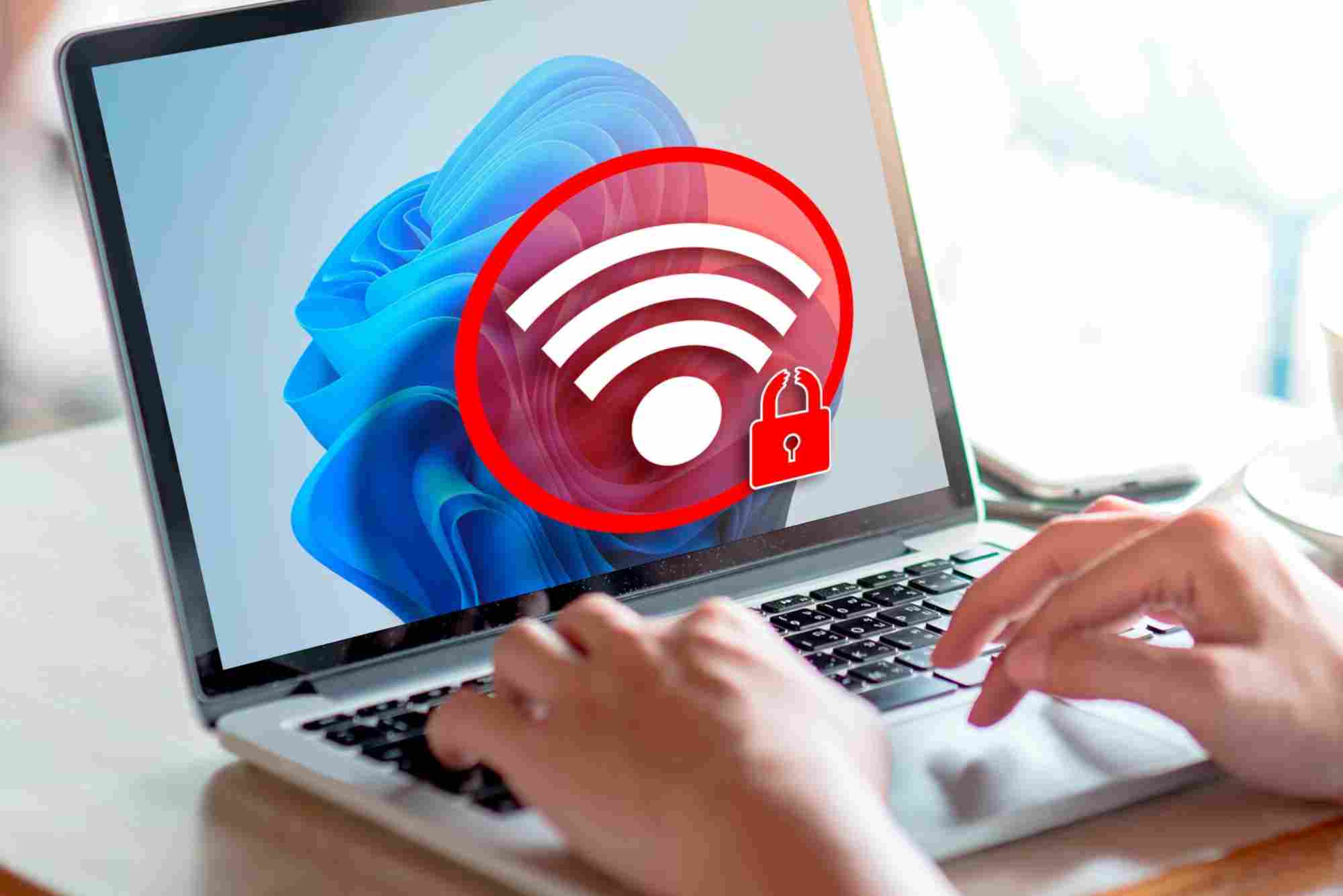
Windows network issues can be frustrating, especially when the built-in diagnostics tool detects errors but doesn’t fix them. Many users encounter problems like limited connectivity, no internet access, or unknown network errors. Understanding how to fix common Windows network diagnostics errors can save you time and help you restore your connection efficiently. This guide walks you through practical, easy-to-follow solutions.
Understanding Windows Network Diagnostics
Before fixing issues, it’s essential to know what Windows Network Diagnostics does. This tool identifies network problems such as:
-
Internet connectivity failures
-
IP configuration issues
-
DNS server problems
-
Limited or no connectivity warnings
While the tool identifies issues, it often cannot automatically fix complex problems. Manual troubleshooting is sometimes required to restore full connectivity.
Common Windows Network Diagnostics Errors
Limited Connectivity
Limited connectivity often occurs when your device connects to a network but cannot access the internet. This usually happens due to incorrect IP settings, router issues, or network interference.
DNS Server Not Responding
The DNS server translates domain names into IP addresses. If the server fails, your browser cannot access websites, triggering an error in network diagnostics.
Network Adapter Errors
Network adapters allow your device to communicate with networks. Errors may occur due to outdated drivers, disabled adapters, or hardware conflicts.
No Internet Access
Even when connected, users may see no internet access errors. This may result from ISP issues, network misconfigurations, or corrupted system files.
How to Fix Common Windows Network Diagnostics Errors
Restart Your Network Devices
Sometimes, the simplest solution works best. Restart your computer, router, and modem. Power cycling clears temporary issues and refreshes the connection.
Check Network Cables and Connections
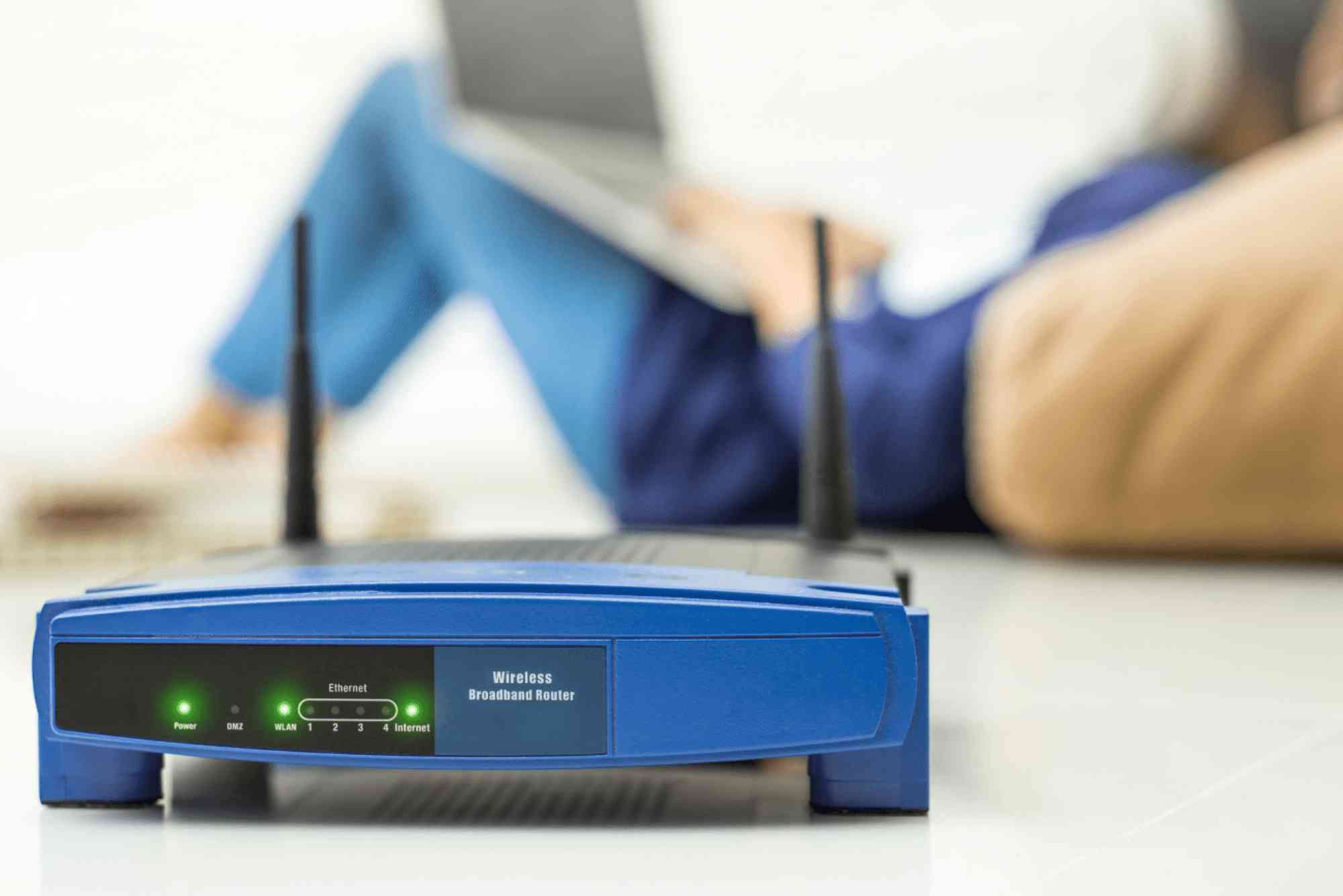
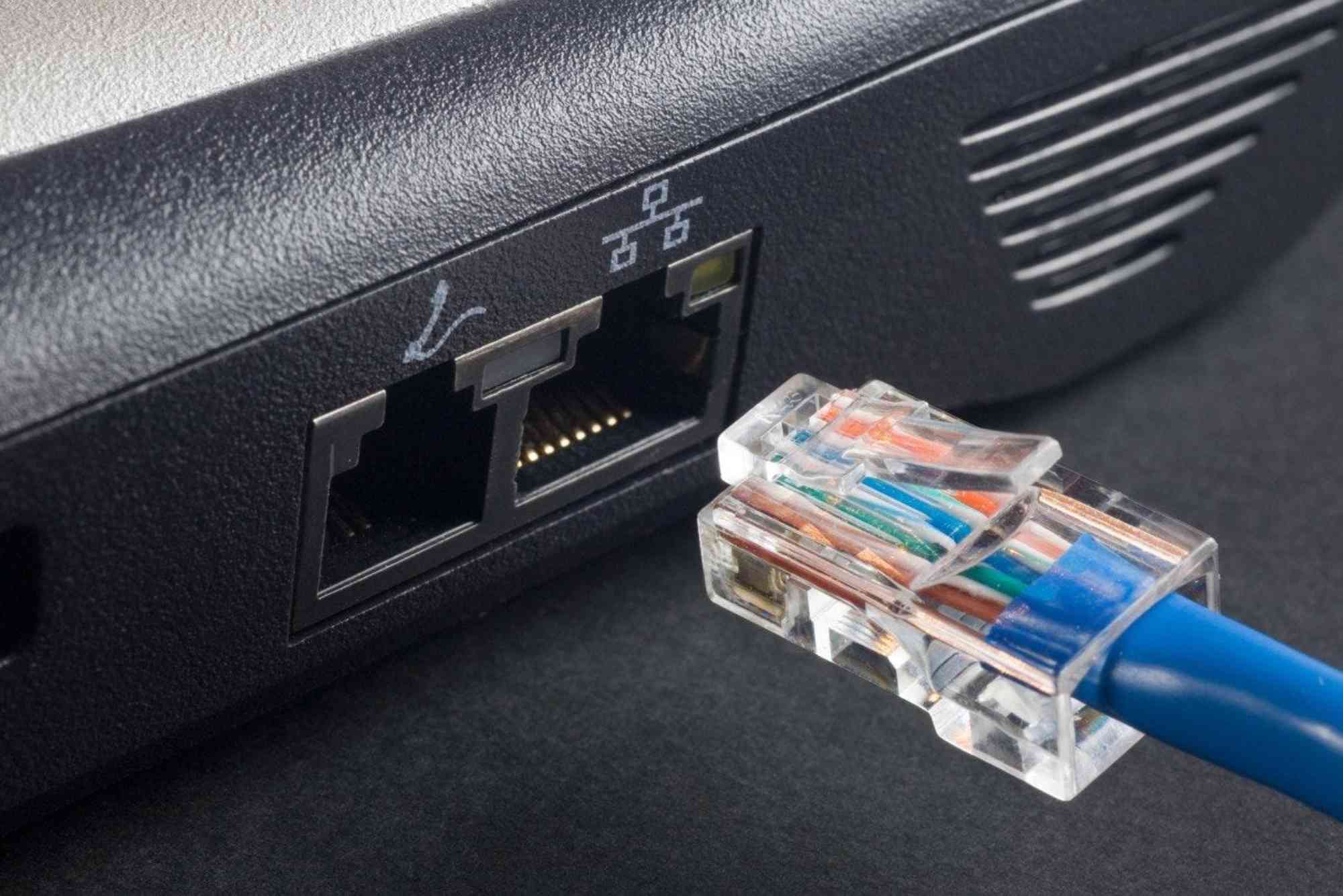
Loose or damaged cables can cause network errors. Ensure all connections are secure. If using Wi-Fi, verify that your router’s antennas are properly positioned.
Use Windows Network Troubleshooter
Windows offers a built-in troubleshooter to diagnose and fix common issues. Go to Settings > Network & Internet > Status > Network Troubleshooter. Follow the prompts to resolve detected errors.
Reset Network Adapter
Resetting the network adapter often resolves configuration issues:
-
Open Control Panel > Network and Sharing Center > Change Adapter Settings
-
Right-click your adapter and select Disable, then Enable
-
Restart your computer
Update Network Drivers
Outdated or corrupted drivers can trigger errors. To update:
-
Press Windows + X > Device Manager
-
Expand Network Adapters > Right-click your adapter > Update Driver
-
Choose Search automatically for updated driver software
Flush DNS and Reset TCP/IP
Incorrect DNS settings or TCP/IP stack corruption can block connections. Use Command Prompt:
-
Press Windows + R > type cmd > Enter
-
Type
ipconfig /flushdnsand press Enter -
Type
netsh int ip resetand press Enter -
Restart your PC
Change DNS Server Settings
Switching to a reliable public DNS server can fix DNS-related errors. Recommended options include Google DNS (8.8.8.8, 8.8.4.4) or Cloudflare DNS (1.1.1.1).
Disable Firewall or Antivirus Temporarily
Firewalls or antivirus software can block network access. Temporarily disable them to check if connectivity is restored. Remember to enable them afterward for security.
Check Router Settings
Router misconfigurations can cause network diagnostics errors. Ensure DHCP is enabled, firmware is up to date, and MAC filtering is off.
Use Safe Mode with Networking
If errors persist, boot into Safe Mode with Networking. This disables non-essential programs and can help isolate software conflicts affecting your network.
Preventing Future Network Errors
Regular Updates
Keep Windows, drivers, and network firmware updated to avoid errors.
Reliable Security Software
Use trusted antivirus and firewall programs, configured to allow essential network traffic.
Monitor Network Health
Regularly check your connection for speed and stability. Tools like ping tests and network monitoring software help detect issues early.
Use Professional Internet Services
If troubleshooting fails, consider expert support. Dhanote Internet Services offers professional assistance to resolve persistent network problems efficiently.
FAQ
Why does Windows Network Diagnostics say “Limited Connectivity”?
Limited connectivity usually indicates your device connects to the router but cannot reach the internet. Restarting devices or resetting the adapter often resolves this.
How do I fix DNS server not responding errors?
Change your DNS server to Google DNS or Cloudflare DNS. You can also flush the DNS cache using Command Prompt.
What should I do if my network adapter is not working?
Update the network driver, disable and re-enable the adapter, or reset the network settings through Control Panel.
Can antivirus software cause network errors?
Yes, overly restrictive firewall or antivirus settings can block internet access. Temporarily disable them to test connectivity.
How can I permanently prevent Windows network errors?
Keep all software updated, use reliable network equipment, and monitor your network regularly. Professional services can help maintain stability.
Fixing common Windows network diagnostics errors is often straightforward if you follow the right steps. From resetting your adapter to updating drivers and adjusting DNS settings, these solutions address the most frequent network issues. If problems persist, professional support from Dhanote Internet Services ensures your connection is restored quickly.
Take control of your network today and enjoy uninterrupted internet by applying these fixes and maintaining a healthy connection.